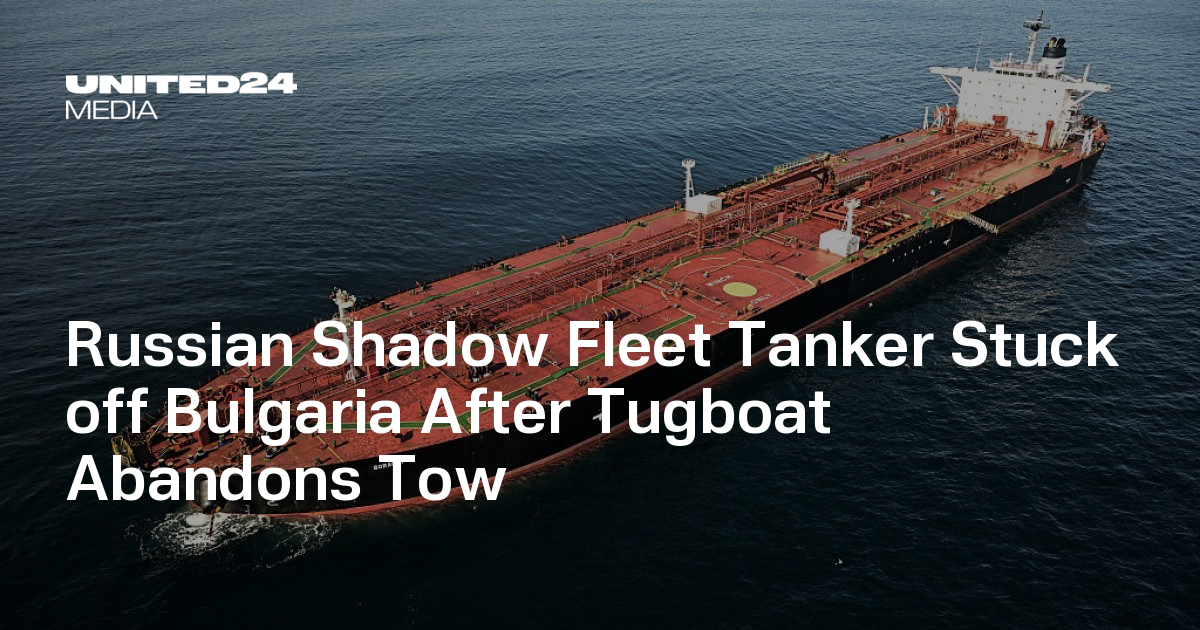
The tanker Kairos, linked by monitoring groups to Russia’s sanctioned "shadow fleet," is stranded about 700–800 meters off Ahtopol, Bulgaria after a Turkish tugboat abandoned the tow; the crew of ten is safe and the empty vessel poses no immediate environmental threat. Stormy seas are preventing boarding, Bulgarian authorities are monitoring the ship with radar and thermal cameras, and officials expect a tow to a safe harbor (potentially Burgas Bay) once weather and ministerial authorization allow. The incident highlights ongoing enforcement and diplomatic frictions around vessels used to evade Western oil sanctions and follows separate reports of maritime drone strikes on other sanctioned tankers, though immediate market impact on oil or shipping markets appears limited.
Market structure: The incident is a micro shock to Black Sea tanker operations that increases frictions for sanctioned/aging “shadow fleet” capacity while leaving global crude supply largely intact (Kairos reported empty). Expect a modest, transient tightening in spot dirty tanker freight (BDTI/TD7) of 5–20% if similar incidents recur over weeks, benefitting modern tanker owners and salvage/tow operators while penalizing insurers and vessels operating off-the-radar. Pricing power shifts toward compliant, modern tonnage and owners with insurance cover and NATO-adjacent port access over the next 1–6 months.
Risk assessment: Tail risks include a low-probability (<10% over 3 months) escalation that closes portions of the Black Sea shipping lanes, producing a crude premium shock of >$5/bbl and a >10% surge in tanker rates; financial contagion to EM credit (RUB, regional banks) and marine insurers is plausible. Key hidden dependencies: insurance exclusions for sanctioned vessels, flag/beneficial ownership opacity, and port-authority political decisions; catalysts are Ukraine SBU operations, Turkish tow policy changes, and Bulgaria’s Council of Ministers rulings within 30–60 days.
Trade implications: Tactical plays favor long exposure to modern tanker owners (EURN, DHT, FRO) sized 1–3% each for upside if BDTI rises 10–30% in 1–3 months, and a 2–4% tactical long in XLE (or Brent futures) via 3-month call spreads to capture a $1–4/bbl geopolitical kink. Short candidates: marine insurers/reinsurers and regional EM FX (RUB) via FX forwards if incidents cluster; use protective stops at 6–8% adverse move and take-profits at target moves above.
Contrarian angles: The consensus understates upside for modern tanker owners and salvage/service providers and overstates immediate global oil-supply impact. Historical parallels (2019 Strait incidents) show initial risk premia fade in 6–12 weeks absent broader chokepoint closures, so avoid large directional bets unless Brent >$95 or BDTI sustains +20% for 2 weeks. Unintended consequence: tougher enforcement may accelerate scrapping of aging tankers, structurally tightening available crude tanker capacity over 12–24 months, supporting a multi-quarter bullish thesis for modern fleet owners.
AI-powered research, real-time alerts, and portfolio analytics for institutional investors.
Request DemoOverall Sentiment
neutral
Sentiment Score
-0.10
