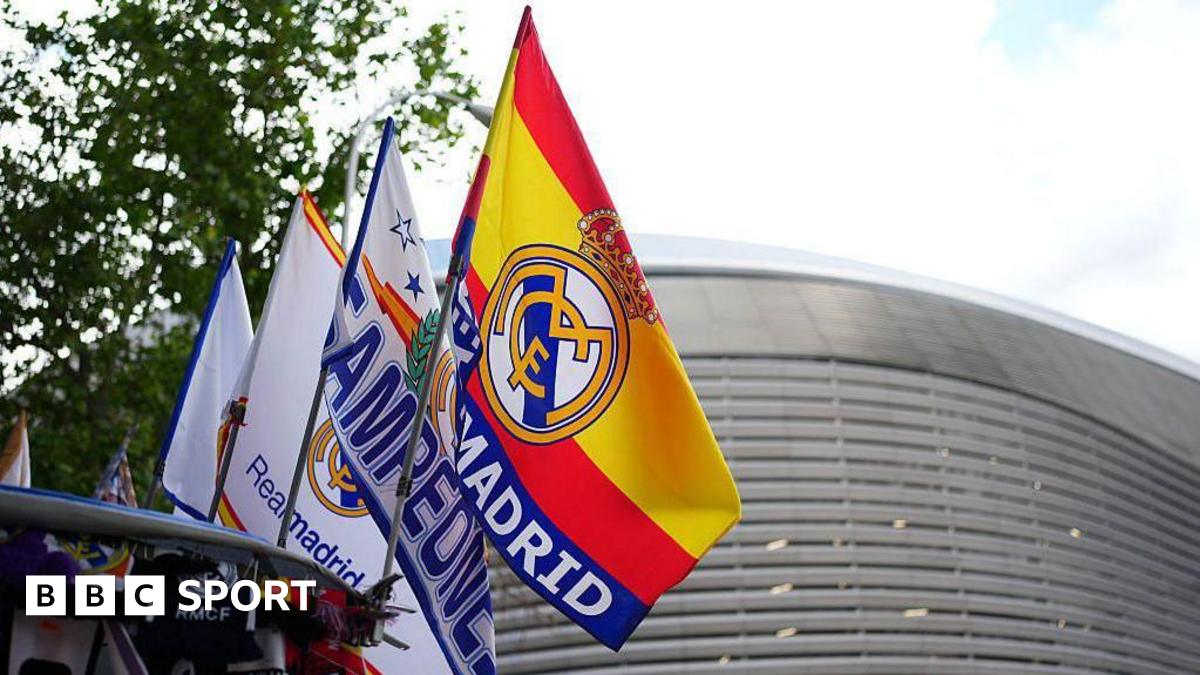
UEFA, the European Football Clubs (EFC) and Real Madrid have reached an agreement of principles to resolve their legal disputes stemming from the failed 2021 European Super League project, aiming to respect sporting merit and enhance long‑term club sustainability and fan experience. The move follows a Provincial Court of Madrid ruling in October 2025 that found UEFA, the RFEF and La Liga had acted anti‑competitively and a 2023 ECJ judgment that bans on a Super League were unlawful; Real Madrid had sought substantial damages after those rulings. The agreement, once executed, will settle the litigation risk that has lingered over elite European clubs and governing bodies, though specific financial terms and whether Real remain formally signed to the Super League concept were not disclosed.
Market structure: Settlement reduces a major legal overhang and preserves UEFA-led rights frameworks, benefiting incumbents that monetize pan‑European competitions (broadcasters, streaming platforms, sponsors). Expect incremental stability in TV rights pricing vs. a 2021-style breakaway; price discovery resumes with less risk premium—we model a 5–12% compression in implied volatility for major rights auctions over 6–12 months. Clubs that sought guaranteed ESL rents (elite clubs) lose optionality; collective bargaining power for leagues is strengthened.
Risk assessment: Tail risks include a renewed breakaway if a future ECJ/Spanish court decision materially changes antitrust exposure or if six-to-eight wealthy clubs rebalance cash guarantees—low probability but high impact (€200m+ yearly flows). Immediate (days): legal headlines volatility; short-term (weeks/months): rights negotiation headlines and sponsor renewals; long-term (quarters/years): structural revenue sharing and fan‑tech monetization. Hidden dependencies: sponsor renewals and broadcaster capex cycles; fan sentiment can still force renegotiations.
Trade implications: Directly favor media rights monetizers (Comcast CMCSA, Disney DIS) and fan‑engagement data providers (Sportradar SRAD) with 3–12 month horizons; be cautious on publicly listed clubs (MANU) whose equity still carries reputational/regulatory tail risk—prefer hedged exposure. Options: buy 3–6 month call spreads on CMCSA/DIS to capture upside from stable renewals and sell out‑of‑the‑money (OTM) puts for yield; buy protective puts or put spreads on MANU to limit downside.
Contrarian angle: Consensus treats settlement as final; risk/reward favors buying niche fan‑tech and data players (SRAD) priced for slow growth—they benefit from UEFA’s stated tech emphasis. The market may underprice the eventual marginal uplift to rights fees from a unified, fan‑tech enabled product: a 10–20% revenue upside is plausible for rights holders over 24 months if UEFA incorporates technology into monetization. Watch for second‑order effects: betting operators and sponsors could capture higher ARPU from improved fan data.
AI-powered research, real-time alerts, and portfolio analytics for institutional investors.
Request DemoOverall Sentiment
mildly positive
Sentiment Score
0.25
Ticker Sentiment
