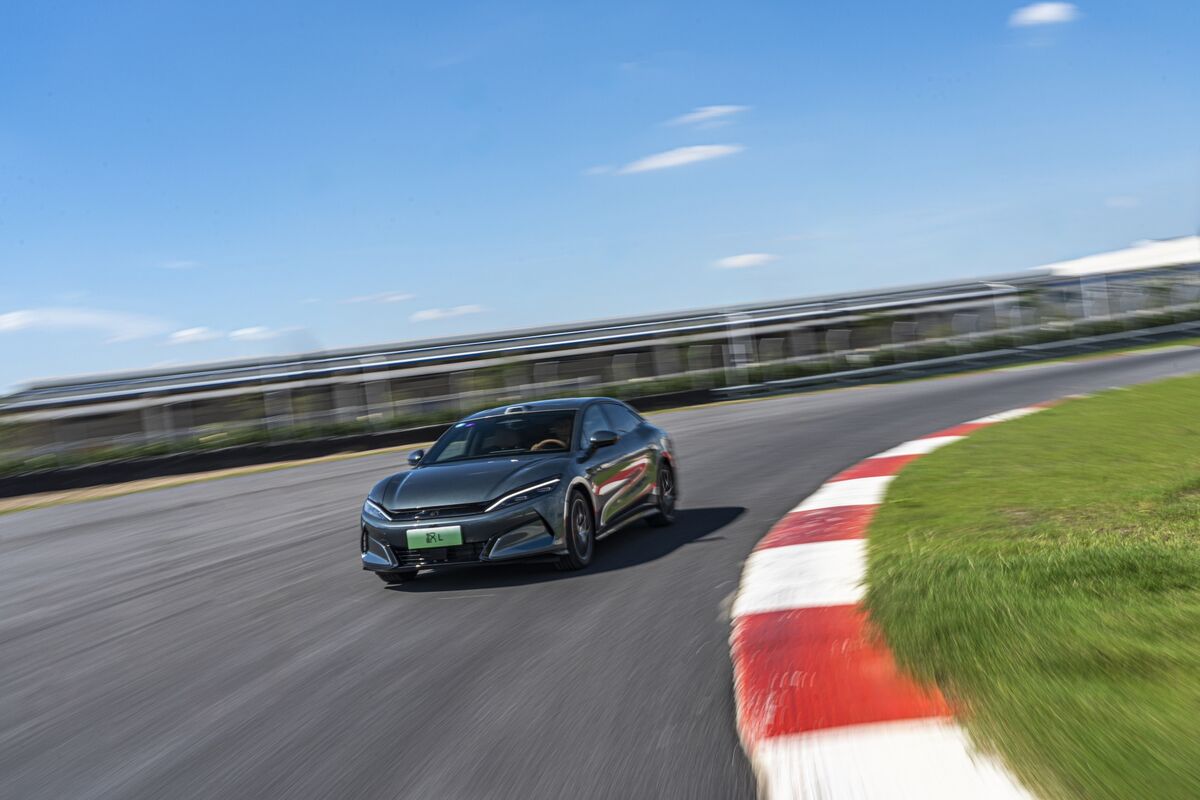
BYD Co. is currently defined as the world's largest electric vehicle manufacturer, primarily recognized for its mass-market strategy, high-volume production, and affordability. Its vehicles are a common sight in China, particularly favored by taxi and ride-hailing services, highlighting its significant penetration in the accessible EV segment.
BYD Co. has solidified its position as the world's largest electric vehicle manufacturer by volume, building its brand primarily on mass-market appeal and affordability. The company's significant penetration into the Chinese domestic market is evidenced by the widespread use of its vehicles in commercial fleets, particularly for city taxi and ride-hailing services. This has cultivated a strong, but potentially limiting, brand perception centered on utility and accessibility, as captured by the popular quip that BYD stands for 'Be Your Driver.' While this high-volume strategy has secured market leadership, the headline's reference to a strategic shift suggests the company recognizes the need to evolve its image, likely towards higher-margin or performance-oriented segments to sustain future growth and enhance brand value.
AI-powered research, real-time alerts, and portfolio analytics for institutional investors.
Request DemoOverall Sentiment
mildly positive
Sentiment Score
0.30
