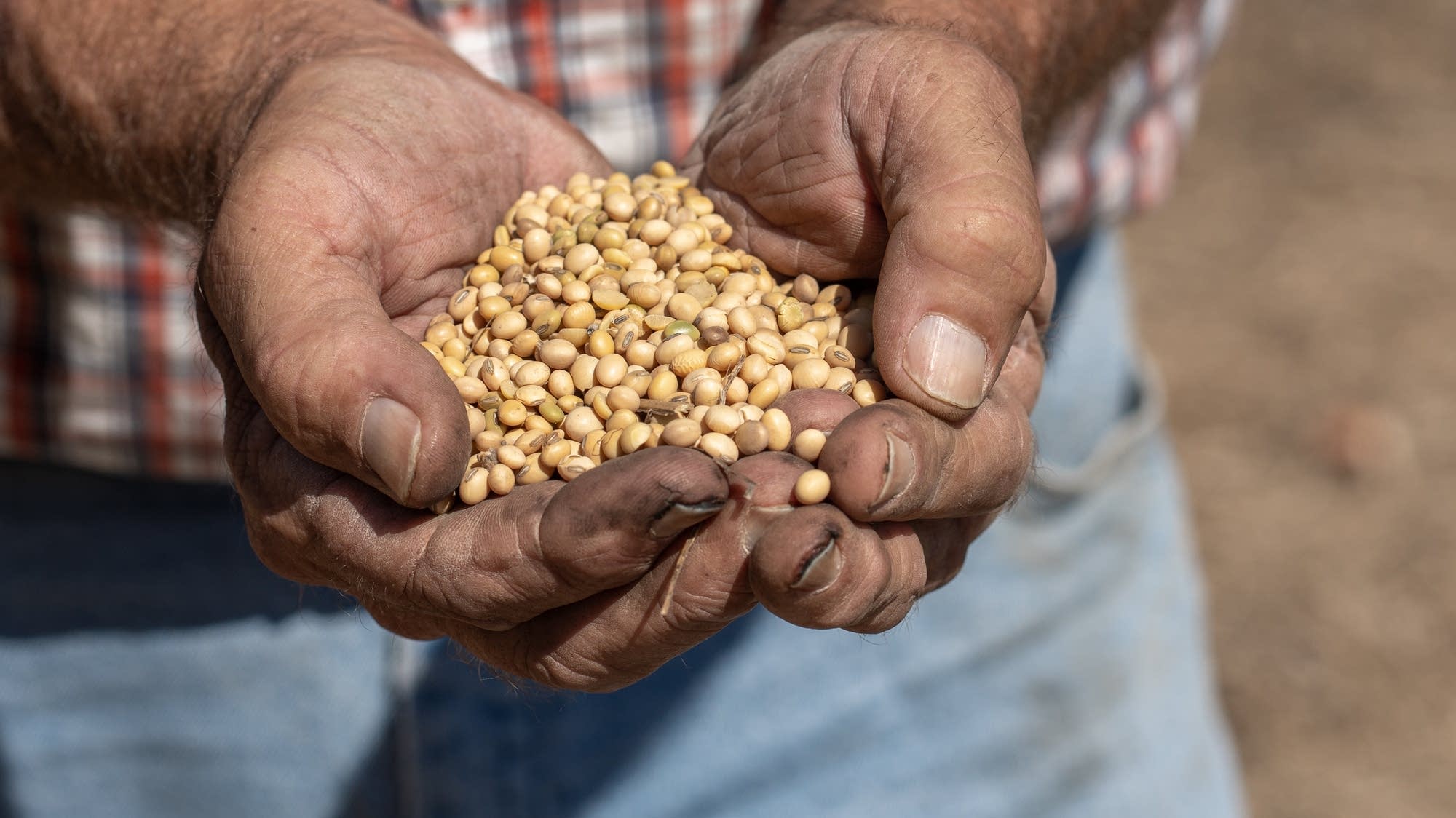
The USDA announced a $12 billion aid package for farmers; the article provides a concise guide to the program’s key details and its implications for the agricultural sector and market participants.
The USDA announced a $12 billion aid package for farmers, and the article serves as a concise guide to the program's key details and implications for the agricultural sector. The coverage emphasizes the scale of the fiscal intervention and frames it as targeted support intended to buttress farm incomes and agri-sector liquidity without naming specific program allocations in the excerpt provided.
Market signals in the supplied metadata show a moderately positive sentiment score of 0.4 and a market impact score of 0.35, indicating investors may view the announcement as constructive but not market-disruptive. Thematic classification points to Fiscal Policy & Budget and Commodities & Raw Materials, suggesting the aid is likely to influence commodity price dynamics, countercyclical farm cash flows, and short-term risk premia in agricultural markets.
Key uncertainties remain around implementation timing, allocation across commodities and regions, and potential fiscal scrutiny; those execution details will determine which crop groups and supply chains see the greatest benefit. Execution risk and uneven regional impacts create idiosyncratic opportunities and tail risks for producers, agri-input suppliers, and commodity traders until USDA releases distribution schedules and eligibility rules.
AI-powered research, real-time alerts, and portfolio analytics for institutional investors.
Request DemoOverall Sentiment
moderately positive
Sentiment Score
0.40
