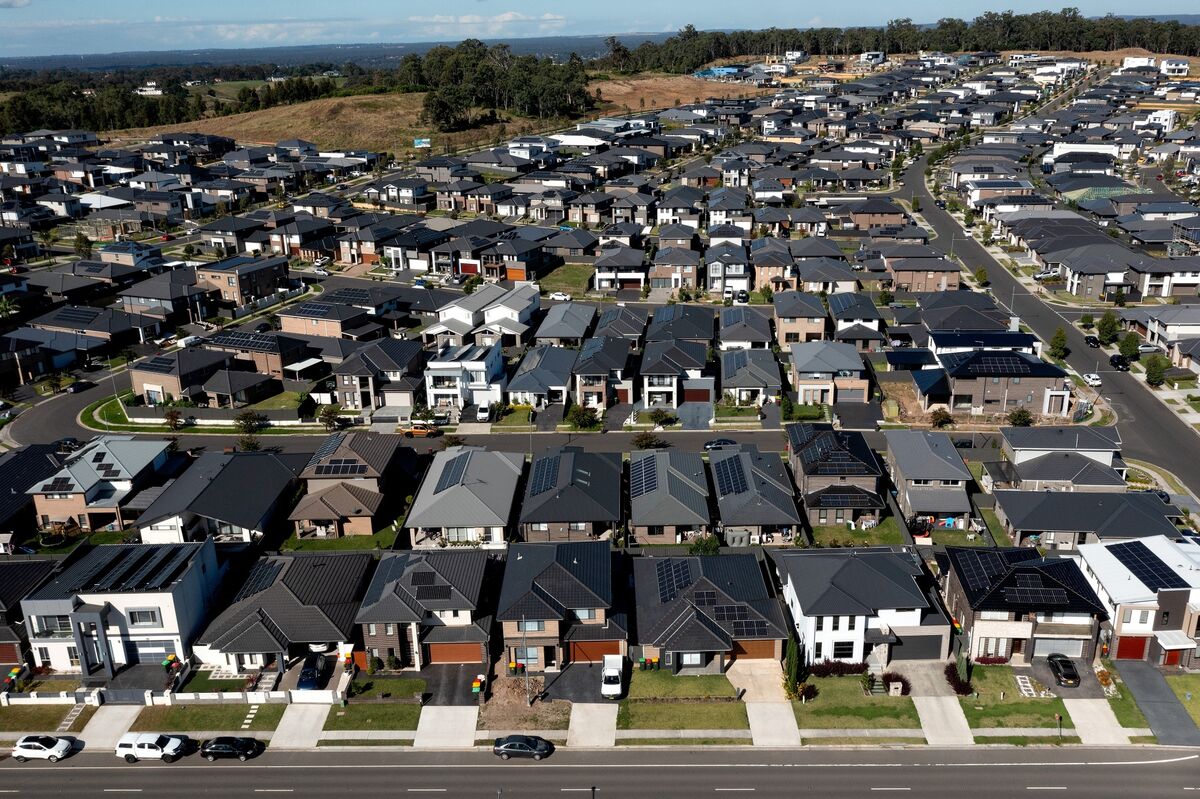
Australian home prices climbed for a fifth consecutive month in June, with the Home Value Index advancing 0.6%, primarily driven by the Reserve Bank's two interest rate cuts this year and anticipation of further easing. Property consultancy Cotality reported gains across all major mainland cities, including Sydney up 0.6% and Melbourne 0.5%. This sustained momentum underscores the housing market's strong responsiveness to accommodative monetary policy.
The Australian housing market is demonstrating a robust and sustained recovery, with the Home Value Index advancing for a fifth consecutive month, rising 0.6% in June. This growth is broad-based, with every major mainland city posting gains, including a 0.6% increase in the bellwether Sydney market and a 0.5% rise in Melbourne. The primary catalyst for this appreciation is a direct response to the Reserve Bank's accommodative monetary policy, specifically two interest rate cuts this year. Furthermore, the market's momentum is amplified by forward-looking expectations of additional rate reductions, which is clearly fueling demand and supporting asset prices, as evidenced by the strong performance in markets like Darwin (+1.5%) and Canberra (+0.9%). The data underscores the high sensitivity of the real estate sector to borrowing costs and the effectiveness of current monetary stimulus.
AI-powered research, real-time alerts, and portfolio analytics for institutional investors.
Request DemoOverall Sentiment
strongly positive
Sentiment Score
0.75
