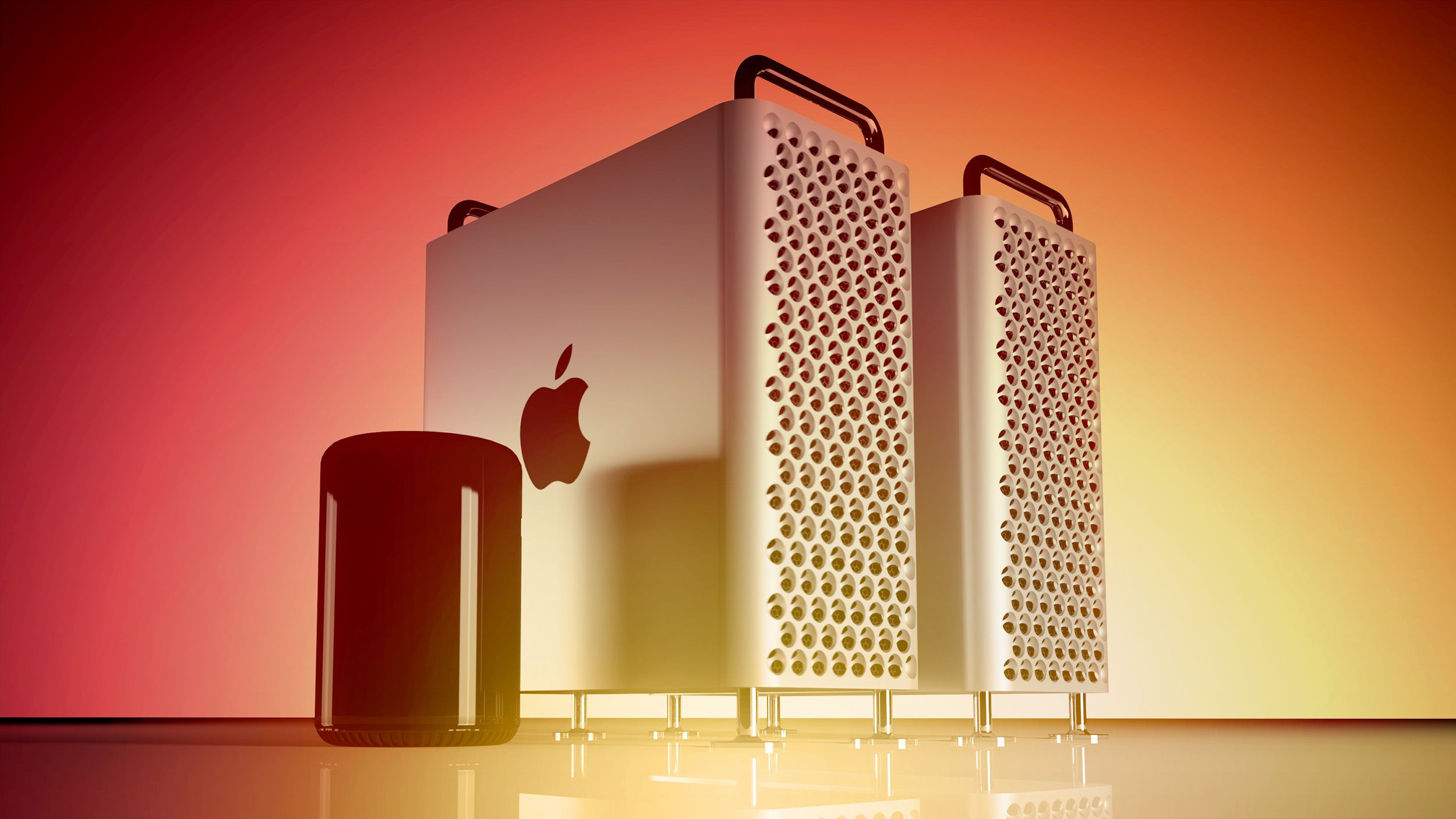
Apple has discontinued the Mac Pro this week, ending a nearly 20-year product line and removing new configurations after the last M2 Ultra model (2023) which started at $6,999 (the prior Intel-based model started at $5,999 in 2019). The Mac Pro was Apple’s final transition to Apple silicon and had become functionally redundant for many users due to the smaller-but-powerful Mac Studio (noted as “thousands of dollars” cheaper), with PCIe expansion remaining the primary differentiator. For investors, this is a strategic product consolidation with limited near-term revenue impact on Apple’s scale, but it signals shifting product priorities in pro hardware and warrants monitoring of ASPs and pro-segment demand.
Apple's formal exit from the high‑end tower workstation segment is less a product story than a platform reallocation: corporate R&D and supply‑chain volumes that supported low‑growth, high‑cost SKUs will be absorbed elsewhere in Apple's line or shed, improving unit economics on remaining Macs over 6–18 months. That reallocation has asymmetric effects down the stack — component demand for discrete pro GPUs, PCIe expansion chassis, and specialized accelerator cards will fall, while demand for higher‑margin integrated systems and Thunderbolt/USB‑C peripherals will concentrate on a smaller set of SKUs.
For semiconductor vendors, this is a re‑segmentation event. AMD stands to capture share in the Windows workstation replacement cycle (CPUs and workstation GPUs) where expansion/PCIe matters, while NVIDIA can pick up incremental GPU compute workloads as former pro users migrate to Windows or cloud‑based render farms. Intel faces both immediate TAM loss in a premium vertical and a longer drag on server/workstation platform ASPs if OEMs recalibrate designs toward AMD or Apple silicon equivalents.
Timing matters: expect visible revenue shifts in supplier Qs within 2–4 quarters as OEM order books and channel inventories normalize; component suppliers will show the clearest signals before end demand. Reversal risks include an Apple strategic U‑turn (reintroducing a modular pro SKU) or a rapid enterprise pivot to cloud‑rendering which would mute discrete hardware demand; both are 6–24 month tail scenarios that would materially change the payoffs described below.
AI-powered research, real-time alerts, and portfolio analytics for institutional investors.
Request DemoOverall Sentiment
mildly negative
Sentiment Score
-0.15
Ticker Sentiment
