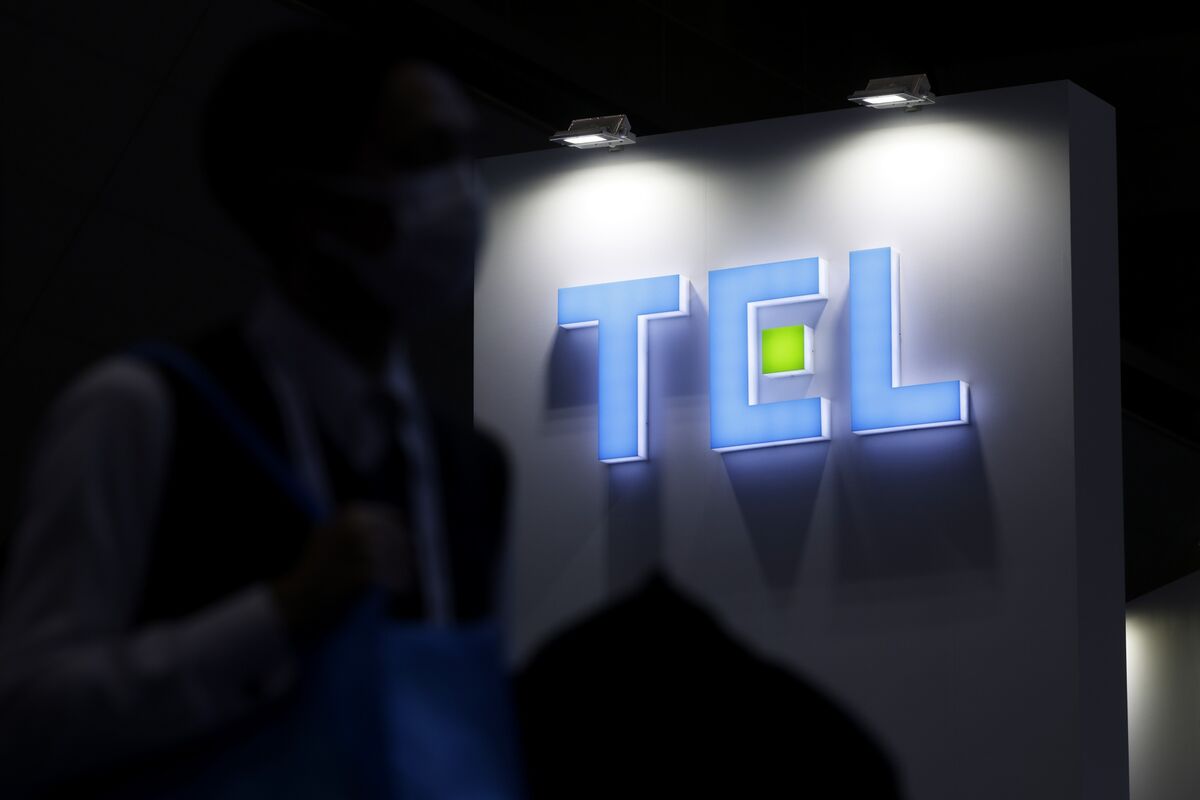
Taiwanese prosecutors have indicted Tokyo Electron Ltd. for failing to prevent staff from allegedly stealing trade secrets from Taiwan Semiconductor Manufacturing Co., charging the Japanese firm under business-secret and national-security laws and seeking a court-imposed fine. The case heightens legal and reputational risk for a major equipment supplier and underscores potential national-security and supply-chain implications for the Asian semiconductor ecosystem.
Market structure: The indictment makes Tokyo Electron (TEL) an immediate loser (reputational, potential fines, order risk) while raising the prospect of near-term reallocation of tool orders to rivals (ASML, AMAT, LRCX). Expect 5–15% directional moves in affected equipment names in days and a 10–30% rise in implied volatility for TEL/related names as legal uncertainty is priced; TSMC (TSM) faces modest headline risk but its moat may strengthen as customers pay premiums for secure supply.
Risk assessment: Tail risks include a significant fine or export/blacklist action against TEL that delays fab tool deliveries by 1–2 quarters or forces supplier diversification (high impact, low prob). Near-term (days–weeks) volatility and investor flight; medium-term (3–12 months) legal rulings and TSMC disclosures; long-term (1–3 years) structural supplier reshuffling and higher security-related capex across fabs. Hidden dependency: heavy reliance on third-party engineers on customer sites creates repeatable operational leakage risk across the industry.
Trade implications: Defensive short exposure to TEL (or Japan equipment basket) and asymmetric long exposure to non-Japanese leaders (ASML, AMAT) is logical: reallocations should favor vendors with cleaner governance or unique IP. TSM (TSM) is a tactical buy-on-weakness for investors focused on secular node leadership but hedge with 3-month 5% OTM puts sized to 0.5–1% of portfolio. Catalysts: court filings and TSMC commentary in the next 30–90 days will reprice risk.
Contrarian angles: Consensus may over-penalize TSM; a measured sell-off (7–12%) could be a buying opportunity because TSMC’s foundry dominance isn’t easily replicated. Conversely, markets may underprice the operational disruption to fab ramps if equipment supply shifts — meaning winners like ASML could command higher ASPs and margins longer than currently forecasted. Historical IP disputes led to supplier consolidation and pricing power; similar dynamics could boost incumbents' EBITDA by several percentage points over 12–24 months.
AI-powered research, real-time alerts, and portfolio analytics for institutional investors.
Request DemoOverall Sentiment
moderately negative
Sentiment Score
-0.45
Ticker Sentiment
