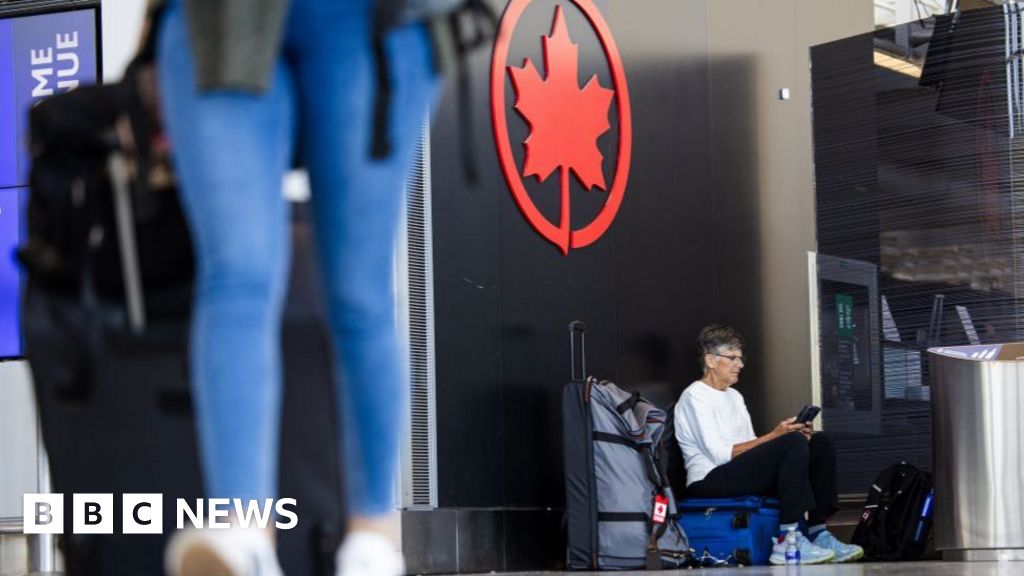
Air Canada has reached a tentative pay agreement with the Canadian Union of Public Employees (CUPE), representing its flight attendants, effectively ending a strike that had grounded flights and stranded thousands of passengers since Saturday. While the specific terms of the deal remain undisclosed pending ratification by union members, Air Canada had previously offered a 38% increase in total compensation over four years. Flights are slated to resume Tuesday, though the airline anticipates it will take several days to restore full service due to operational repositioning.
The tentative agreement between Air Canada and the Canadian Union of Public Employees (CUPE) resolves a significant operational disruption that had grounded flights and negatively impacted revenue since Saturday. While the resumption of service is a clear short-term positive, the airline has indicated a full return to normal operations will take several days, suggesting continued, albeit diminishing, logistical costs and revenue displacement. The central uncertainty for investors lies in the undisclosed terms of the new labor deal. The union's public rejection of Air Canada's prior offer—a 38% total compensation increase over four years—on the grounds that it was 'below inflation' and 'below market value' strongly implies the final ratified agreement will result in a materially higher labor cost structure than the company had publicly proposed. This outcome, achieved via government-appointed mediation, highlights the persistent wage pressures and labor relations risks inherent in the airline industry, which will be a critical factor in reassessing Air Canada's future operating margins and profitability.
AI-powered research, real-time alerts, and portfolio analytics for institutional investors.
Overall Sentiment
moderately positive
Sentiment Score
0.45
