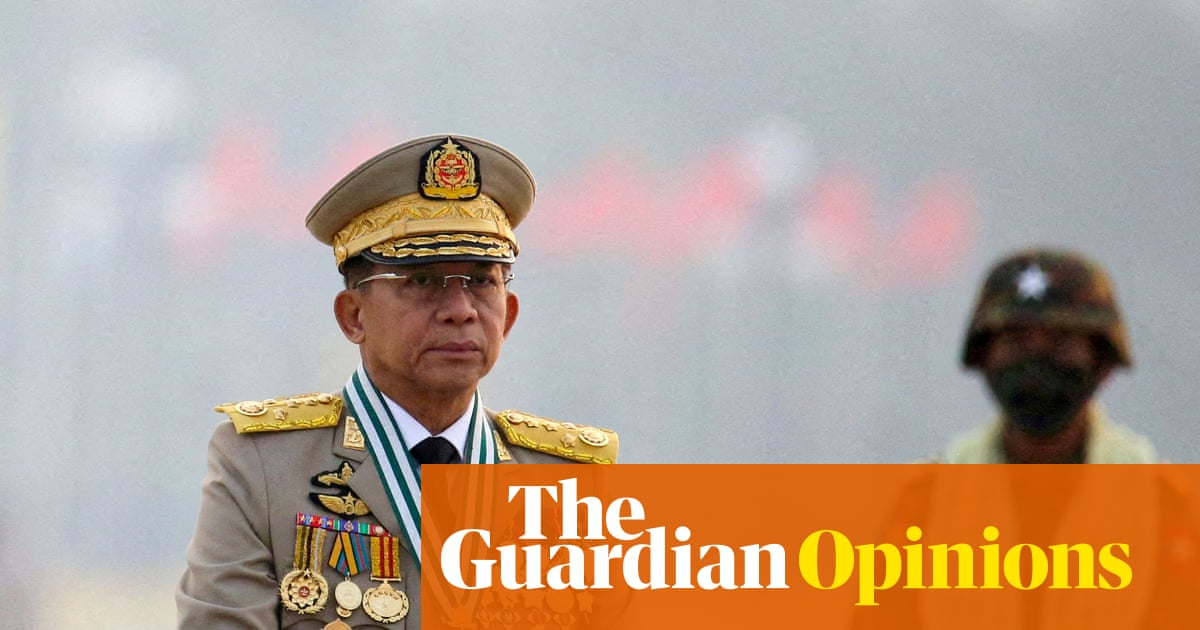
Key numbers: conflict-monitoring group Acled estimates ~93,000 killed since 2021 and the UN reports 3.6 million displaced. The junta appears set to install Min Aung Hlaing as president after boycotted, geographically limited elections, while continuing large-scale abuses and intensified drone attacks aided by foreign support. For portfolios, this raises elevated country and regional risk — expect sustained sanctions, potential trade/border disruption, increased humanitarian aid needs, and heightened political risk premia for Myanmar-exposed assets.
China’s de facto alignment with the outgoing military apparatus is a structural shift that reduces Western leverage and accelerates Beijing’s ability to secure overland energy and mineral routes. Expect longer-term commercial contracts, informal trade corridors and state-backed M&A to substitute for formal diplomatic legitimacy; that will lock in Chinese upstream energy and mining players and make targeted sanctions less immediately effective unless they choke secondary markets.
Operationally, the rapid import of battlefield techniques (notably inexpensive ISR and loitering-munition tactics) creates a durable demand shock for short‑cycle air‑defense, counter‑UAV and EW kit across Southeast Asia; procurement cycles are 6–24 months but orders could come sooner if a high‑profile strike hits a regional capital or commercial shipping lane. This also raises aftermarket opportunities for grey‑market components and intermediaries — a regulatory enforcement gap that can be targeted by sanctions enforcement teams.
Sanctions and international legal action will exert a persistent drag on formal investment flows and raise insurance/reinsurance premia for regional shipping and commodities moving through informal routes; expect frontier‑EM risk premia to widen in days–weeks on headline actions and for asset freezes to compound losses over months–years. A credible reversal requires either a sustained battlefield collapse of the ruling military or a coordinated, enforceable multilateral sanctions-and-remediation package that shuts down secondary markets — both low‑probability but high‑impact.
Contrarian: markets may be underpricing China’s incentive to normalize relations quickly — Beijing prefers stability on its border and may trade economic access for security guarantees, muting long‑term isolation. Conversely, the market may overestimate sanctions’ near‑term potency if enforcement does not close shadow finance channels; the real inflection will be visible only when secondary‑market flows are demonstrably cut off.
AI-powered research, real-time alerts, and portfolio analytics for institutional investors.
Request DemoOverall Sentiment
strongly negative
Sentiment Score
-0.80
