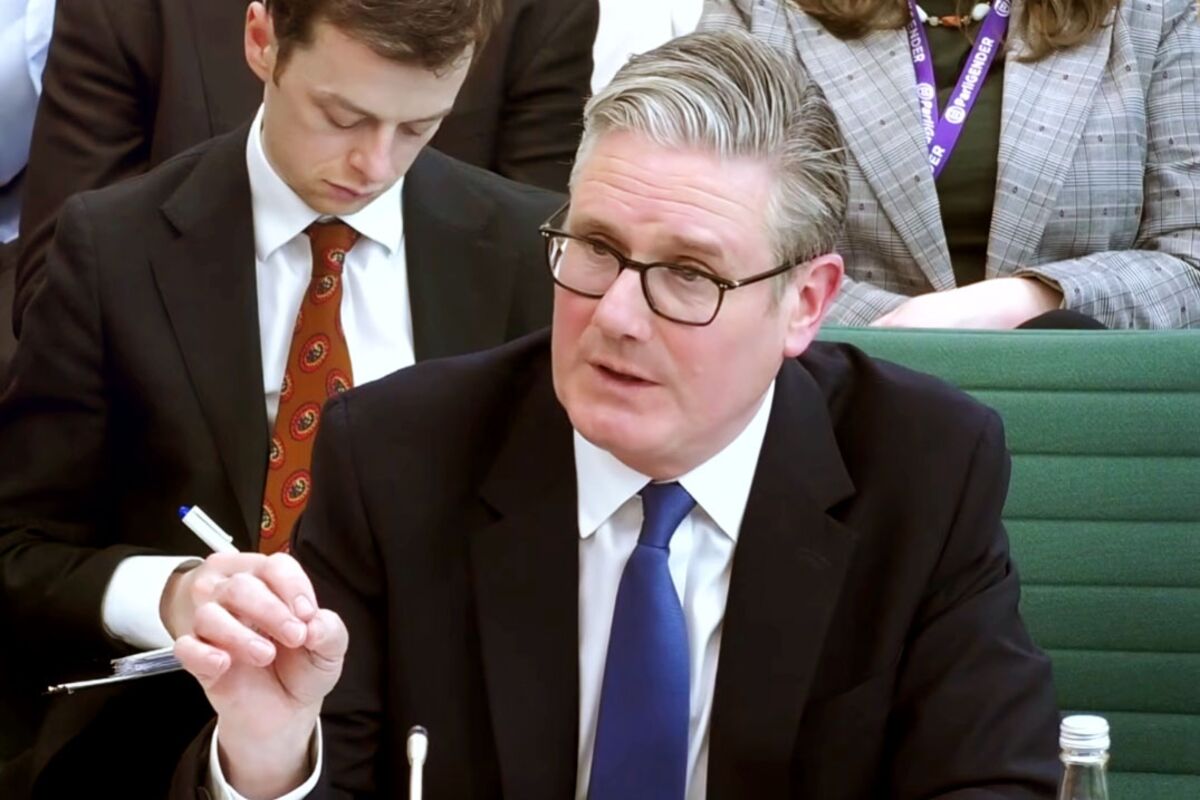
Keir Starmer will chair an emergency Cobra meeting on the economic impact of the Iran crisis, convening Bank of England Governor Andrew Bailey, Chancellor Rachel Reeves and Energy Secretary Ed Miliband. The government is exploring wider measures to support the UK economy, signalling potential fiscal or regulatory interventions that could influence energy prices, inflationary pressures and sterling volatility.
The government coordinating BoE, Treasury and energy teams raises the probability of near-term targeted fiscal interventions (energy subsidies, transport/logistics relief, export credit support) that will be front-loaded and discrete rather than broad-based. Those actions reduce immediate consumer pain but mechanically widen public sector net borrowing by a few percent of GDP if maintained beyond 3-6 months, creating a two-way market: short-term support for demand but medium-term pressure on gilts and sterling if markets price a sustained fiscal loosening.
Energy-price risk remains the dominant transmission channel: a sustained 10-20% shock to Brent over the next 1-3 months will pass through to UK CPI within 2 quarters and add roughly 0.3-0.6% to headline inflation per 10% oil move via transport and producer input costs. That inflation impulse increases the chance the BoE stays on hold longer or moves to a less-dovish forward guidance stance, which steepens the real-yield curve and raises volatility in fixed income and rates-sensitive equities.
Second-order winners are large-cap exporters and commodity-linked constituents of the FTSE 100 (natural hedges from foreign-currency revenues) and non-energy insurers who can reprice risk; losers are domestically exposed small/mid caps, regional banks with commercial property exposure, and airlines/logistics firms facing fuel-cost and insurance increases. Operationally, shipping and trade corridors using Red Sea routes will see insurance surcharges and schedule volatility for at least several months, benefiting carriers with diversified route networks and freight-forwarders with capacity control.
Tail risks include a rapid escalation leading to choke-point insurance blowouts (days-weeks) that spike freight rates 2-4x, or conversely a swift diplomatic resolution within 30-90 days that collapses risk premia and reverses commodity spikes. The path dependency is critical: policy responses that are perceived as permanent fiscal loosening are more damaging to gilts/sterling than one-off targeted relief.
AI-powered research, real-time alerts, and portfolio analytics for institutional investors.
Request DemoOverall Sentiment
neutral
Sentiment Score
0.00
