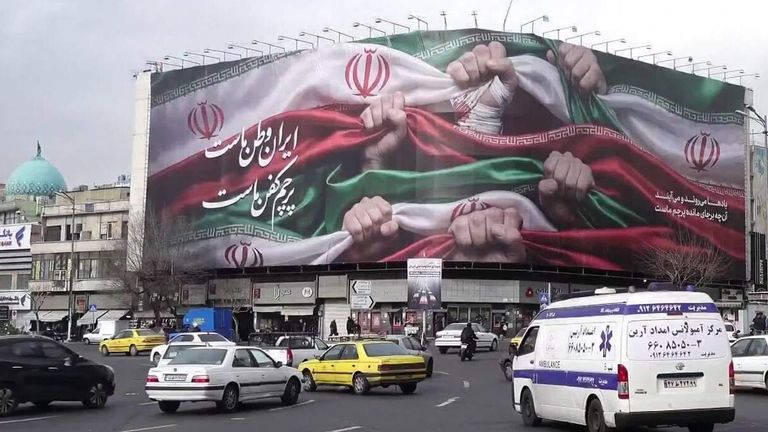
Iranian security forces have violently suppressed nationwide protests amid an internet blackout (largely 8-27 Jan), with credible reports that hospitals were raided, medical staff arrested and some patients killed while receiving care. Official figures cite 3,117 dead, while human-rights groups and physician networks report far higher tolls (HRANA 6,301 verified plus 17,091 cases under review, possible total >23,000; independent physician counts estimate 20,000–30,000 or ~25,654 through 23 Jan with 8,354 in Tehran). The targeting of medical facilities and arrests of clinicians — including reports that one detained doctor faces execution — raise material geopolitical and operational risks for regional stability and information transparency, with potential spillovers to energy/EM risk premia and due diligence on Iran exposure.
Market Structure: Near-term winners are defense and security vendors (aerospace & defense ETF ITA, cybersecurity names) alongside safe-haven assets (gold GLD, USD via UUP) if Iran unrest escalates; losers are Iran-exposed emerging-market debt/equities (EMB, EEM) and regional travel/airlines (JETS) due to higher risk premia and travel disruptions. Expect a tactical re-pricing: a sustained escalation could add a $5–$15/bbl risk premium to Brent within 2–8 weeks, shifting CAPEX and insurance costs for global shipping and energy firms.
Risk Assessment: Tail risks include a kinetic regional conflict or US/Israel strike that spikes oil >20% in 1–4 weeks and triggers EM sovereign defaults (probability low but impact high). Immediate (days) effects: FX volatility and flight-to-quality; short-term (weeks–months): higher oil, defense spending, and credit spreads widening for frontier EM; long-term (quarters+) higher insurance and logistics costs alter margins for global industrials. Hidden dependencies: tanker re-routing, insurance P&I surcharges, and secondary sanctions on counterparties can amplify supply shocks non-linearly.
Trade Implications: Direct plays: tactical long positions in ITA (1–2% portfolio) and GLD (2–3%) for next 3–6 months; buy 3-month call spread on XLE as a low-cost oil upside hedge if Brent rallies >5% in 7 days. Pair trades: long ITA / short JETS for 1–3 months to capture defense upside and travel downside; long UUP / short EMB to hedge EM FX and credit risk. Options: favor limited-loss structures (vertical call spreads) over naked longs given timing uncertainty.
Contrarian Angles: Consensus may overstate persistent oil upside if global demand remains weak — a >10% oil move would be regime-change but is not inevitable; defense names often mean-revert after initial spikes, so scale in over 4–8 weeks rather than all at once. Historical parallels (Gulf tensions 1990s/2000s) show short peak moves then reversion; consider buying protection (OTM puts) into any post-rally complacency. Monitor three catalysts: US/Israel military actions (24–72h), sanctions announcements (7–30 days), and shipping insurance rate jumps (IMOs/Baltic indices) which signal durable disruption.
AI-powered research, real-time alerts, and portfolio analytics for institutional investors.
Request DemoOverall Sentiment
strongly negative
Sentiment Score
-0.75
