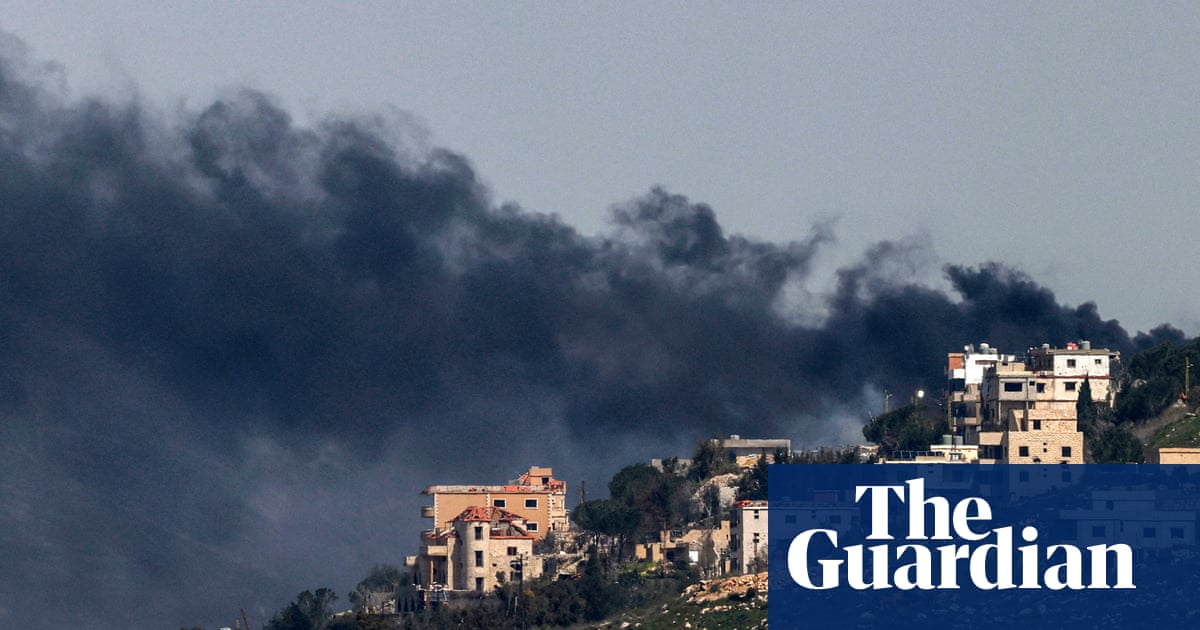
Intense ground invasion and clashes across at least three strategic areas in south Lebanon, concentrated around hilltop city Khiam, as Israel mobilized four brigades and columns of tanks and initiated a 'limited ground operation'. IDF strikes on bridges crossing the Litani and major roads and attacks on medical infrastructure are aimed at severing Hezbollah supply lines, raising the prospect of a sustained buffer-zone occupation. The escalation materially raises regional geopolitical risk and is likely to trigger a risk-off market response, favoring defense names and safe-haven assets while pressuring Lebanon-related and broader regional exposures.
The fighting pattern—concentrated assaults on terrain that controls supply and movement—imposes a logistics-heavy campaign for the attacker and forces the defender into decentralized, attritional tactics. That combination raises sustained demand for precision munitions, loitering/ISR drones, anti-armor systems and counter-battery capabilities; conservatively, procurement and consumption rates for those categories could run 30–50% above baseline for 3–9 months if ground operations persist. Targeted infrastructure attrition (bridges/roads/medical lifelines) has an outsized economic footprint: re-routing freight, concentrating transshipment at fewer Mediterranean hubs and increasing short-haul feeder demand. Expect regional freight times to widen by 2–4 days on affected lanes and insurance/hull risk premia to reprice upward (20–50%) for ships operating within the eastern Med corridor while uncertainty remains elevated. Macro/tail risk framing: over days-weeks the market should price a sharp risk-off for regional EM assets and tourism-linked cash flows; over months the dominant risk is a drawn-out occupation/insurgency that locks in higher defense spending but also prolongs local economic disruption. A true regime-change catalyst that would reverse the trend is an enforceable ceasefire or credible international stabilization force within 30–90 days; absent that, elevated volatility and a sustained defense-bias are the base case for 6–18 months.
AI-powered research, real-time alerts, and portfolio analytics for institutional investors.
Overall Sentiment
strongly negative
Sentiment Score
-0.75
