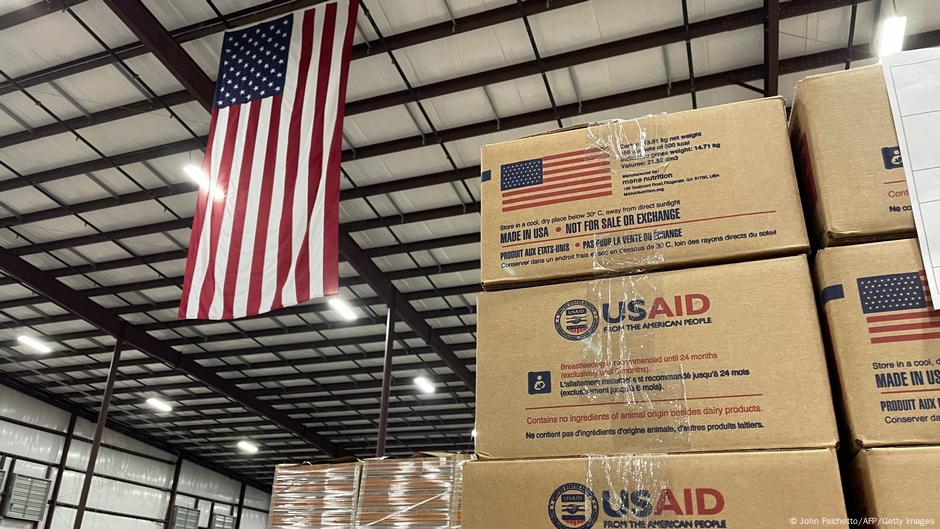
President Trump cancelled $4.9 billion in congressionally approved foreign aid funding using a rarely invoked "pocket rescission," bypassing Congress. This action, primarily affecting USAID and peacekeeping missions, faces strong opposition from Democrats and some Republicans who label it illegal and warn of increased federal shutdown risk. While the White House claims a "solid legal basis," the move highlights potential constitutional challenges and budgetary strain on international programs.
The Trump administration has cancelled $4.9 billion in congressionally approved foreign aid by employing a rare 'pocket rescission' maneuver, a tactic not utilized in nearly 50 years. This unilateral action circumvents the standard legislative process and primarily targets USAID, which has already seen its projects cut by 85%, and United Nations peacekeeping missions, creating what the UN terms a 'challenging' liquidity situation. The move has drawn significant bipartisan criticism; key Republicans, such as Senate Appropriations Committee Chair Susan Collins, have labeled it an illegal violation of law, while Democrats warn it severely damages negotiating trust and increases the probability of a federal government shutdown. Despite the White House asserting a 'solid legal basis,' the conflict between the executive and legislative branches over spending authority introduces considerable fiscal and political uncertainty ahead of the September 30 fiscal year-end.
AI-powered research, real-time alerts, and portfolio analytics for institutional investors.
Request DemoOverall Sentiment
strongly negative
Sentiment Score
-0.65
