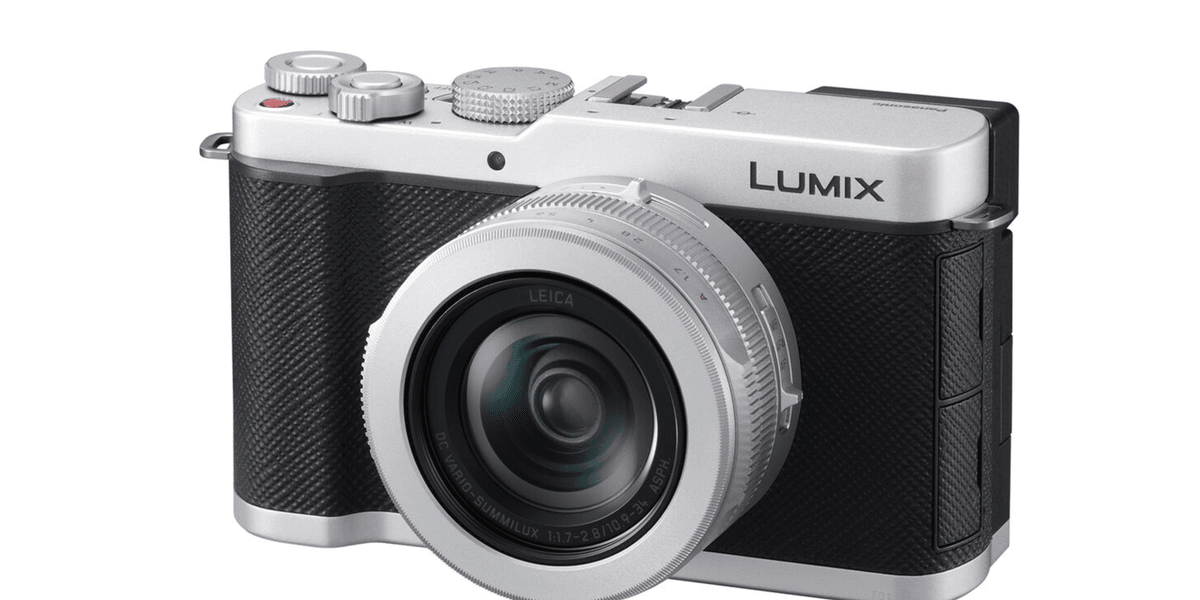
Panasonic announced the LUMIX L10, a premium compact mirrorless camera with a 20.4MP multi-aspect BSI CMOS sensor, Leica-designed 24-75mm equivalent lens, and up to 5.6K 30p / DCI 4K 120p video. The camera targets hybrid creators with open-gate recording, V-Log, MP4 Lite, and beginner-friendly pricing/features. The announcement is favorable for Panasonic’s imaging lineup, but the article appears promotional and is unlikely to have a material market impact.
This is less a one-off product refresh than a signal that Panasonic is trying to defend relevance in the “creator compact” category where upgrade cycles are driven by social-video workflows, not traditional camera replacement. The important second-order effect is that the product bundles premium sensor/lens architecture with a simplified UX and smaller files, which should widen the addressable market beyond enthusiasts and pressure competitors to justify higher-priced bodies through either stronger autofocus or better computational features.
The clearest beneficiaries are the component and channel ecosystem, not the camera brand itself: lens OEMs, image-sensor suppliers, and retailers with mix exposure to premium compact/hybrid kits should see better attach rates if the product resonates. The risk is that this segment is highly launch-driven and highly elastic; if early reviews question heat management, autofocus consistency, or codec practicality, sell-through can stall quickly and inventory will become the key operating variable within 1-2 quarters.
The contrarian view is that the market may be underestimating how much this kind of launch cannibalizes higher-margin body-only sales across the category. A lower-cost, all-in-one hybrid camera can pull demand forward from future upgrades and compress average selling prices across competitors, even if unit volumes look healthy. That dynamic is bullish for retailers and memory/storage/accessory vendors, but less attractive for incumbent camera OEMs that rely on body refreshes and lens upsells.
Catalyst timing matters: the next 30-60 days will be about preorder conversion and review sentiment, while the next 2-3 quarters will determine whether this is a durable subsegment or just a marketing spike. If social creators adopt it as a default “one-camera” solution, the broader market could shift toward integrated kits and away from modular ecosystems faster than consensus expects.
AI-powered research, real-time alerts, and portfolio analytics for institutional investors.
Request DemoOverall Sentiment
mildly positive
Sentiment Score
0.22
