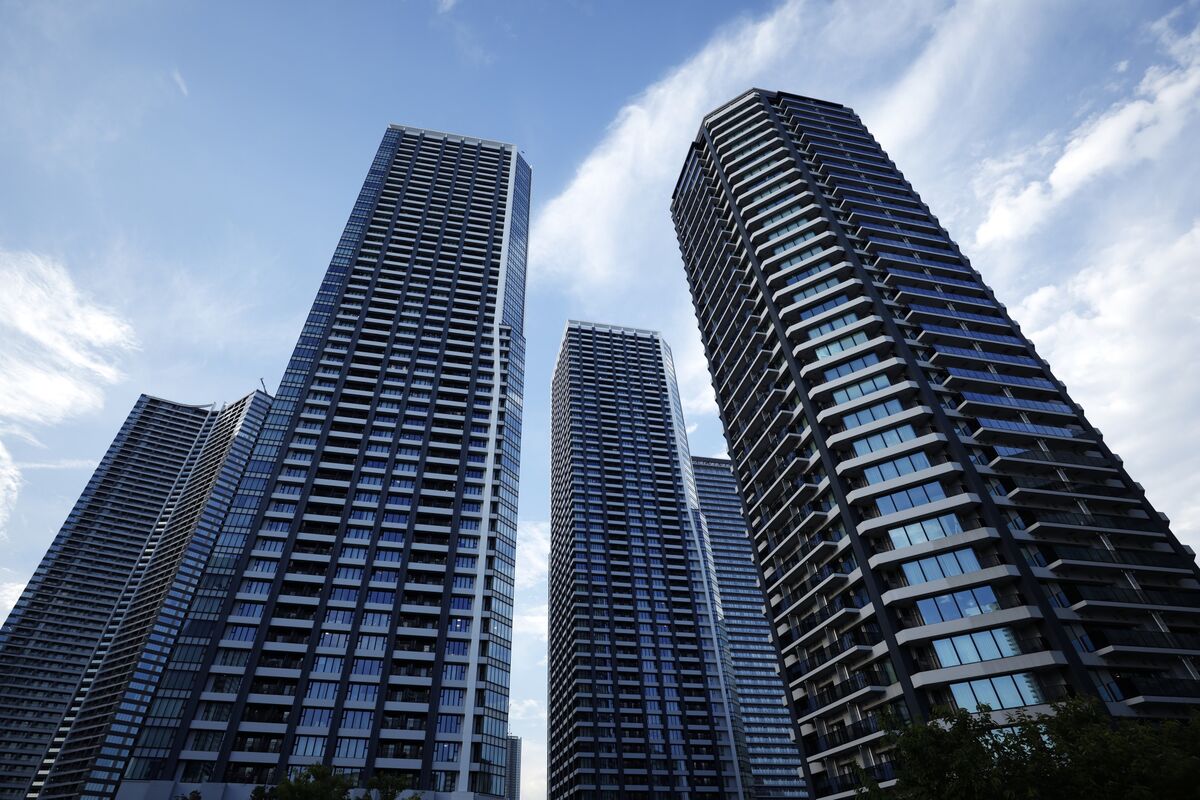
Japanese condominium associations are increasingly investing in government bonds, moving funds previously held in bank accounts, to finance building repairs. This shift is driven by rising bond yields and the necessity to offset inflation, with construction material costs up over 40% since 2015. Their emergence as bond buyers signals a new source of demand for Japanese debt, illustrating how higher yields are altering traditional cash management strategies.
A notable shift is occurring in Japan's domestic capital flows, as condominium associations are beginning to allocate funds to government bonds. This move from traditional bank deposits is a direct reaction to rising bond yields and significant inflationary pressures, particularly in construction, where material prices have surged over 40% since 2015. These associations, responsible for maintaining long-term repair funds, are now compelled to seek returns to preserve the real value of their capital. Their emergence as buyers introduces a new, and potentially stable, source of demand for Japanese government debt, illustrating a tangible behavioral change among a traditionally conservative segment of cash holders in response to the evolving macroeconomic environment.
AI-powered research, real-time alerts, and portfolio analytics for institutional investors.
Request DemoOverall Sentiment
mildly positive
Sentiment Score
0.15
