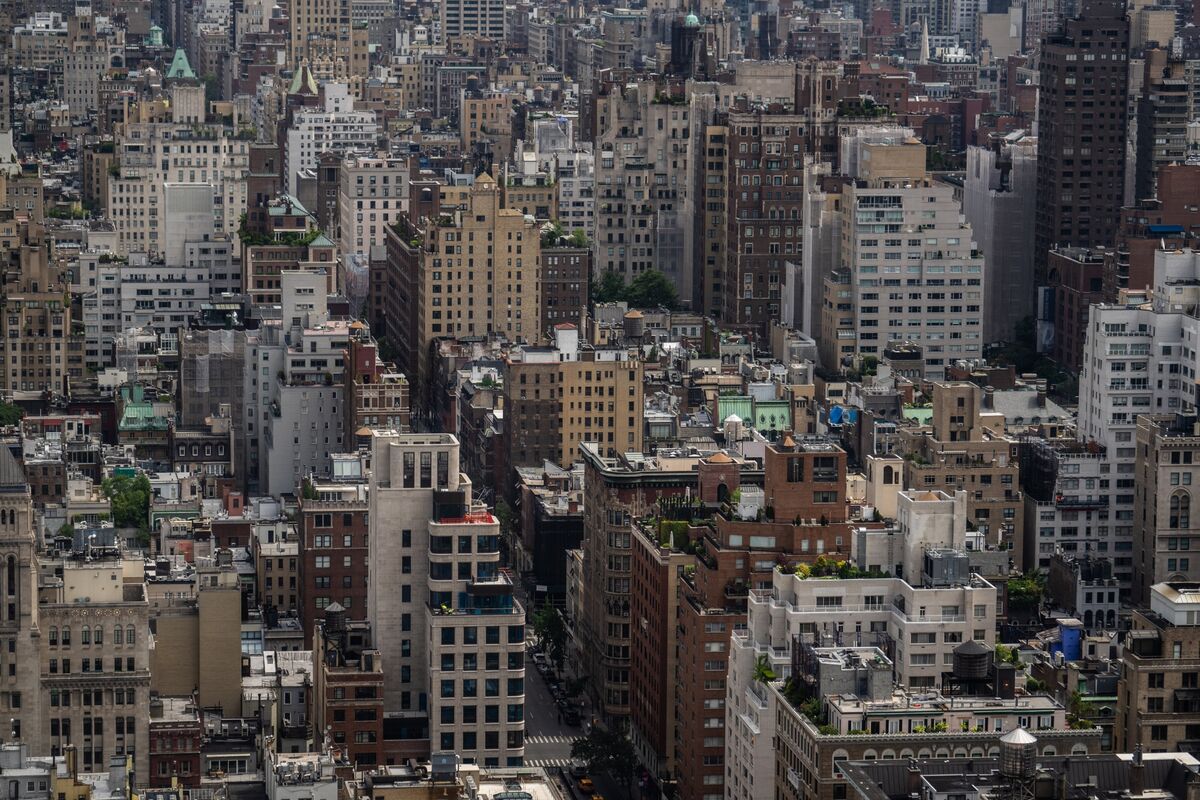
New York City's Rent Guidelines Board has approved a 3% rent increase for one-year leases and 4.5% for two-year leases on approximately 1 million rent-stabilized apartments, effective October 1. This marks the fourth consecutive year of rent hikes, signaling continued upward pressure on housing costs in the city and potentially impacting consumer disposable income for a significant portion of the population.
The New York City Rent Guidelines Board has approved a 3% rent increase for one-year leases and a 4.5% increase for two-year leases, impacting approximately 1 million rent-stabilized apartments for the fourth consecutive year. This decision, effective October 1, provides a direct revenue uplift for landlords and residential REITs with exposure to this housing stock, enhancing net operating income projections. However, the policy will also reduce disposable income for a significant segment of the city's population, potentially creating a mild headwind for local consumer-focused businesses. The narrow 5-4 vote underscores the contentious political climate surrounding housing affordability and regulation, signaling that future rent adjustments remain subject to considerable political risk and uncertainty for property owners.
AI-powered research, real-time alerts, and portfolio analytics for institutional investors.
Request DemoOverall Sentiment
mildly negative
Sentiment Score
-0.20
