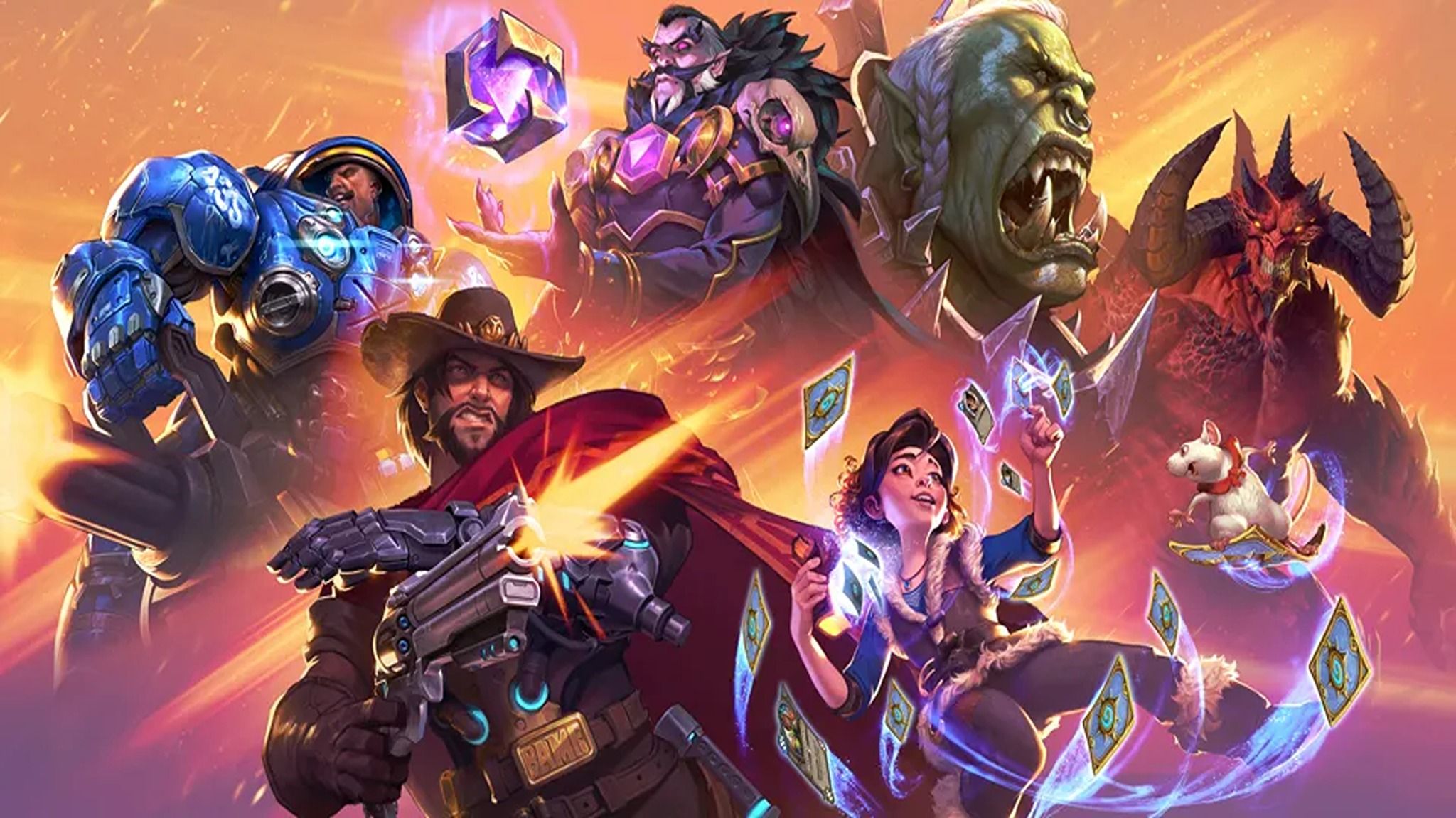
Blizzard Entertainment president Johanna Faries, who assumed the role in January 2024, is pushing for a reliable cadence of one to two major game launches per calendar year while prioritizing expansion of existing IP within a five-year planning horizon. Under Xbox oversight — and reportedly subject to a ~30% margin requirement from Microsoft — Blizzard already has two major releases scheduled for H1 2026 (World of Warcraft: Midnight on March 2, 2026; Diablo 4’s Lord of Hatred expansion on April 28, 2026), a pipeline that could drive engagement and recurring revenue but also raises performance and profitability expectations for investors.
Market structure: Microsoft (MSFT) is the clear winner — Blizzard’s cadence target (1–2 AAA launches/year) raises Game Pass content optionality and recurring revenue potential, supporting a 3–7% incremental uplift to Xbox segment revenue over 12–24 months if conversion/retention improves 1–2ppt. GPU suppliers (NVDA, AMD) and middleware (Unity) are secondary beneficiaries via uplift in PC/Xbox demand; small/indie publishers and single-title RE developers are the losers as capital and player attention concentrate. Pricing power: stronger first‑party pipelines enable MSFT to push subscription bundling and reduce reliance on one‑off retail pricing, compressing per‑title revenue but increasing lifetime value.
Risk assessment: Tail risks include a major launch failure or delay (estimated 20–30% chance) causing a >3% EPS hit to MSFT gaming segment in a quarter and a ~5–10% drawdown in near‑term sentiment; regulatory scrutiny on platform economics (10% probability) could force fee changes. Immediate (days) impact is likely muted; material readthroughs happen in months (pre‑launch test results, preorder trends) with full balance‑sheet effects realized in 2026–2027. Hidden dependency: Game Pass ARPU and churn metrics will determine whether launches translate to profit rather than cost.
Trade implications: Tactical long MSFT exposure is justified but should be hedged around H1 2026: target a 1–2% portfolio net-long via a 6–12 month call-spread (buy ATM, sell OTM) to capture re‑rating into March–April 2026 launches; add 0.5–1% long NVDA or AMD (calls) for hardware upside. Pair trade: long MSFT (1.5%) vs short TTWO (0.75%) over 12 months to play content consolidation risk; exit if MSFT gaming revenue misses guidance by >5% or TTWO announces >5% beat. Protect on downside with 6–9 month put spreads sized to 1% portfolio.
Contrarian angles: Consensus underestimates margin/monetization tradeoffs — more frequent AAA launches can raise content spend by 10–20%/yr and depress near‑term margins if not offset by higher ARPU, a risk markets may underprice. Historical parallels: Blizzard’s past multi‑year gaps produced both outsized rebounds and reputational hits; quality risk is non‑linear — a single failed launch can erase a year of goodwill. Unintended consequence: Microsoft may favor subscription growth over per‑unit monetization, pressuring peers’ pricing power and leading to consolidation or M&A opportunities among mid‑cap publishers.
AI-powered research, real-time alerts, and portfolio analytics for institutional investors.
Request DemoOverall Sentiment
mildly positive
Sentiment Score
0.28
Ticker Sentiment
