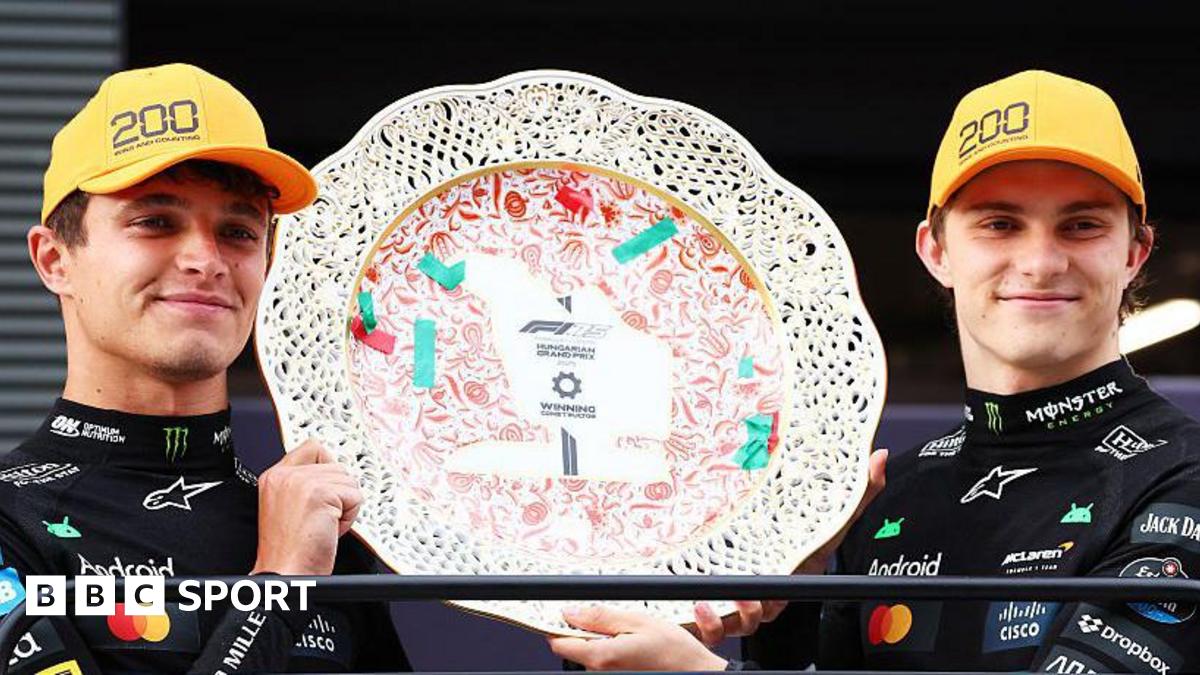
McLaren says preparing for the 2026 F1 rules — a simultaneous overhaul of chassis, power unit, fuel and tyres — has required an almost unprecedented design and development effort, prompting the team to delay on-track running until day two or three of the Barcelona pre-season test to maximise performance. Technical staff highlight that new hybrid powertrains (with roughly 50% electrical contribution and constrained energy recovery) will make energy management a central strategic and overtaking variable, while McLaren confirms continued internal racing between drivers Lando Norris and Oscar Piastri alongside operational streamlining. Several rivals (Cadillac, Audi, Racing Bulls, Mercedes) have already conducted shakedowns or tests, underscoring a competitive reset across the grid under the new regulations.
Market structure: The 2026 F1 rule reset benefits high-power battery cell designers, power‑electronics semiconductor vendors, aero/CAE software and specialty materials (carbon fiber, high‑temp alloys). Expect mid‑teens margin premium for suppliers able to certify high‑power, high‑cycle cells and silicon carbide/inverter modules; capital‑intensive smaller teams and generic parts suppliers are likely to lose pricing power in 2026–27. Sponsorship and media-value winners will be manufacturers that show early on‑track performance, shifting short‑term marketing spend toward front‑running teams.
Risk assessment: Tail risks include a homologation or reliability crisis that forces mid‑season technical bulletins, reducing supplier revenues (low‑probability, high‑impact within 0–6 months). Immediate risk window is the Barcelona and Silverstone tests (Jan 26–30 and days around them); short term (Q1–Q2 2026) will reveal reliability and energy‑management winners. Hidden dependencies: rare‑earths, SiC wafer supply and specialized cell cathode precursors; a constraint there could delay ramp and spike prices.
Trade implications: Favor suppliers of power electronics and CAE software over raw miners or low‑margin OEM suppliers. Tactical plays: capture volatility around tests/releases with short‑dated options, and establish small equities positions (1–2% each) in best‑in‑class semiconductor and CAE franchises with 6–12 month horizons. Rotate out of exposed commodity/miner names where F1-driven demand is negligible; reallocate to tech/IP owners likely to monetize F1 tech transfer.
Contrarian angle: Consensus will overestimate direct lithium/metal demand from F1 (volumes immaterial); underappreciated is the acceleration of IP and high‑power cell development that benefits SiC and software vendors for automotive OEMs broadly. Historical parallel: 2014 PU change concentrated performance in one supplier (Mercedes); watch for similar concentration risk. Unintended consequence: teams with superior software stacks will become acquisition targets, not just car builders.
AI-powered research, real-time alerts, and portfolio analytics for institutional investors.
Request DemoOverall Sentiment
neutral
Sentiment Score
0.00
