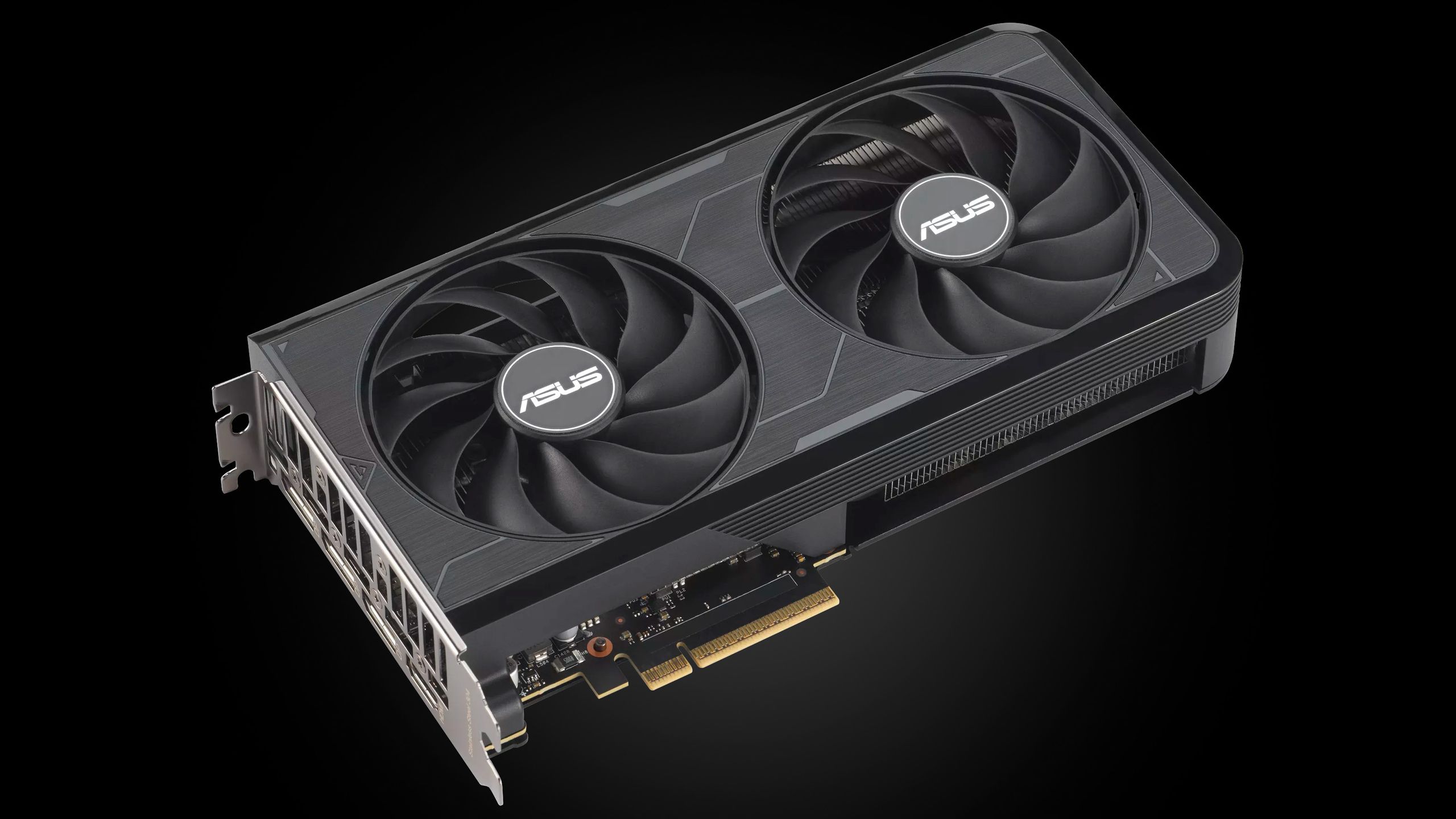
Asus and Gigabyte quietly introduced updated GeForce RTX 5060 Ti 16GB GDDR7 SKUs with opposing PCIe connector changes: Asus's new Dual RTX 5060 Ti Evo trades a PCIe x16 for an x8 connector, shortens the card (~2%), reduces slot width (2.5→2.1), removes dual‑BIOS and GPU Guard and shifts the 8‑pin power plug to target SFF builds and lower BOM cost, while Gigabyte's WindForce Max moves from an x8 to a physical x16 connector with only minor power‑connector repositioning. Performance is unaffected because Nvidia’s Blackwell‑based midrange cards are electrically x8, so the revisions are largely mechanical/cost and may reflect PCB reuse and margin optimization; pricing and availability remain undisclosed, implying limited near‑term market impact beyond supplier cost structure and product segmentation.
Asus and Gigabyte quietly introduced refreshed GeForce RTX 5060 Ti 16GB GDDR7 SKUs with opposing PCIe connector changes: Asus's Dual GeForce RTX 5060 Ti Evo replaces a PCIe x16 with an x8 connector, shortens the card by ~2% and reduces slot width from 2.5 to 2.1 slots while removing dual‑BIOS and GPU Guard and relocating the 8‑pin power plug; Gigabyte’s WindForce Max moves from a physical x8 to x16 connector with only minor power‑connector repositioning. Both updated SKUs are listed on vendor sites but were launched without announced pricing or availability, and the article cites cost reduction and possible PCB reuse as the primary rationales for the revisions.
Nvidia’s GeForce RTX 5060 and 5060 Ti are electrically configured to operate at PCIe x8, so connector differences between x8 and x16 do not change GPU performance; the updates are therefore mechanical and BOM/segmentation driven rather than performance driven. Asus’s Evo target appears to prioritize small‑form‑factor compatibility and lower unit cost at the expense of enthusiast features, while Gigabyte’s Max adjustment is largely cosmetic.
The quiet rollouts and lack of MSRP imply limited near‑term demand or market disruption, but potential margin benefits for card makers if BOM reductions are realized; the article’s attached sentiment scoring records a mildly negative tone with low market‑impact. Key risks include adverse enthusiast reaction to removed features and uncertain channel pricing, which will determine whether these changes improve unit economics or erode brand premium.
AI-powered research, real-time alerts, and portfolio analytics for institutional investors.
Request DemoOverall Sentiment
mildly negative
Sentiment Score
-0.25
Ticker Sentiment
