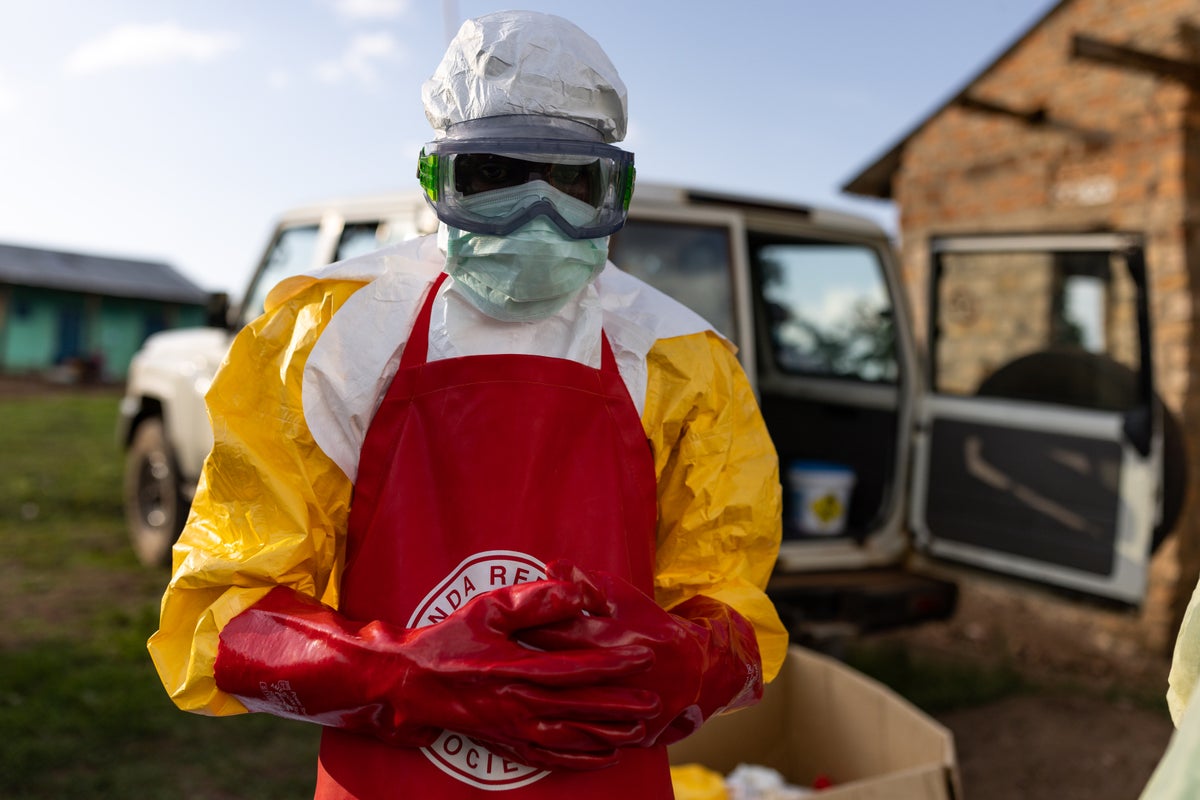
A WHO-backed preparedness report says the world is now less safe from pandemics than before COVID, warning that future outbreaks may be more frequent, harder to manage, and more disruptive. It cites rising risks from weak public trust, climate change, armed conflict, geopolitical fragmentation, underfunded public health systems, antimicrobial resistance, and ungoverned AI. The article also notes fresh Ebola and hantavirus outbreaks, along with U.S. funding cuts and stalled international pandemic-agreement talks, pointing to worsening global health security.
This is less a one-off public-health headline than a regime shift for risk premia: the market should increasingly price recurring disruption rather than a single post-COVID catch-up cycle. The second-order winners are the firms that sell surveillance, diagnostics, biosecurity logistics, and lab automation, because governments are likely to fund “readiness” more readily than large-scale structural reform. That makes the best exposure not broad healthcare beta, but the picks-and-shovels names tied to recurring testing, sequencing, cold-chain, and emergency response procurement.
The underappreciated loser is not just airlines or leisure; it is the long-duration economic growth complex that depends on frictionless cross-border flows and stable labor participation. A higher baseline of outbreaks, plus conflict/climate fragmentation, raises the probability of intermittent supply shocks that hit semis, specialty chemicals, and medtech inputs before the headline illness wave shows up. In other words, the first trade is often through policy restriction, absenteeism, and procurement hoarding—not through direct clinical demand.
The AI angle is important because it cuts both ways: model-enabled discovery, outbreak detection, and resource allocation can improve response times, but the near-term market impact is more likely negative via synthetic biology misuse, misinformation amplification, and governance lag. That argues for a rising “trust tax” on any company whose product relies on public adoption, data sharing, or regulatory goodwill. If funding discipline tightens while preparedness spending stays fragmented, the result is a barbell: winners in defensive infrastructure, losers in discretionary innovation with long payback periods.
Consensus is probably underestimating how quickly this can reprice after the next event: risk assets tend to ignore preparedness until the first 2-4 week window of transmission or containment failure. The bigger contrarian view is that this is not an immediate broad healthcare bull case; many large-cap pharma names benefit only marginally unless there is a specific antiviral/vaccine read-through. The better asymmetric setup is to buy the infrastructure around outbreaks, while fading complacency in travel, leisure, and select global supply-chain proxies on any new health shock.
AI-powered research, real-time alerts, and portfolio analytics for institutional investors.
Request DemoOverall Sentiment
strongly negative
Sentiment Score
-0.75
