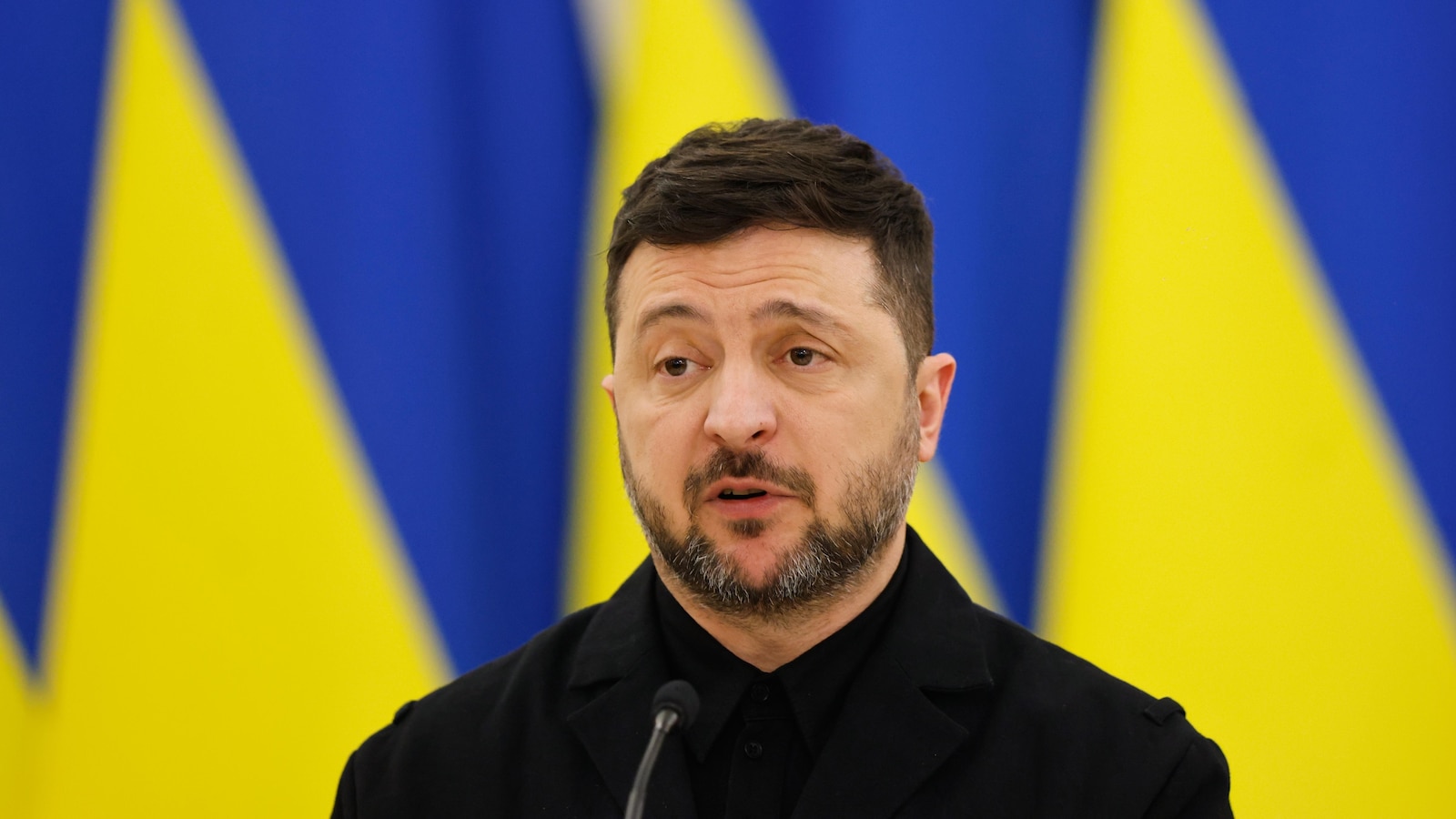
Ukrainian President Volodymyr Zelenskyy said a U.S. security guarantees document for Ukraine is “100% ready” following two days of trilateral talks in Abu Dhabi involving Ukrainian, U.S. and Russian representatives, and is awaiting a signing date before submission to the U.S. Congress and Ukrainian parliament for ratification. The talks — which included military delegations and covered military and economic issues — exposed fundamental differences over territorial integrity, with Russia insisting Kyiv withdraw from Russia-annexed eastern areas; negotiators will reconvene in the UAE on Feb. 1. Oversight arrangements for the Russian-occupied Zaporizhzhia nuclear plant remain unresolved, and the outcome will be material for regional security and energy-risk assessments.
Market structure: A U.S. security-guarantee framework moving toward ratification shifts demand into Western defense suppliers and reconstruction/exposure plays while reducing tail-premiums priced into European energy and risky EM FX. Expect a 10–30% re-rating potential for prime defense primes (LMT/RTX/GD) over 6–12 months if the text reaches Congress and funding is committed; conversely, near-term repricing could compress European gas forward curves by 10–20% on de-escalation bets.
Risk assessment: Key tail risks are Congressional rejection (political), Russian insistence on territorial concessions (operational), and a nuclear-plant incident at Zaporizhzhia (catastrophic). Time horizons: days—volatility around Feb 1 talks; weeks—Congress/Parliament calendar (30–90 days) determines funding; years—EU accession/long-term reconstruction drives multi-year capex. Hidden dependencies include U.S. domestic politics and conditionality tied to aid flows that can reverse market moves quickly.
Trade implications: Tactical defensive longs (aerospace/defense) and selective energy hedges dominate: if guarantees advance to Congress within 30–60 days, expect defense equities to outperform cyclicals by 5–15% in 3 months; breach or plant incident could flip trades the other way. Options can monetize asymmetric outcomes: buy-dated call spreads on defence names and put spreads on natural-gas volatility around the Feb 1 meeting.
Contrarian angles: Consensus assumes steady de-escalation; markets underprice the risk that guarantees are drafted but blocked by Congress or that a “paper” agreement freezes conflict without resolving insurgency—sustaining multi-year defense budgets. Historical parallels (post-Minsk) show short-term diplomatic headlines often precede renewed fighting; therefore size positions to survive reversals and use defined-cost options structures.
AI-powered research, real-time alerts, and portfolio analytics for institutional investors.
Request DemoOverall Sentiment
neutral
Sentiment Score
0.00
