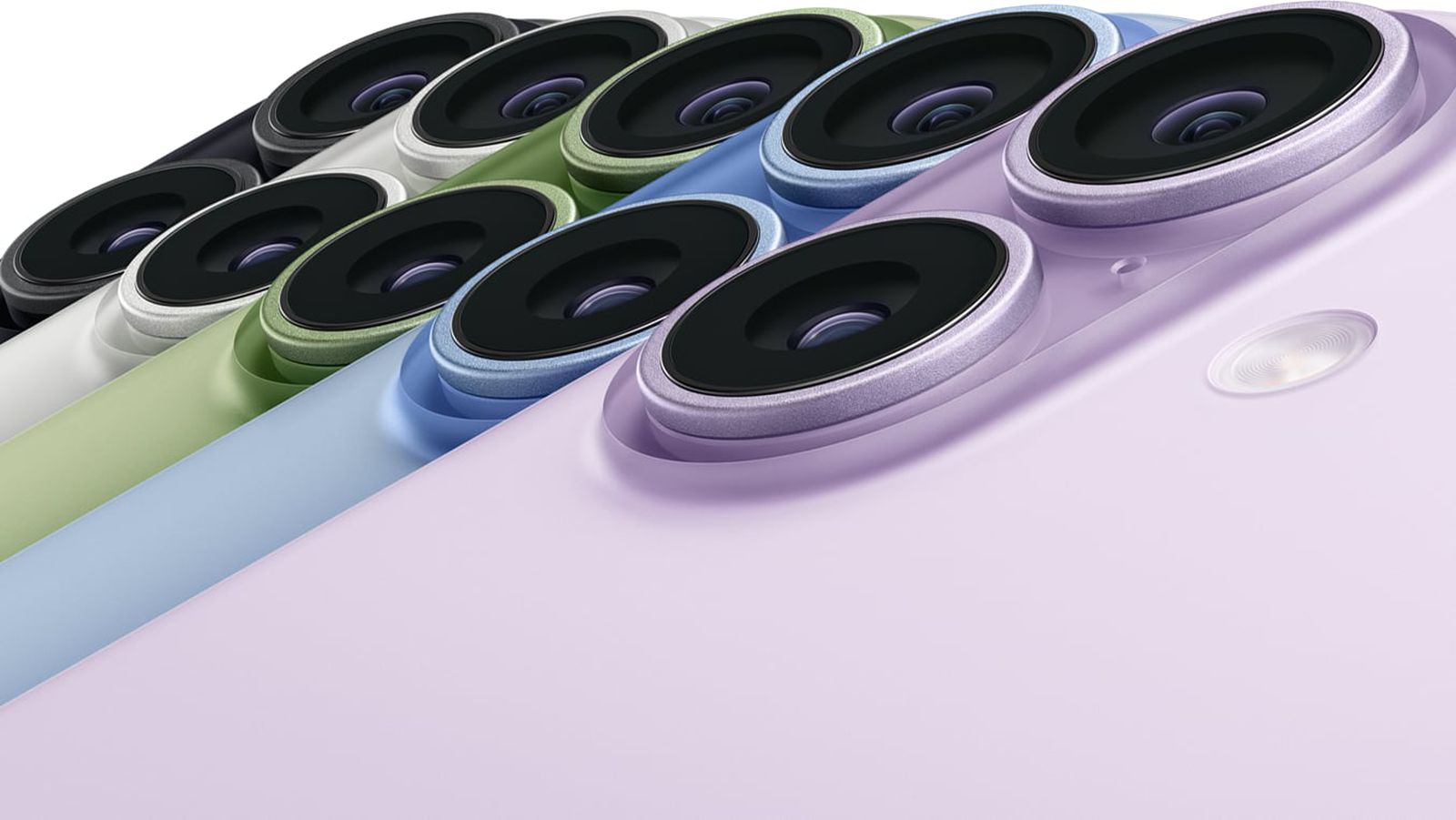
Apple is reported to begin trial production of iPhone 18 units after the Lunar New Year (late February), with iPhone 18 Pro production lines already set up and external design changes expected to be modest. The firm is said to be pursuing a split launch cadence — iPhone 18 Pro models (and a foldable) in September 2026 featuring an A20 Pro chip, potential under‑screen Face ID, a three‑layer Samsung stacked sensor and a custom C2 modem, while the standard iPhone 18 and 18e would follow in spring 2027 with TSMC 2nm A20 and possible 12GB RAM; these details, if accurate, confirm supplier exposure (TSMC, Samsung) and timing that could influence production ramp, component demand and revenue recognition into 2026–2027.
Market structure: Apple (AAPL) is the primary beneficiary — trial production in Feb and a split launch (Pro Sept 2026, standard Spring 2027) implies two distinct revenue waves and extended upgrade cycles. TSMC (TSM) also benefits from 2nm A20/A20 Pro demand and new stacked sensors (Samsung builds sensors but foundry demand stays with TSM); expect targeted capex pass-through to foundries raising TSM near-term fab utilization to >90% into H2 2026. ARM gains modestly from new core adoption but is a secondary beneficiary versus wafer fabs and sensor suppliers.
Risk assessment: Short-term (days–weeks) market reaction will be muted; the first true catalyst is Feb trial-production confirmation and supplier order flow — absence of confirmation by Feb 28 is a negative signal. Tail risks: production delays, under‑screen Face ID yield problems, geopolitical disruption (Taiwan/China) or Apple guidance that pulls revenue from H2 2026 into 2027; any of these could knock AAPL shares 10–20% in a stressed scenario. Hidden dependency: Apple’s custom C2 modem reduces traditional modem vendors’ share and could change ASP mix and gross margin profile if modem cost is capitalized differently.
Trade implications: Favored directional trades are pro-AAPL and pro‑TSM but sized and hedged for event risk; expect a 6–12 month positive re-rating if trial production scales and preorders track prior cycles. Cross-asset: stronger Apple cycle supports USD and narrows IG spreads slightly; semiconductor strength implies modest upward pressure on copper and specialty metals but minimal oil impact. Options: calendar and diagonal spreads around the Sept 2026 Pro launch and Jan 2027 follow-up capture asymmetric upside while financing premium.
Contrarian angles: Market may underprice the negative short-term revenue sequencing (split launch could depress Sept comparable sales), so owning naked long AAPL into Sept without hedge is risky. Conversely, the market may under-appreciate TSM’s pricing leverage from 2nm constraints — a targeted 3–6 month overweight in TSM could outperform AAPL. Historical parallel: iPhone staggered launches (watch + SE cycles) created two re-rating windows rather than one; if Apple repeats that, AAPL can re-accelerate post Spring 2027 rather than collapse after Sept.
AI-powered research, real-time alerts, and portfolio analytics for institutional investors.
Request DemoOverall Sentiment
mildly positive
Sentiment Score
0.25
Ticker Sentiment
