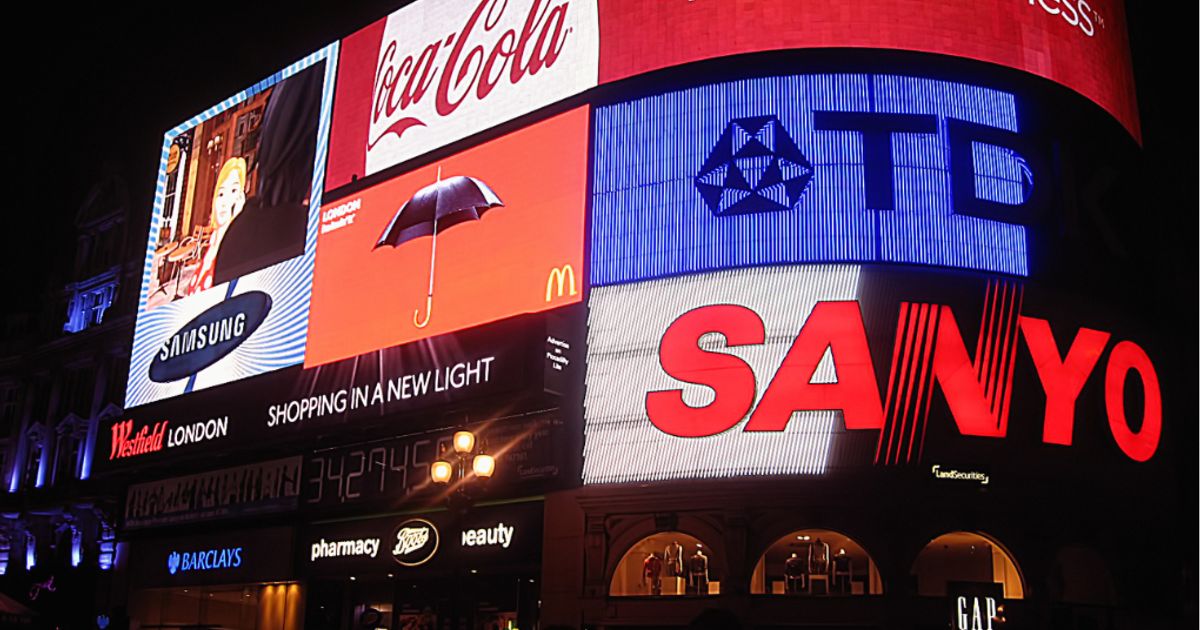
Wedbush reporting from CES 2026 highlights a structural shift in advertising: brands are prioritizing measurable performance and ROI over headline CPMs as AI-driven measurement and first-party data improve attribution across streaming and connected TV. Netflix’s ad tier saw initial price pressure but CPMs have risen as measurement and data quality improved; Roku is leveraging ad capabilities and partnerships to monetize connected-TV growth while The Trade Desk’s Walmart Connect tie-up extends funnel visibility. Roblox unveiled new ad formats expanding advertiser reach (with cautions on age verification and safety), and AI-driven efficiencies are compressing content production costs, implying more content and more targeted marketing into 2026.
Market structure: CES signals a durable shift of ad dollars into CTV and ad-tech stacks that can deliver measurable ROI; clear winners are NFLX, ROKU and TTD (first-party data + measurement) while open social/undifferentiated programmatic sellers and safety-exposed youth platforms (RBLX) are at risk. Expect CPMs to re-rate: premium CTV inventory could see 10–30% YoY price improvement through 2026 as advertisers pay for outcome tracking, tightening effective supply of high-quality measured impressions. Cross-asset: stronger ad revenue should compress media credit spreads (improving IG cashflows) and reduce equity volatility for winners, while idiosyncratic option vols rise around earnings and regulatory dates.
Risk assessment: Tail risks include aggressive privacy regulation (EU/US consent mandates) or a high-profile child-safety scandal on Roblox that forces advertiser boycotts — each could wipe 10–25% off revenue for exposed names in 3–12 months. Short-term (30–90 days) risk centers on execution of partnerships (Walmart/TDD, Roku/Amazon); long-term (1–3 years) risk is consolidation of measurement into a few platforms raising antitrust scrutiny. Hidden dependency: monetization relies on advertiser trust in AI models — measurement errors or fraud could rapidly reverse CPM gains.
Trade implications: Prefer concentrated, risk-defined longs in ROKU and TTD (exposure to CTV and alternative measurement) and tactical exposure to NFLX on improving ad monetization; use 3–9 month call spreads to cap downside and exploit elevated near-term option vols. Consider 1–2% portfolio tail hedges shorting RBLX via puts (3–6 months) given safety/regulatory execution risk, and rotate away (reduce 3–5% gross) from legacy linear-ad and low-first-party-data social exposure.
Contrarian angles: Consensus assumes AI measurement scales linearly — likely underestimates the cost and slow adoption by mid-market advertisers; pricing power may concentrate in <20% of premium inventory, leaving a long tail of commoditised supply. Historical parallel: programmatic era created winners (Google/Facebook) but also prolonged value destruction for many publishers; expect similar consolidation and possible regulatory backlash that could cap multi-year upside.
AI-powered research, real-time alerts, and portfolio analytics for institutional investors.
Request DemoOverall Sentiment
moderately positive
Sentiment Score
0.45
Ticker Sentiment
