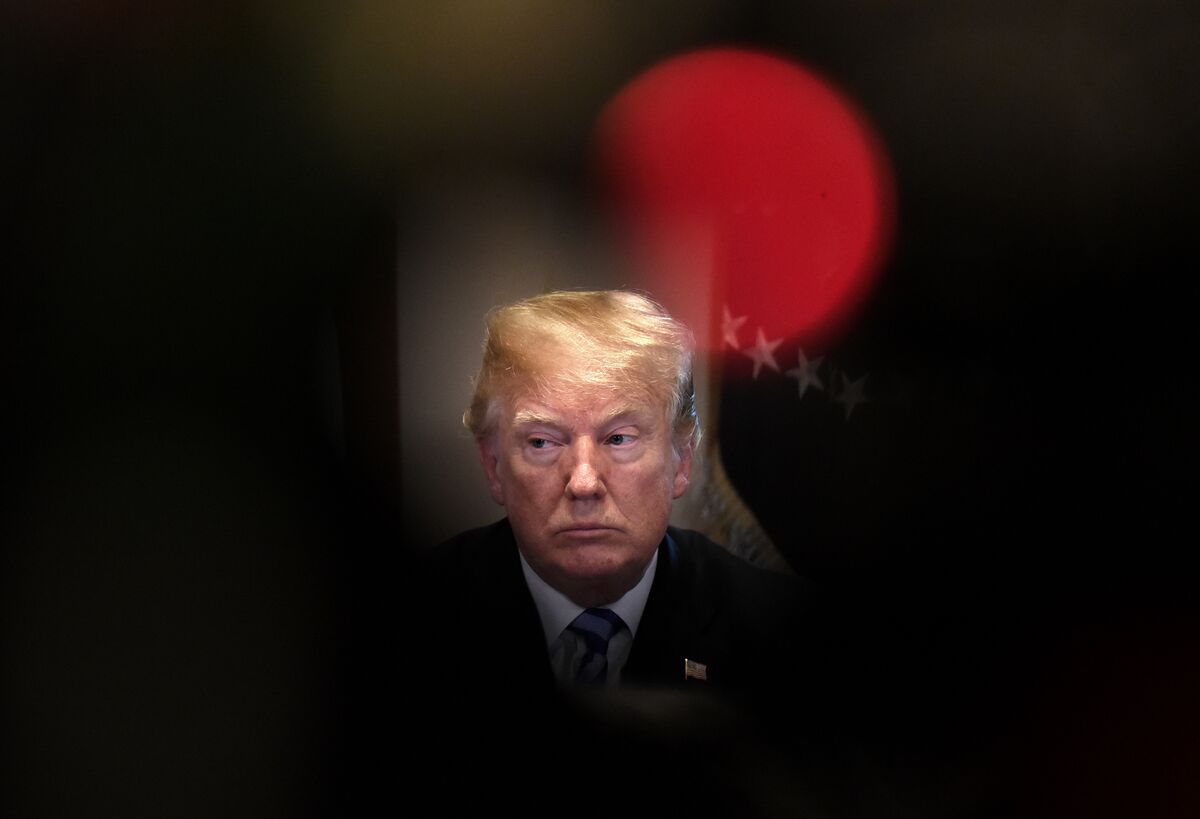
President Trump conducted back-to-back calls with Chinese President Xi Jinping and Japan’s leadership to mediate a dispute over divergent positions on Taiwan; Xi pressed Trump on Taiwan invoking wartime alliances while Trump’s public comments avoided the topic. Instead, Trump highlighted agricultural purchases and fentanyl cooperation, and Taiwan’s government welcomed the omission as keeping it outside any bilateral deal. The diplomatic engagement reduces immediate escalation risk but leaves geopolitical uncertainty around Taiwan unresolved, a factor hedge funds should monitor for potential regional risk premia shifts.
Market structure: Near-term de-escalation compresses a political risk premium that had bid up defensive and commodity hedges; beneficiaries are high‑beta Asia tech and Japan exporters while traditional defense primes could see a 5–15% repricing over weeks if risk sentiment normalizes. Supply/demand for semiconductors remains supply‑constrained structurally, so any reduction in headline risk favors flow into TSM/ASML and picks up pricing power in fabrication equipment and specialty chemicals. Cross‑asset: expect Asian equity beta to rise, implied vols (VIX regional proxies) to compress 10–30% in days, modest steepening pressure on USTs as safe‑haven demand fades, CNY/CNH to firm if trade rhetoric stays muted and USD/JPY to weaken on risk‑on.
Risk assessment: Tail events — kinetic clash, sanctions on Taiwanese fabs, or crippling cyberattacks — remain low probability but >$100bn economic shock scenarios, so maintain structured tail hedges. Time horizons: days = volatility compression and rotation; weeks–months = earnings and supply‑chain rerouting that can reprice semis and auto suppliers by ±15–25%; quarters+ = strategic decoupling outcomes that can permanently shift capex to Japan/US. Hidden dependencies include US defense reliance on Taiwan fabs for specialty nodes and Japan’s role as an intermediate supplier; catalysts include election cycles, PLA exercises, and secret bilateral provisions revealed in leaks.
Trade implications: Tactical: favor long semiconductor equipment and Taiwan fabs for 3–12 months as risk premium falls but fundamentals stay tight; trim core defense exposure on any >5% rally in Asian tech within 10 trading days. Options: buy 3–6 month puts as tail insurance (~25% notional) on TSM/ASML, and sell 30–60 day covered calls on defense names if vols compress to harvest premium. Sector rotation: overweight EWJ/Japan autos & tech suppliers, underweight pure-play US defense contractors for the next 1–3 months while retaining strategic hedges.
AI-powered research, real-time alerts, and portfolio analytics for institutional investors.
Request DemoOverall Sentiment
neutral
Sentiment Score
0.00
Contrarian angles: The market may underprice a stealth policy shift (quiet concessions or supply‑chain pacts) that reallocates long‑run capex to Japan — a multi‑year thematic winner that consensus still treats as cyclical. Conversely, complacency after diplomatic calm risks sudden re‑pricing if a tactical incident occurs; implied vols likely mean‑revert higher, creating mispriced short‑vol opportunities now. Historical parallels (1996 Taiwan crisis vs post‑crisis capex shifts) suggest lookthrough windows of 6–18 months where local winners consolidate market share, not immediate 1–2 month rebounds.
