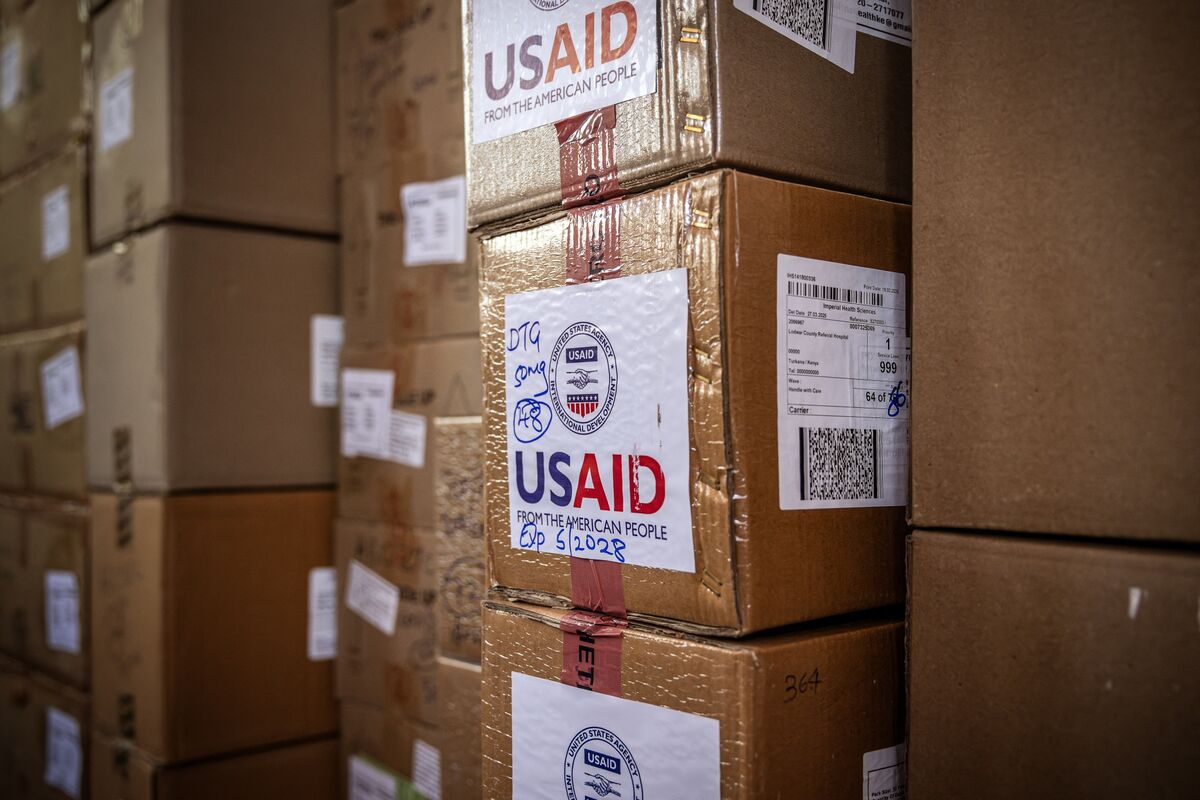
The Supreme Court, through Chief Justice John Roberts, has temporarily permitted the Trump administration to maintain a partial freeze on approximately $4 billion in congressionally approved foreign assistance funding. This ruling allows the administration to avoid obligating these funds, raising concerns among opponents that the aid could expire after the fiscal year concludes on September 30, effectively preventing its disbursement for international programs.
The Supreme Court has temporarily permitted the Trump administration to continue a freeze on approximately $4 billion in foreign assistance funding, a move that introduces significant uncertainty into the U.S. budgetary process. This interim order allows the executive branch to avoid obligating funds previously approved by Congress, creating a direct conflict over fiscal authority. The primary risk highlighted is the potential expiration of these funds after the fiscal year concludes on September 30. If the State Department and USAID do not commit these funds by the deadline, the congressionally-mandated aid will be effectively canceled, setting a notable precedent for executive power in budgetary matters. While the event carries substantial political and procedural weight, its direct market impact is assessed as minimal, suggesting that investors do not currently price this specific funding freeze as a significant macroeconomic or sector-specific event.
AI-powered research, real-time alerts, and portfolio analytics for institutional investors.
Request DemoOverall Sentiment
neutral
Sentiment Score
0.00
