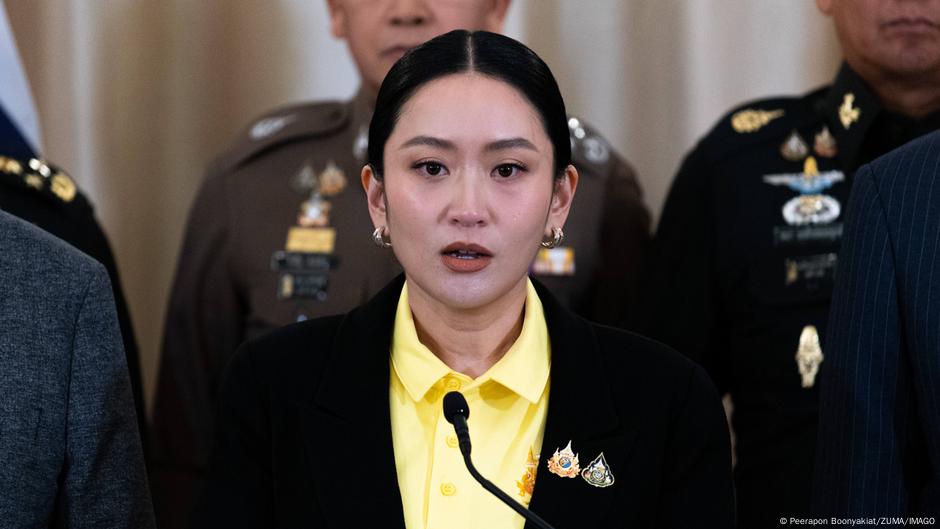
Thailand's political stability is again under scrutiny following the Constitutional Court's suspension of Prime Minister Paetongtarn Shinawatra, citing a perceived undermining of national interests. This action, which makes her the second Pheu Thai prime minister potentially removed by the court in a year and coincides with her father Thaksin's legal challenges, highlights the judiciary's significant and recurring intervention in Thai governance. The ongoing political turmoil, marked by judicial actions against elected leaders and the Shinawatra family, signals elevated political risk and policy uncertainty for investors, perpetuating a cycle of instability in the country.
Thailand's political landscape is experiencing a significant increase in instability following the Constitutional Court's suspension of Prime Minister Paetongtarn Shinawatra. This event is not isolated but rather part of a recurring pattern of judicial intervention, as evidenced by the removal of her predecessor Srettha Thavisin less than a year ago and the dissolution of the election-winning Move Forward party. The situation is further compounded by the concurrent legal challenges facing her father, Thaksin Shinawatra, highlighting a coordinated pressure campaign against the Shinawatra dynasty and its Pheu Thai party. Analysts cited in the report express a strong consensus that Paetongtarn's eventual dismissal is likely, which would perpetuate a 20-year cycle of political conflict between populist elected governments and the conservative, royalist establishment. This deep-seated turmoil suggests a period of heightened policy uncertainty and governance paralysis, as any new government will likely face similar opposition, hindering any potential for significant economic or structural reforms.
AI-powered research, real-time alerts, and portfolio analytics for institutional investors.
Overall Sentiment
strongly negative
Sentiment Score
-0.65
