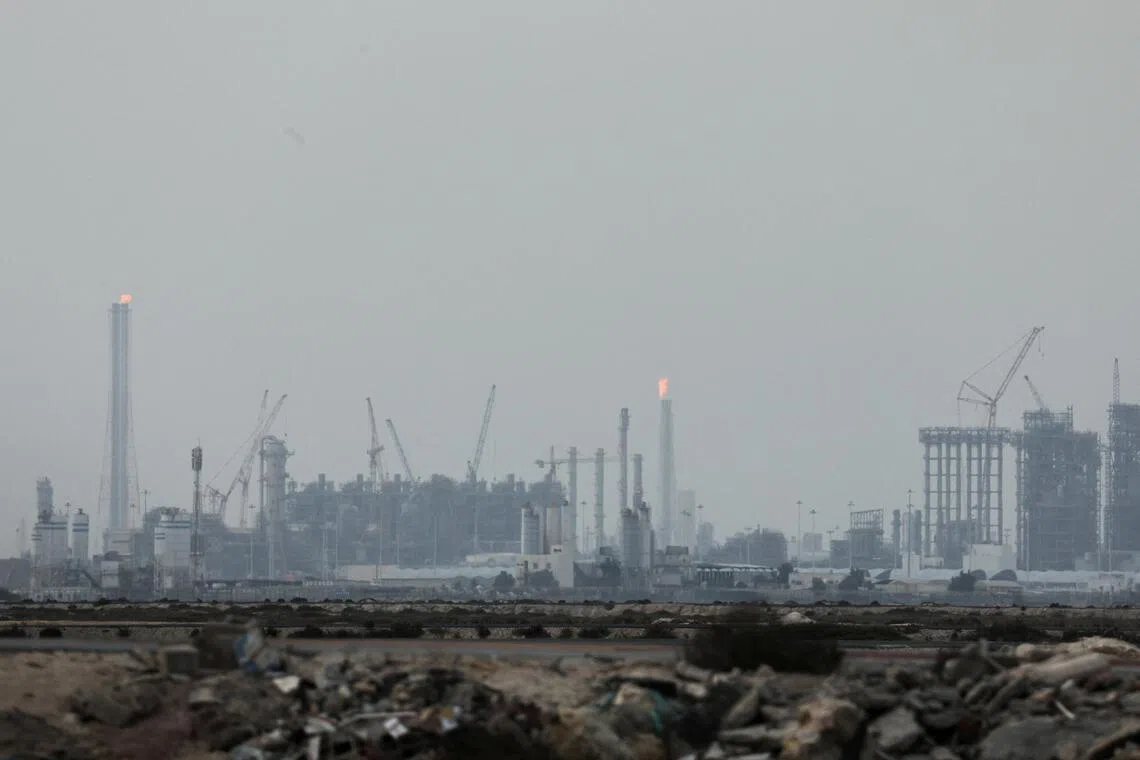
An Iranian cruise missile struck the Aqua 1 oil tanker leased to QatarEnergy on April 1 in Qatari waters; two other cruise missiles aimed at Qatar were intercepted. The tanker sustained above-waterline damage but there were no casualties or reported environmental impact. The attack is part of a broader escalation by Iran that has disrupted energy infrastructure and knocked out roughly 17% of Qatar's LNG export capacity, increasing supply risk to Europe and Asia and adding upward pressure to regional energy prices and shipping risk.
This incident materially raises the marginal cost of moving hydrocarbons through the Gulf by forcing a war-risk premium, longer voyage routing and higher idle days for ships needing convoying or inspection. For LNG and crude markets, each extra 3–5 days of sailing equates to a meaningful uptick in time-charter equivalent revenue for owners and a corresponding lift in delivered cost for buyers — mechanically widening spot spreads and pushing more cargoes into the forward curve to lock supply.
Second-order winners are owners of specialized tonnage (LNG carriers, Suezmax/Aframax) and reinsurers/underwriters who can reprice war-risk quickly; losers are short-cycle buyers (spot-dependent utilities, commodity traders with short hedges) and refiners/importers with tight margin profiles. Logistics chokepoints also increase working capital needs across trading houses and escalate freight derivatives volumes, which will transiently bid up charter rates and volatility in freight forwards for 1–6 months.
Key catalysts: immediate moves will come from insurance market repricing and blanked voyages over the next 7–30 days; medium-term price formation depends on cargo re-routing and whether owners demand long-term higher charter floors (3–12 months). A de‑escalation path (ceasefire/diplomatic corridor, convoying arrangements, or a surge in alternate export volumes from other basins) would compress premiums quickly and is the primary reversal risk within 1–3 months.
AI-powered research, real-time alerts, and portfolio analytics for institutional investors.
Overall Sentiment
strongly negative
Sentiment Score
-0.60
