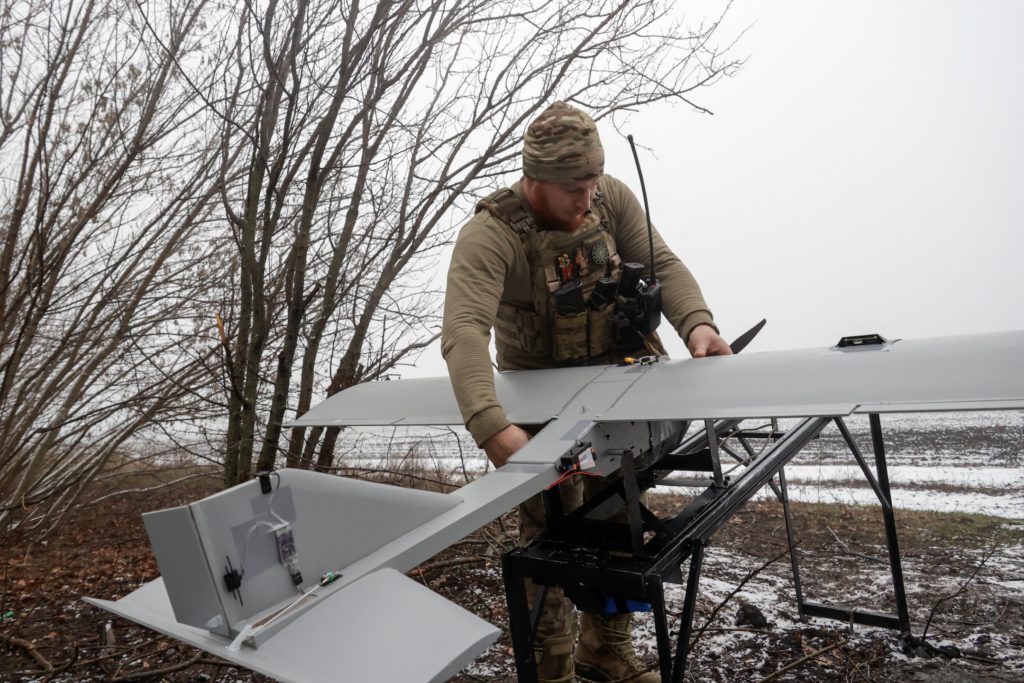
Ukraine's specialized Group 13 drone unit is using low-cost naval and long-range kamikaze drones (e.g., Magura 5/7 and the 200‑lb “Beaver” with ~600‑mile range) to strike Russian naval assets, oil tankers in the 'shadow fleet' and energy infrastructure — reportedly contributing to periods when >10% of Russia's refinery capacity was offline. Notable hits include the patrol ship Sergey Kotov (estimated $65m) and strikes hundreds to over 1,200 miles from Ukraine, forcing Russia's fleet east to Novorossiysk; Russia still outproduces Ukraine in drone manufacture (claims of 400/day) and launches large drone barrages (averaging 726/week). The dynamic raises continued downside risk to Russian energy exports and logistical chains, supports sustained demand for defense and counter‑UAS capabilities, and implies potential volatility in regional energy markets.
Market-structure: Cheap, mass-produced kamikaze naval and long-range drones shift power toward asymmetric actors — winners include Western defense primes with AD/ISR and payload-integration capabilities (Lockheed LMT, RTX, NOC) and niche drone makers (Kratos KTOS, L3Harris LHX). Losers: Russia-exposed commodity shippers, tanker owners, and on-shore refinery assets in contested regions; expect increased insurance premia (up 20–50%) and higher freight costs that can tighten refined product supply within weeks.
Risk assessment: Tail risks include rapid escalation (NATO involvement or strikes on civilian energy hubs) that would spike oil +15–40% and widen equity volatility (VIX +5–15 pts). In the immediate term (days–weeks) expect tactical price moves in oil and shipping; medium-term (3–12 months) the structural shift favors sustained defense capex and C4ISR orders if US/EU aid continues. Hidden dependency: Western microelectronics and missile components are choke points — if export controls tighten, small drone assemblers could stall despite demand.
Trade implications: Favor concentrated long exposure to defense primes and select drone specialists for 6–12 months while using options to cap downside; use short-dated oil call spreads to express commodity upside and buy targeted equity tail hedges (S&P put spreads) to protect against escalation. Cross-asset: increased demand for USTs as safe haven should compress 10y yields by ~10–30 bps in risk-off windows, while RUB should remain under pressure vs USD.
Contrarian angles: Consensus overweights pure-play drone equities assuming unlimited Western supply — that’s underdone on component bottlenecks and budget cycles. The market may underprice the durable benefits to refiners outside Russia (MPC, VLO) if Russian refinery outages persist; conversely, small-cap drone names are binary and susceptible to 30–50% downside on order delays.
AI-powered research, real-time alerts, and portfolio analytics for institutional investors.
Request DemoOverall Sentiment
mildly negative
Sentiment Score
-0.35
