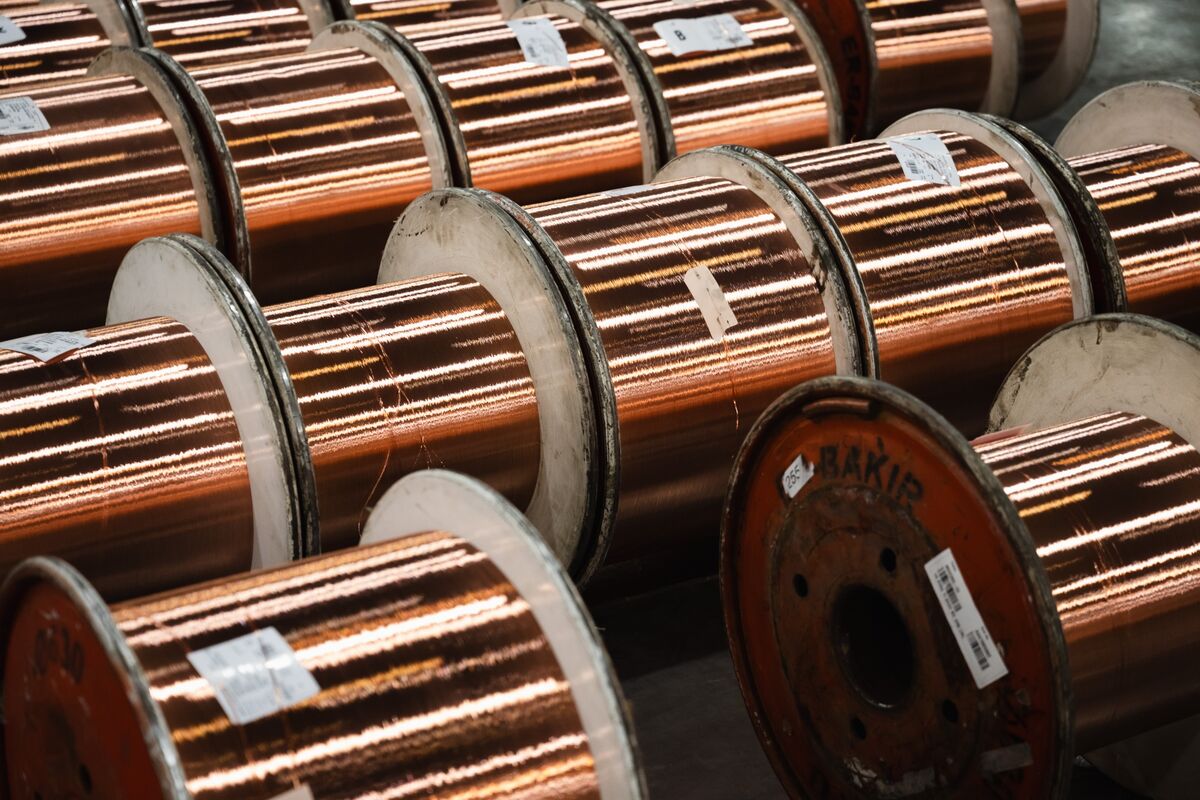
Southwire Co., a prominent U.S. copper wire and cable manufacturer, has publicly endorsed the Trump administration's tariffs on aluminum and copper derivative imports, asserting these duties are crucial for leveling the playing field for American manufacturers against foreign competitors. CEO Rich Stinson stated the tariffs prevent domestic companies from being "significantly disadvantaged," highlighting a perceived benefit of protectionist trade policies for specific U.S. industries.
Southwire Co., a major U.S. producer of copper wire and cable, has publicly endorsed the administration's tariffs on imported aluminum and copper derivatives. The company's CEO, Rich Stinson, articulated that these duties are critical to prevent American manufacturers from being placed at a "significant disadvantage" relative to foreign suppliers. This statement provides a clear example of a domestic industrial firm advocating for protectionist trade policies to safeguard its market position. While the sentiment is presented as positive for the U.S. industry, it underscores the ongoing tension between global trade dynamics and domestic manufacturing interests. The focus on copper and aluminum derivatives directly ties macroeconomic trade policy to the operational environment for companies within the raw materials and industrial supply chains.
AI-powered research, real-time alerts, and portfolio analytics for institutional investors.
Request DemoOverall Sentiment
moderately positive
Sentiment Score
0.55
