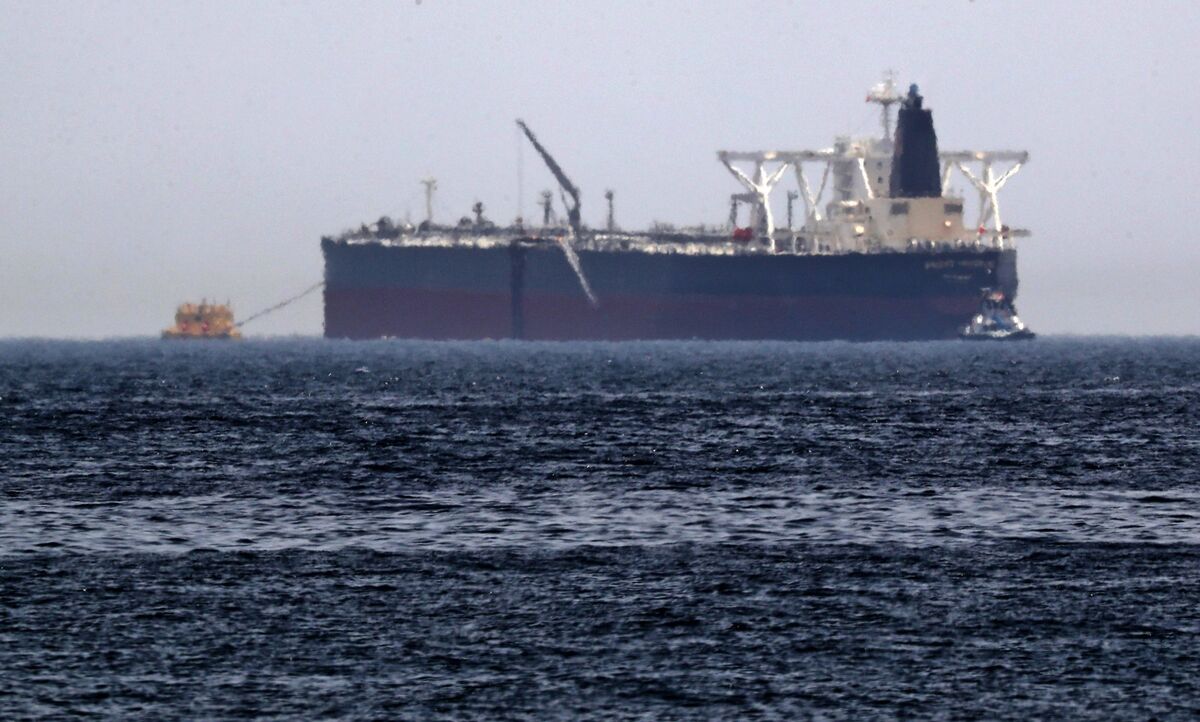
The Caspian Pipeline Consortium (CPC), which ships the bulk of Kazakhstan’s crude via Russia to the Black Sea, halted loading after mooring 2 was ‘significantly damaged’ by what the operator described as a targeted attack by unmanned boats, rendering that mooring inoperable. The outage affects one of three Black Sea moorings and could temporarily constrain seaborne exports of Kazakh crude, creating near-term logistics disruption and potential upward pressure on regional oil differentials and freight flows.
Market structure: The damage to one of CPC’s three moorings effectively removes roughly one-third of Black Sea loading capacity for Kazakh exports — conservatively up to ~300–400 kb/d of seaborne barrels at risk until repairs. That reduction tightens medium-sour supply into Mediterranean/European hubs, supporting a 3–6% near‑term uptick in Brent and widening Urals/Brent dislocations; tanker time-charter rates and front-month crude implied vol should jump first. Cross-asset: higher oil lifts commodity-sensitive equities (XLE, CVX, BP) and pressure real yields via headline inflation repricing, while energy-linked FX (NOK, CAD) should outperform; safe-haven bond inflows could temporarily rise if escalation fears spike.
Risk assessment: Tail risks include prolonged closure from repeated attacks or insurance refusals (weeks–months), escalation into wider Black Sea maritime interdiction, or retaliatory trade disruptions — each could add $5–15/bbl to Brent. Immediate (days): prompt premium and volatility; short-term (2–8 weeks): rerouting, inventory draws, higher freight; long-term (quarters): durable capex shifts to alternate pipelines/storage and higher insurance costs. Hidden dependencies: refinery slate flexibility to absorb different grades, Novorossiysk storage constraints, and marine insurance/war-risk pricing that can choke flows without physical damage.
Trade implications: Direct: buy front‑month Brent exposure via futures or BNO, or 3‑month Brent call spreads sized 1–3% portfolio for a 2–8 week play; buy tanker equities (FRO, EURN) 1–2% for a 1–3 month freight rally. Options: purchase 30–90 day ATM straddles on XLE or Brent to capture a volatility spike; set strict time stops. Sector rotation: overweight upstream (CVX, COP) and select tankers; underweight small refiners with limited crude flexibility.
Contrarian angle: The market may over-price permanence — repairs to a single mooring are often completed within 2–6 weeks, implying mean reversion risk if you buy spot strength without vol protection. Historical Black Sea disruptions show sharp 1–2 week spikes then partial fade; therefore favor option structures or call spreads over outright long cash exposure. Watch for unintended consequences: surging freight/insurance can compress refining margins and hurt regional refiners even as crude prices rise.
AI-powered research, real-time alerts, and portfolio analytics for institutional investors.
Request DemoOverall Sentiment
moderately negative
Sentiment Score
-0.40
