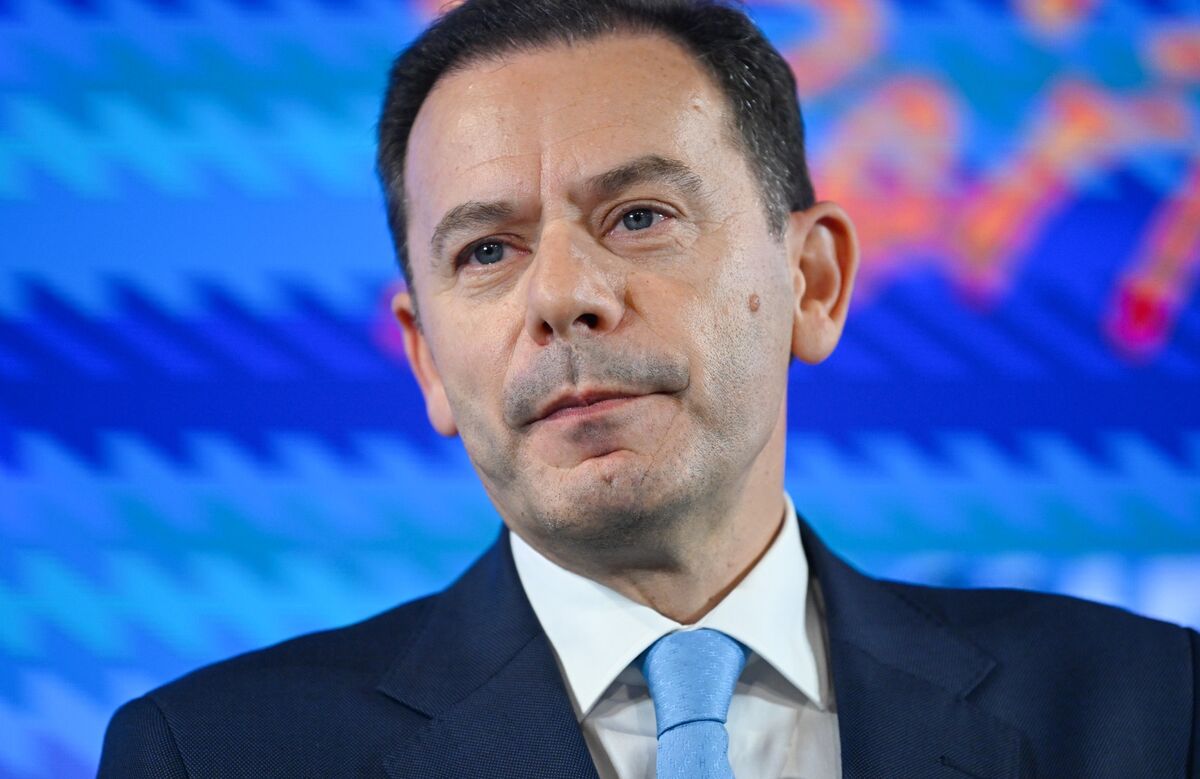
Portuguese Prime Minister Luis Montenegro reaffirmed the nation's commitment to achieving NATO's 2% of GDP defense spending target by 2025, an increase from an estimated 1.55% in 2024, while emphasizing continued fiscal discipline. This pledge comes as NATO Secretary General Mark Rutte proposes a new, substantially higher alliance-wide core defense spending goal of 3.5% of GDP, alongside an additional 1.5% for defense-related outlays, signaling a significant and sustained push for increased military expenditure among member states.
Portugal has reaffirmed its commitment to meet the NATO defense spending target of 2% of GDP by 2025, representing a notable fiscal expansion from the 1.55% estimated for 2024. This planned increase underscores a broader, accelerating trend of military investment among alliance members, which is further contextualized by the NATO Secretary General's new proposal for a significantly higher 3.5% core spending target. The Portuguese government's simultaneous pledge to maintain fiscal discipline suggests that this increased defense expenditure will likely require a significant reallocation of funds within the national budget, potentially impacting other areas of public spending. While the announcement itself has a low immediate market impact, it reinforces the theme of a sustained, multi-year rearmament cycle in Europe, driven by geopolitical imperatives. This creates a durable tailwind for the defense industry, as meeting these targets will necessitate increased procurement of military hardware and technology.
AI-powered research, real-time alerts, and portfolio analytics for institutional investors.
Request DemoOverall Sentiment
neutral
Sentiment Score
0.05
