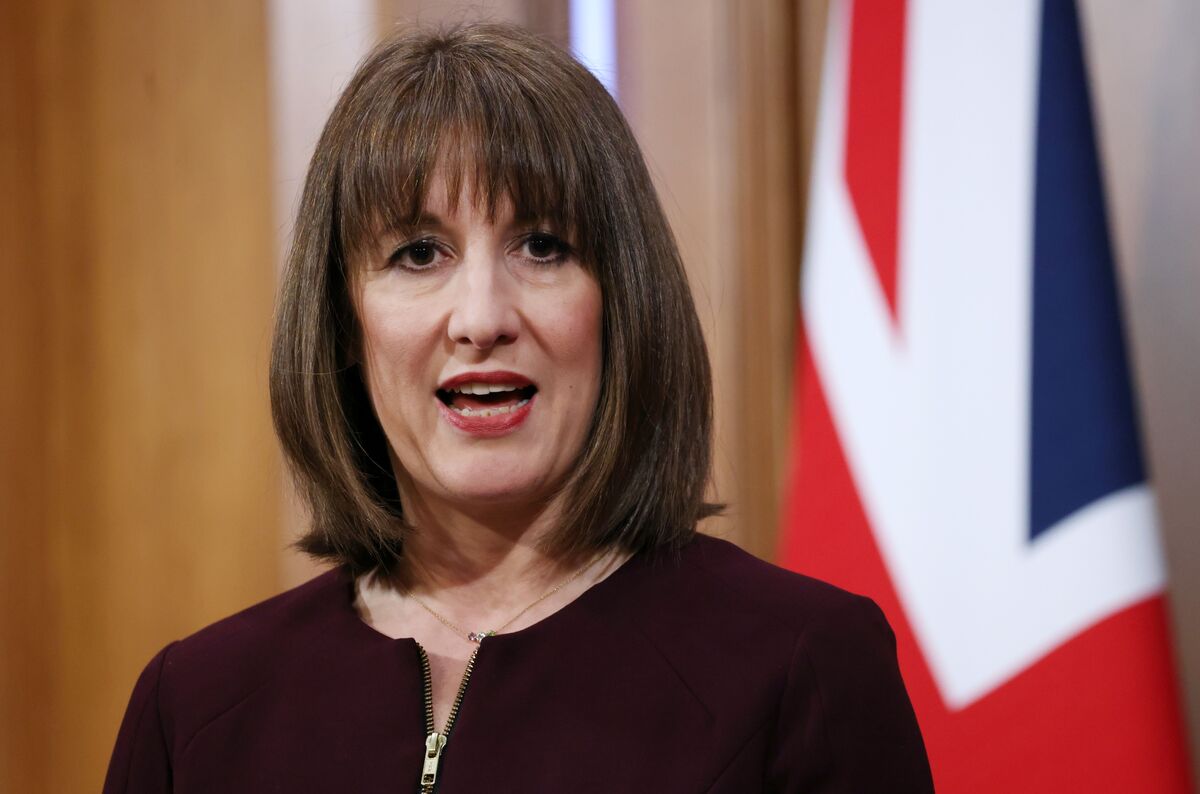
Rachel Reeves, a key Labour figure and prospective Chancellor, admitted the party had 'disappointed' the public during its previous time in government, attributing this to the necessity of making unpopular decisions inherent to the Chancellor's role. This statement could signal a pragmatic and fiscally cautious approach should Labour form the next government, potentially managing public expectations regarding future economic policy.
Rachel Reeves, a key figure in the UK's Labour party and prospective Chancellor, has publicly acknowledged that the party 'disappointed' people during its previous tenure in government. She contextualized this by stating that the role of Chancellor inherently involves making unpopular decisions. This statement is a notable piece of political positioning, likely aimed at managing public and market expectations ahead of a potential general election. By addressing past perceived failures and framing them as a consequence of necessary fiscal governance, Reeves may be signaling a more pragmatic and fiscally cautious approach for a future Labour administration. This rhetoric could be an attempt to reassure financial markets by pre-emptively committing to fiscal responsibility, moving away from perceptions of a high-spend agenda. The neutral sentiment and zero market impact score associated with this news indicate that, for now, the market views this as political discourse rather than a concrete policy shift with immediate financial implications.
AI-powered research, real-time alerts, and portfolio analytics for institutional investors.
Request DemoOverall Sentiment
neutral
Sentiment Score
0.00
