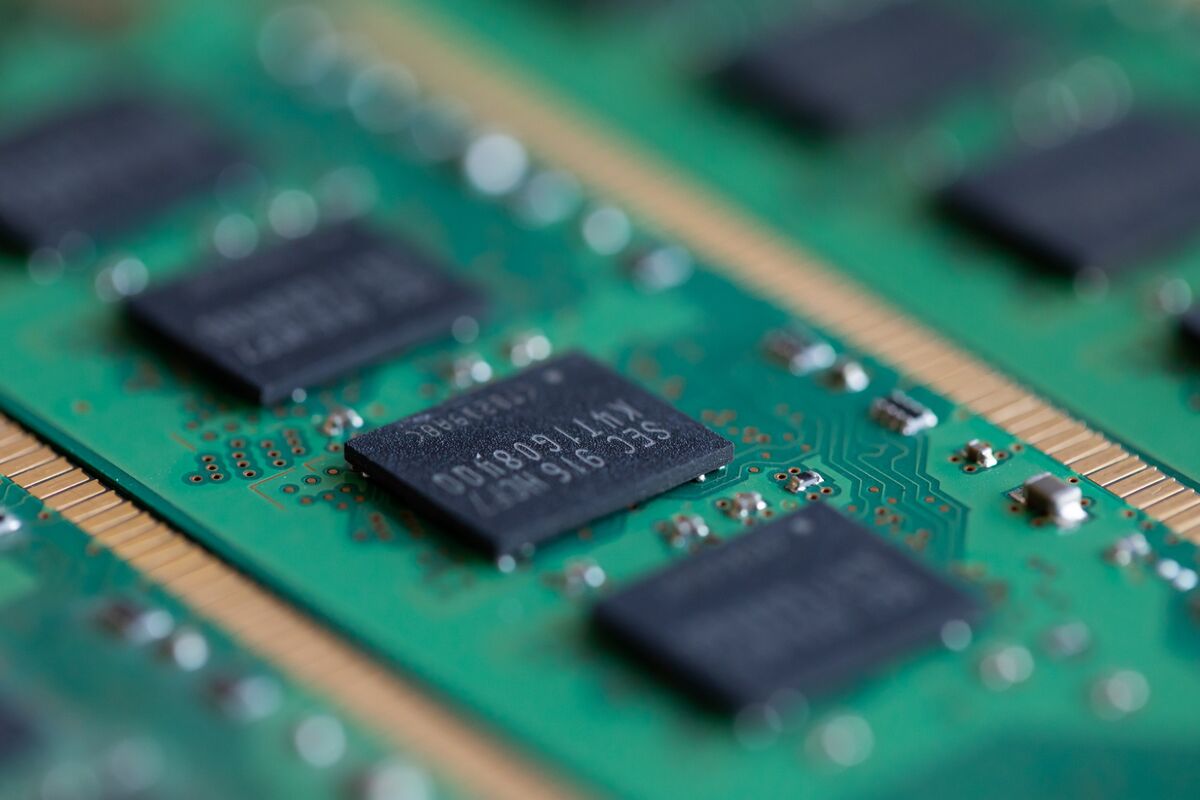
Samsung Electronics Co. and SK Hynix Inc. shares slid over 2% and 4% respectively following the US decision to revoke permits for shipping critical chip equipment to their Chinese operations. This policy change directly impacts their major production facilities in China, which contribute significantly to their global output, posing a potential blow to their semiconductor manufacturing capabilities and market position.
Samsung Electronics and SK Hynix experienced significant share price declines, falling over 2% and 4% respectively, in direct response to the US administration's decision to revoke permits for shipping critical equipment to their Chinese facilities. This policy action represents a material headwind for the world's two largest memory chipmakers, as it directly threatens production at their substantial Chinese operations, which account for a major portion of their global output. The surprise nature of the ruling introduces immediate uncertainty regarding production continuity and capital expenditure plans. While both firms have manufacturing capabilities in Korea, the potential disruption to their Chinese plants could lead to operational inefficiencies, reduced output, and a negative impact on their cost structure, posing a direct threat to their market leadership and profitability within the global semiconductor market.
AI-powered research, real-time alerts, and portfolio analytics for institutional investors.
Request DemoOverall Sentiment
strongly negative
Sentiment Score
-0.65
