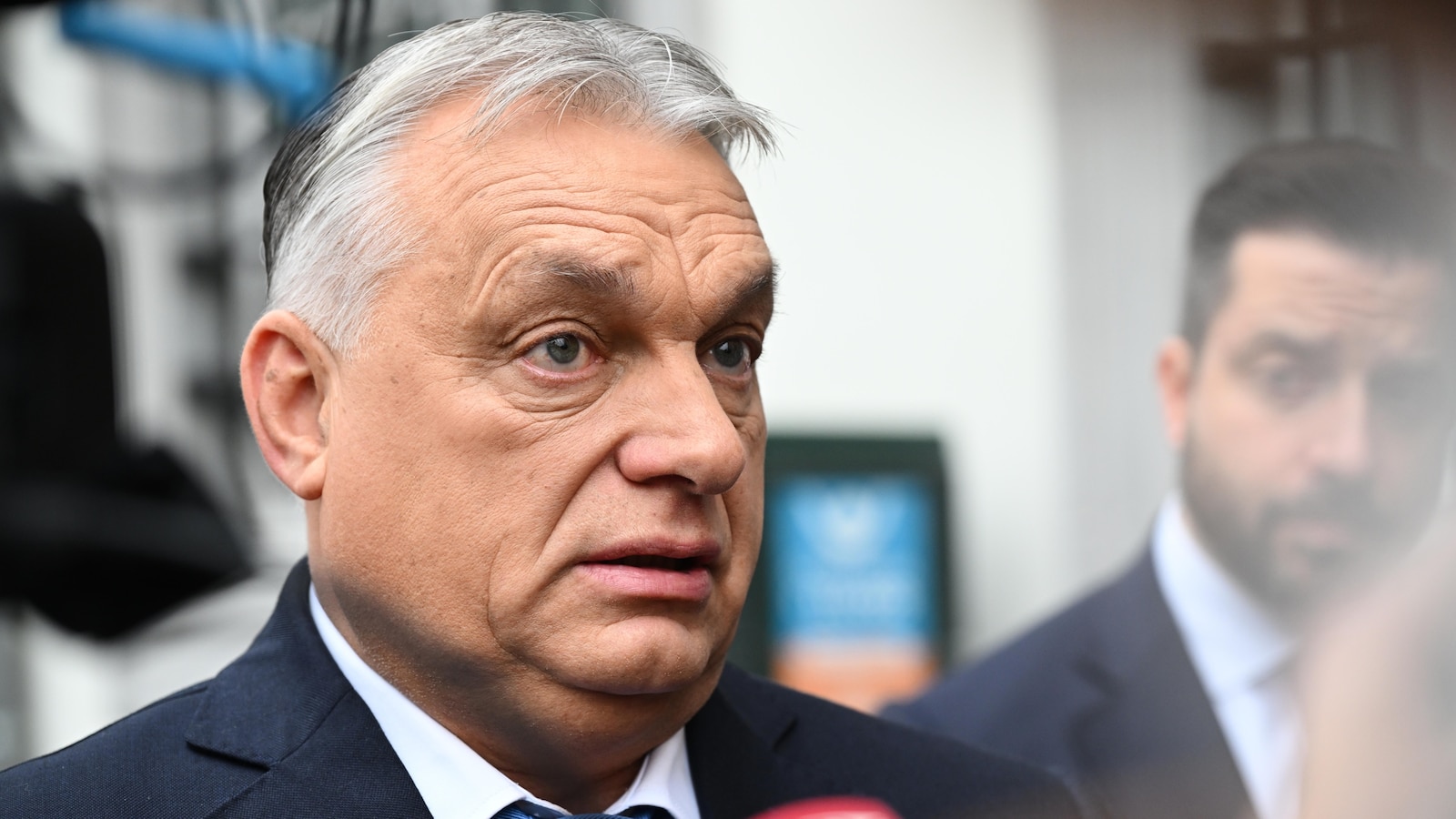
Hungary's parliamentary election is set for April 12, with Prime Minister Viktor Orbán and his Fidesz party trailing the opposition Tisza movement led by Péter Magyar in most independent polls — the toughest challenge to Orbán since 2010. Magyar has campaigned on anti-corruption, restoring judicial independence and reclaiming billions in EU funds currently frozen over rule-of-law concerns, while Fidesz portrays him as an EU-backed threat that would raise taxes and entangle Hungary in the Ukraine conflict. The formal campaign begins Feb. 21, creating a near-term political-risk window for Hungarian assets and for EU funding flows depending on the election outcome.
Market structure: An opposition (Tisza) upset would likely re‑unlock billions in frozen EU transfers and trigger a cyclical inflow into Hungarian assets — beneficiaries: banks (OTP.BU), energy/refiners (MOL.BU), construction/materials and consumer discretionary with 6–18 month upside of 20–40% vs regional peers if funds resume. If Orbán holds, expect continued political risk premia: wider HGB spreads, constrained foreign direct investment, and pressure on FX and credit spreads; exporters with euro revenues but HUF costs would gain pricing flexibility while importers suffer.
Risk assessment: Immediate (days) risk is elevated volatility around the Feb 21 campaign start and April 12 vote — expect intraday HUF swings of 3–7% and bond yield moves of ±50–150bp; short term (weeks/months) the key tail risks are EU punitive measures or re‑freezing/unfreezing of €3–15bn of transfers; long term (quarters/years) institutional changes (judiciary, media control) determine structural risk premium. Hidden dependencies include banks' exposure to FX mortgages and corporates' reliance on EU CAPEX flows; catalysts that could accelerate moves are leaked polling, televised incidents, or EU statements on funds.
Trade implications: Direct plays: sized tactical allocations (0.5–3% NAV) into Hungarian equities (OTP.BU, MOL.BU) on a >5% post‑election selloff or 6–12 month horizon if polls continue tightening; FX: enter 3–6m EUR/HUF long forward (target 3–8% move) and/or buy 1–3m EUR/HUF straddles to capture election volatility (~expect implied vol spike). Fixed income: buy protection (CDS or short HGB futures) if 10y HGB yield >150bp over Germany; avoid long duration HGBs until political clarity.
Contrarian angles: Consensus underprices rapid policy normalization — if Magyar wins and unlocks EU cash within 3–6 months, HUF could rally 5–12% and Hungarian equities rerate sharply; conversely a narrow opposition win may trigger fiscal consolidation (austerity) causing short‑term EPS risk for domestic consumption (3–6 months). Historical parallels (post‑election reversals in CEE) show 6–12 month rebounds can be larger than initial selloffs; therefore staggered entries and volatility‑selling after clarity (sell options premium 2–6 weeks post‑election) can capture mispricings.
AI-powered research, real-time alerts, and portfolio analytics for institutional investors.
Request DemoOverall Sentiment
mildly negative
Sentiment Score
-0.25
