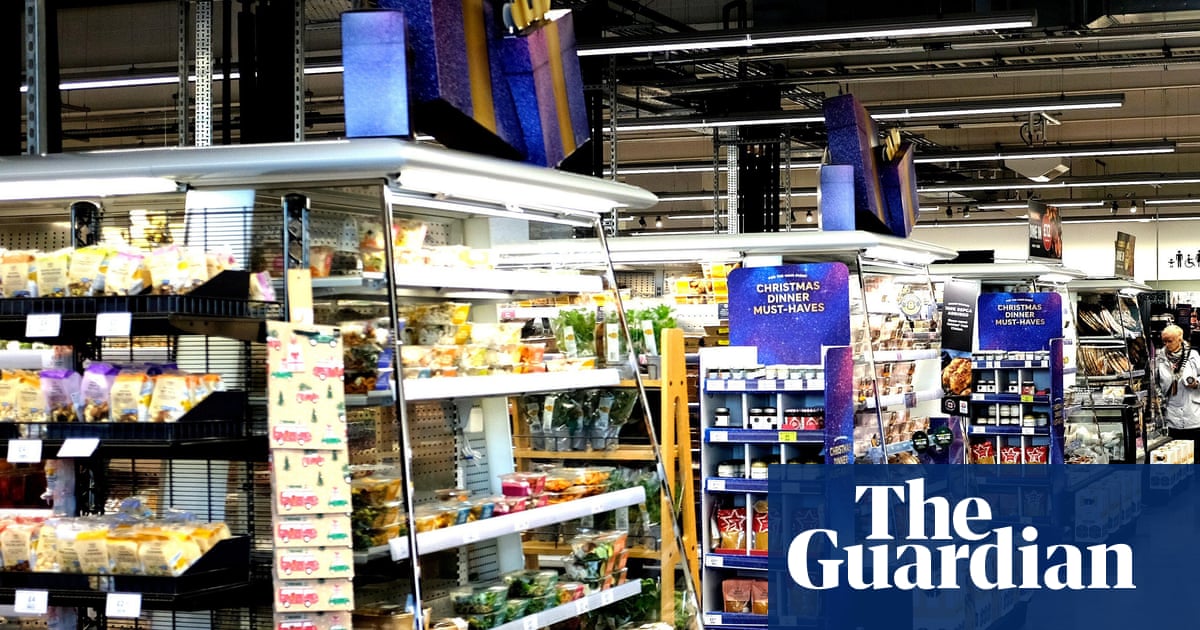
Marks & Spencer reported underlying profits down 23.8% to £671m on sales of £14.2bn, with £131.3m of cyber-incident costs and management warning that higher fuel, freight, input costs, and government tax/regulatory headwinds will hit the year ahead. M&S said it expects more than £876m of annual profit next year versus Jefferies' £964m estimate, while also planning £40m-£50m of extra packaging and national insurance-related costs. The retailer is investing in technology and 18 new food stores, but the near-term tone is pressured by taxes, regulation, and lingering cyber disruption.
The key market takeaway is that policy risk is shifting from macro noise to direct P&L pressure for UK-facing retailers, but the burden will not be evenly shared. Large incumbents with scale, private-label leverage, and sophisticated procurement can partially offset tax/regulatory friction, while smaller grocers and convenience chains are more exposed because they have less pricing power and fewer fixed-cost absorption levers. The proposed price-cap idea, even if never implemented, is still bearish for sector sentiment because it signals a willingness to intervene in retail margins, which increases the discount investors apply to forward earnings quality.
The second-order effect is that any “trade-off” between price caps and regulatory relief could actually favor the strongest operators. If packaging, labeling, or healthy-food compliance gets loosened at the margin, the retailers best positioned to exploit that are those with scale in own-brand and data-driven merchandising, not the lowest-price players. That argues for a relative-value long in high-quality grocers and a short in more valuation-sensitive or lower-margin food retail names that cannot self-fund technology, automation, and inventory optimization through a shock.
The cyber incident matters more as a catalyst than as a one-off earnings hit: the overhang is fading, but the operational scar tissue likely accelerated investment in automation and AI, which should improve medium-term margin resilience. The market may still be underestimating how much of the near-term profit disappointment is already known, versus how much of the future margin structure is now being rebuilt. The contrarian angle is that consensus may be too negative on the name because it is extrapolating last year’s disruption into the next 12 months, while underappreciating the earnings leverage once availability normalizes and capex starts paying off.
From a policy lens, the real risk is not a hard cap but a slow drip of regulatory concessions that shave 50-100bps from sector margins over 12-24 months. That is enough to matter for rerating, especially if input-cost inflation or supplier wage pass-through persists. The best reversal catalyst would be a clear government retreat from intervention rhetoric plus evidence that food inflation keeps easing, which would relieve the political pressure for retailer-specific measures.
AI-powered research, real-time alerts, and portfolio analytics for institutional investors.
Request DemoOverall Sentiment
moderately negative
Sentiment Score
-0.35
