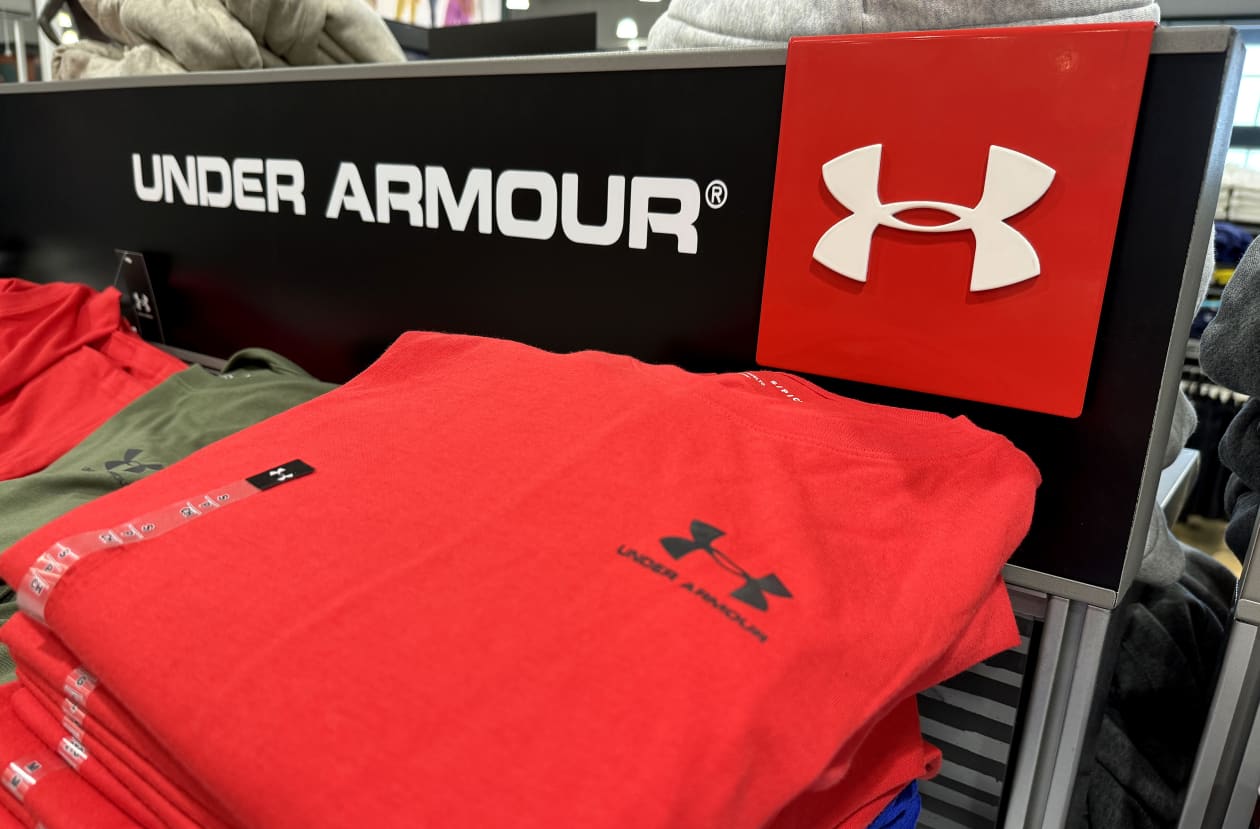
The recently announced U.S.-Vietnam trade deal, which imposes a 20% tariff on direct Vietnamese imports and 40% on transshipped goods, initially saw a lift in clothing stocks like Nike and Lululemon. However, UBS analyst Jay Sole projects a 3-5% average reduction in Wall Street's profit estimates for clothing makers, with Victoria's Secret, Under Armour, and G-III Apparel facing a more significant 12-20% impact, citing Vietnam's critical sourcing role and the increased probability of tariffs on other nations. While some analysts suggest the 20% tariff is less severe than the market's feared 25-30%, the deal underscores potential broader tariff expansion and significant supply chain challenges for companies heavily reliant on Vietnamese manufacturing.
The new U.S.-Vietnam trade deal, which establishes a 20% tariff on direct imports and a 40% tariff on transshipped goods, presents a significant headwind for the apparel and footwear sector despite an initial positive stock reaction. While the 20% rate is below the 25-30% that some market participants feared, analysis from UBS suggests a negative outlook, projecting an average 3-5% reduction in Wall Street's per-share profit estimates for the sector. The impact is highly concentrated, with firms like Victoria’s Secret & Co. (VSCO), Under Armour Inc. (UAA), and G-III Apparel Group (GIII) facing potential EPS estimate cuts of 12% to 20% due to their vulnerability. This risk is amplified by the sector's heavy reliance on Vietnam as a key manufacturing hub, which has grown in importance as companies diversified away from China. Specific sourcing exposures are notable, with On Holding (ONON) at approximately 90%, Deckers Outdoor Corp. (DECK) at 75%, and Nike (NKE) at 42%. UBS further cautions that the deal increases the probability of future tariff hikes on other countries, suggesting broader supply chain complications and margin pressures lie ahead, particularly for athletic footwear brands for whom sourcing diversification is difficult.
AI-powered research, real-time alerts, and portfolio analytics for institutional investors.
Overall Sentiment
Negative
Sentiment Score
-0.60
Ticker Sentiment
