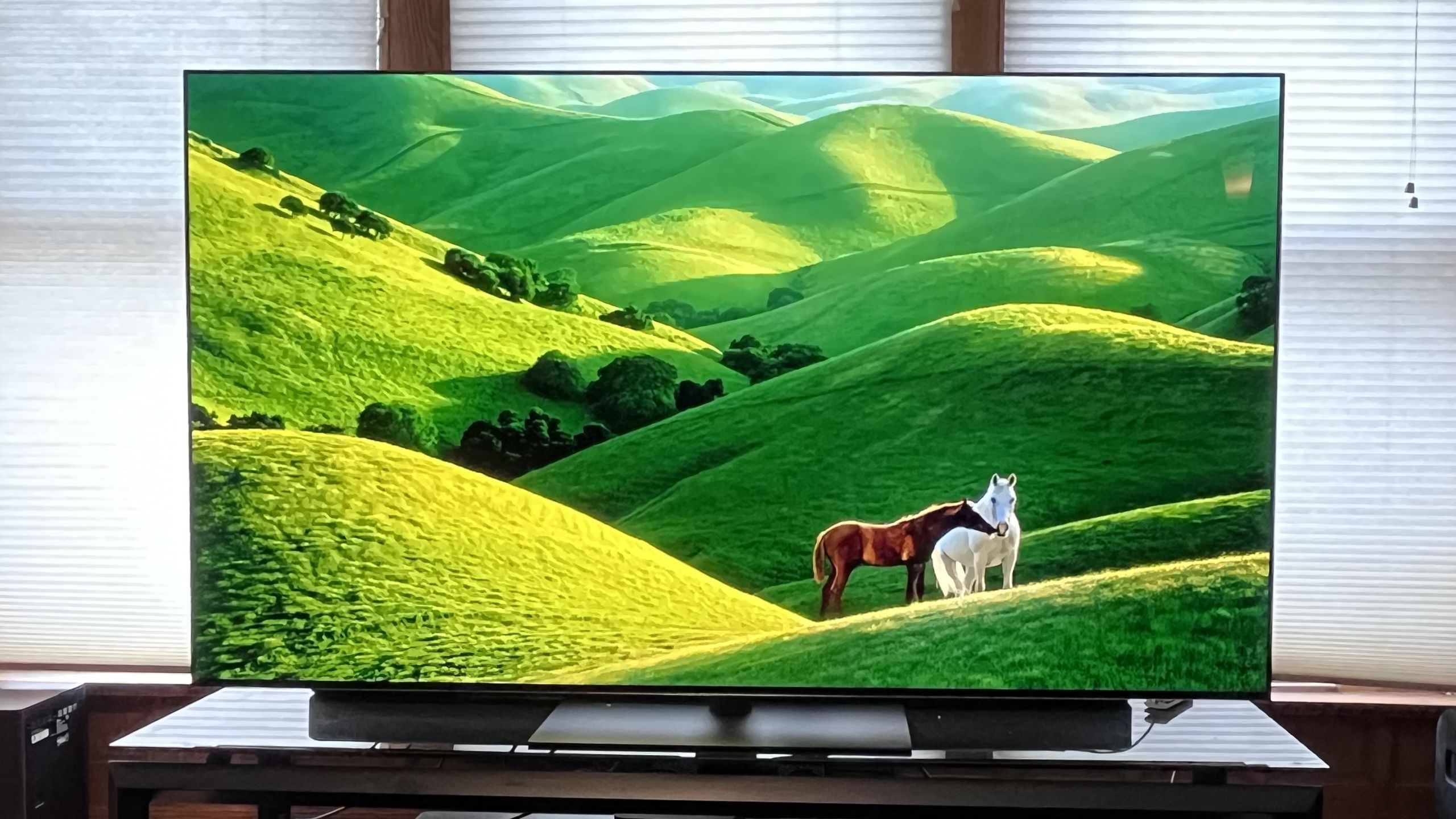
LG Display is rebranding its panels ahead of CES 2026, splitting offerings into 'Tandem WOLED' (white-enhanced WOLED for TVs/monitors) and 'Tandem OLED' (RGB-based panels for mid-sized devices), and is teasing a next‑gen Primary RGB Tandem 2.0 that it says will raise brightness for 2026 models. The teaser highlights multiple gaming/monitor panels — notably a curved 39-inch 5K (5120x2160), a high‑ppi 27-inch UHD/4K '27U', and a 27Q 540Hz 1440p panel with dual‑mode 720Hz — and reiterates up to ~1,500 nits peak brightness claims. These developments signal incremental product- and specification-led competition with rivals such as Samsung Display and could influence display-market positioning at CES, but contain no financial metrics or immediate earnings impact.
Market structure: LG Display (LGD/ADR: LPL; 034220.KS) and OLED-material suppliers (Universal Display, OLED) are the immediate winners — Tandem WOLED 2.0 targeting ~1,500 nits and gaming/monitor segments can support ASP premium of ~5–10% and higher mix of >30" high-margin panels by H2 2026. Competing display suppliers (Samsung Display/Samsung Electronics 005930.KS) and low-cost TV OEMs face pressure to match brightness or concede premium share, compressing LCD/mini‑LED pricing over 12–24 months. OEMs with strong premium branding (LG Electronics 066570.KS, Panasonic 6752.T) gain distribution leverage; commodity TV producers see margin erosion.
Risk assessment: Tail risks include yield shortfalls (initial Tandem 2.0 yields <60%), supply-chain bottlenecks for HTLs/ETLs or TFE encapsulation, and a CES demo flop causing a >20% markdown in expectations within days. Immediate window: CES 2026 (weeks) will drive sentiment; short-term (3–6 months) depends on initial OEM orders; long-term (12–36 months) depends on fab CAPEX and material licensing. Hidden dependencies: royalty flows to OLED material licensors (OLED) and fab utilization rates drive profitable leverage more than panel counts.
Trade implications: Direct plays — long LPL and OLED exposure; use 6–12 month call spreads to limit capital while capturing upside from material royalties and ASP lift. Pair trade — long premium-panel suppliers (LPL) vs short lower-margin TV OEMs or legacy LCD suppliers (non-Korean Chinese OEMs) to hedge panel-cycle risk. Options: buy disciplined call spreads into CES, size 1–3% portfolio per trade, stop-loss 10–12%.
Contrarian angles: Consensus assumes brightness alone wins share — but if yields lag or QD‑OLED/QLED improves, adoption could be delayed 12–24 months; that would make LPL upside overstated and benefit vertically integrated Samsung. Also, faster-than-expected adoption in gaming monitors (27"–39") could re-rate niche monitor vendors (ASUSTeK, 2357.T) — a mispriced micro-cap opportunity. Monitor for order wins, published OEM panel commitments, and materials licensing announcements within 30 days post-CES.
AI-powered research, real-time alerts, and portfolio analytics for institutional investors.
Request DemoOverall Sentiment
mildly positive
Sentiment Score
0.25
Ticker Sentiment
