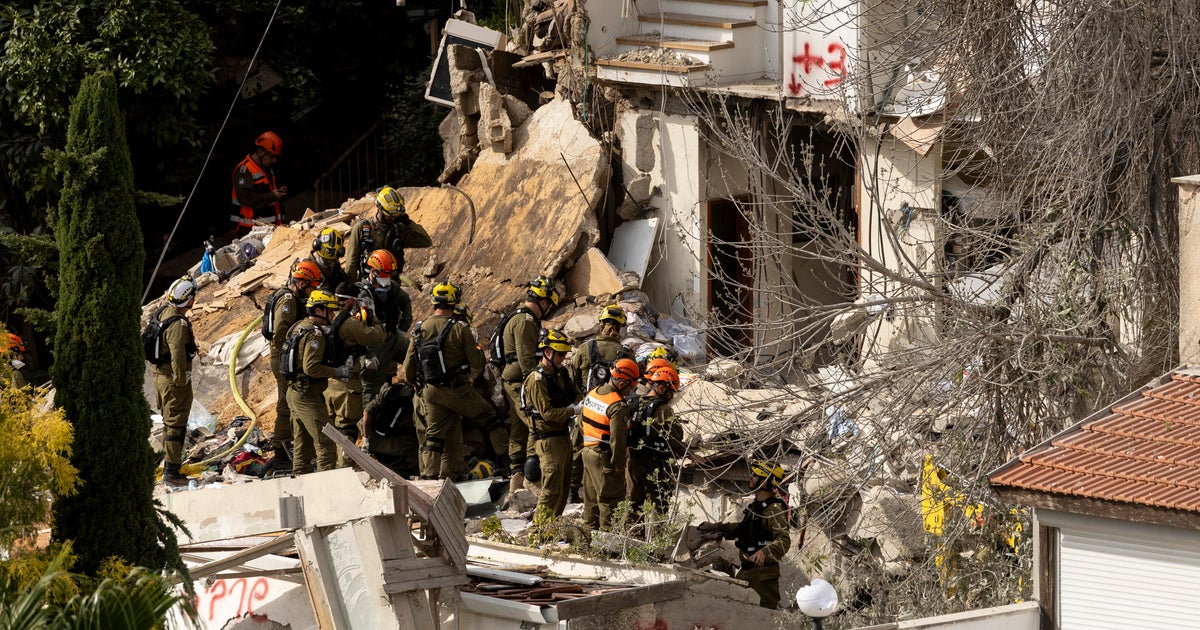
Pakistan's 45-day ceasefire proposal is under active consideration by Washington and Tehran even as President Trump set a Tuesday deadline and threatened to destroy Iran's civilian power plants and bridges if no deal is reached. Escalation risk is elevated after U.S.-Israeli strikes killed Iran's IRGC intelligence chief and more than 25 people, and Iran's missile/drone retaliation has hit Israel and Gulf states, threatening the Strait of Hormuz — the chokepoint that handles roughly a fifth (~20%) of global seaborne oil — raising the probability of sustained oil-price spikes and supply disruptions. Expect a market-wide risk-off reaction: higher oil and insurance premia, wider regional risk spreads, safe-haven flows, and increased volatility for EM and energy-exposed assets; consider trimming exposure to logistics/transport chokepoints and positioning for commodity-driven volatility.
The market is pricing a non-linear shock to Middle East energy throughput and maritime insurance costs; if transit frictions persist more than 2–4 weeks we should expect an Asia/Europe crude time premium to widen 15–30% versus U.S. inland grades and push refined product cracks higher for coastal refiners. Beyond headline oil moves, expect petrochemical intermediates (naphtha, LPG) to spike first, squeezing integrated chemical margins and triggering upstream turnarounds where feedstock becomes uneconomic within 30–90 days.
Logistics math is an underappreciated amplifier: rerouting around the Cape adds ~7–10 days roundtrip and ~5–8% additional fuel burn per voyage, which combined with war-risk surcharges (historically able to triple voyage costs in prior Gulf disruptions) can flip thin liner and tanker margins into losses within a single quarter. That dynamic creates acute working capital pressure for Asian importers and forces drawdowns of inventories, which will show up as retail cost-push inflation in 1–2 months, complicating central bank forward guidance.
Defense and insurance incumbents are the obvious beneficiaries; demand for missile defense, ISR, and logistics support lifts orderbooks with 6–18 month visibility, while P&L of shipping, commodity trading houses, and regional airlines face immediate downside and higher financing spreads. Key tempo risks: diplomatic ceasefire within 48–72 hours produces a sharp mean-reversion in oil and freight (days), whereas damage to civilian energy/infrastructure or a prolonged blockade embeds structural cost increases for years and elevates sanction complexity that slows trade finance.
The highest-probability market mistake is binary framing: prices will oscillate between event-driven spikes and rapid snapbacks. That favors option structures and calendar arbitrage over naked directional exposure; a negotiated settlement is the single largest downside catalyst to current risk premia and could unwind 50–80% of short-term moves within a week.
AI-powered research, real-time alerts, and portfolio analytics for institutional investors.
Request DemoOverall Sentiment
strongly negative
Sentiment Score
-0.85
