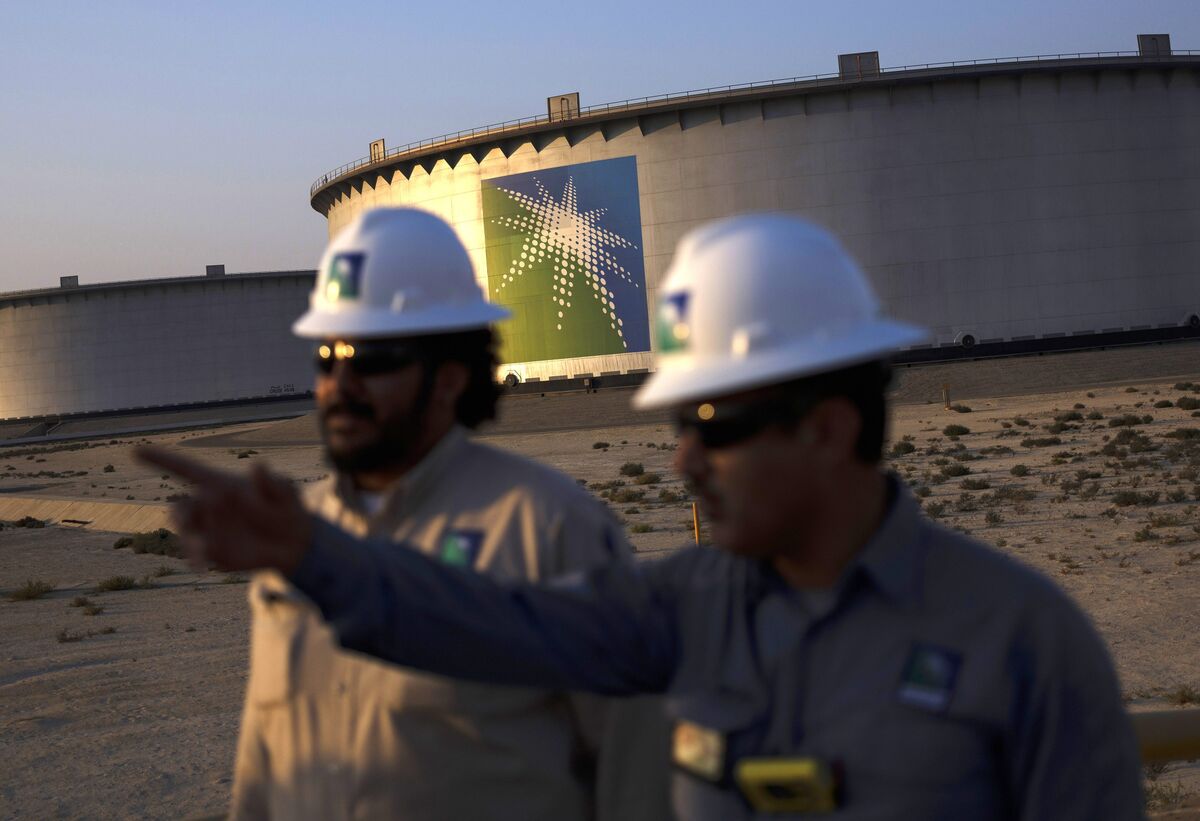
Saudi Arabia significantly exceeded its OPEC+ crude oil production quota last month, raising output by approximately 700,000 barrels per day to 9.8 million bpd, with about 70% of the additional supply exported. This rare breach, occurring amidst heightened geopolitical tensions between Israel and Iran and a surge in Persian Gulf exports, is particularly notable given Riyadh's historical role in enforcing OPEC+ compliance among members.
Saudi Arabia has materially deviated from its established role as the enforcer of OPEC+ production discipline by increasing its crude output by approximately 700,000 barrels per day to 9.8 million bpd, a significant breach of its quota. According to the International Energy Agency, this surge in production, with about 70% of the additional volume directed towards exports, coincided with heightened geopolitical conflict between Israel and Iran. This action suggests a potential short-term strategic pivot by Riyadh, possibly aimed at preemptively calming markets or securing supply flows amid escalating regional tensions. The move introduces significant uncertainty regarding the cohesion of the OPEC+ alliance and its future ability to manage global oil supply, especially given that Saudi Arabia has historically reprimanded other members for overproduction. The high market impact score of 0.75 underscores the gravity of this development for global energy markets, despite the neutral sentiment which reflects the ambiguity of the Kingdom's motives.
AI-powered research, real-time alerts, and portfolio analytics for institutional investors.
Request DemoOverall Sentiment
mixed
Sentiment Score
0.00
