
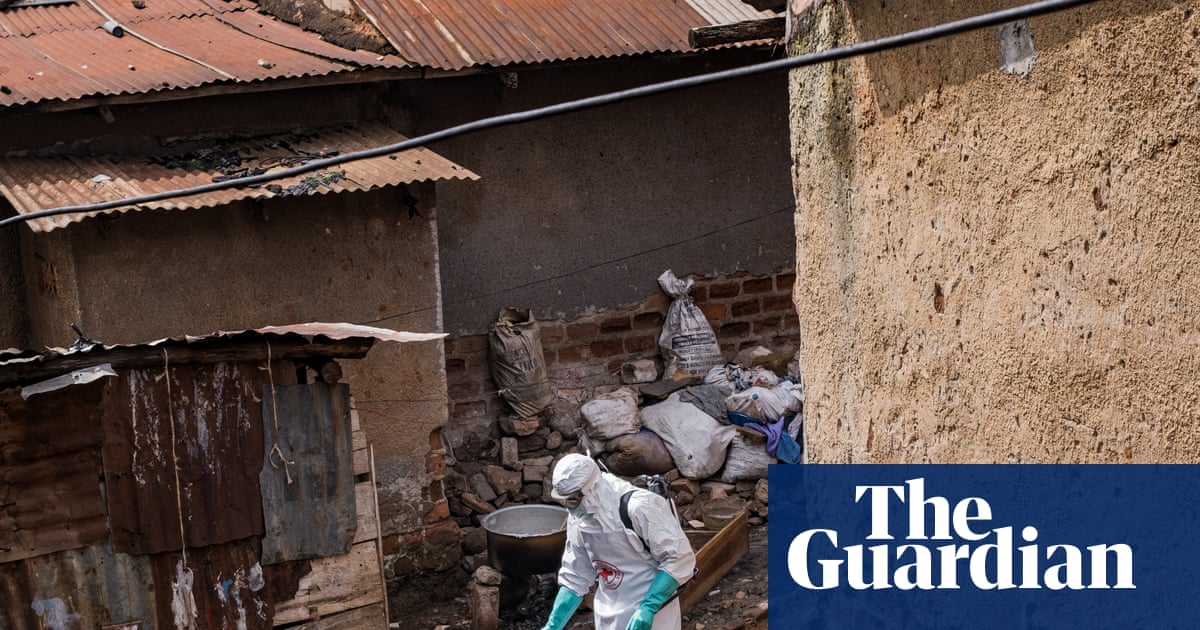
Ebola has killed at least 240 people in eastern DRC since the outbreak began in Ituri province, with cases now spreading to other parts of eastern DRC and Kampala in Uganda. Public health officials say containment is being hampered by conflict, weak medical infrastructure, community distrust, and large cuts to humanitarian aid, including US foreign assistance to the DRC falling from $1.4bn in 2024 to $21m so far this year. The WHO has declared the outbreak a public health emergency of international concern, and officials warn the response will take months.
This is less a single-country health story than a stress test for fragile-state logistics. The first-order market impact is limited, but the second-order effect is that every weak-link system around the outbreak gets repriced: air travel into the region, mining-site operations, NGO contractors, and local insurers/transport providers that already operate with thin margins and poor visibility. The biggest operational risk is not the virus alone but the combination of conflict, population displacement, and degraded public-health infrastructure, which turns containment into a months-long surveillance problem rather than a weeks-long medical one.
The underappreciated implication is that aid cuts create a compounding risk premium for frontier exposure. When response capacity is stripped out, the probability distribution shifts toward larger tail events: longer quarantines, more border friction, and episodic shutdowns of work sites in mineral-rich provinces. That matters for copper, cobalt, and gold supply chains even if the outbreak never becomes a global public-health crisis, because traders tend to discount “contained locally” only after labor absenteeism, transport disruption, and community resistance have already impaired throughput.
For public markets, the cleanest expression is not a direct Ebola trade but a hedged beta short against eastern-Africa exposure. Airlines and travel names with meaningful Africa regional exposure can see modest but sharp booking softness if governments tighten entry rules or if fear spreads faster than cases. The contrarian point: the market may overreact to headline fatality rates while underpricing how quickly modern outbreak response can be rebuilt if donors move fast; the real catalyst is funding, not the case count, over the next 2-8 weeks.
AI-powered research, real-time alerts, and portfolio analytics for institutional investors.
Request TrialOverall Sentiment
strongly negative
Sentiment Score
-0.85
Ticker Sentiment
