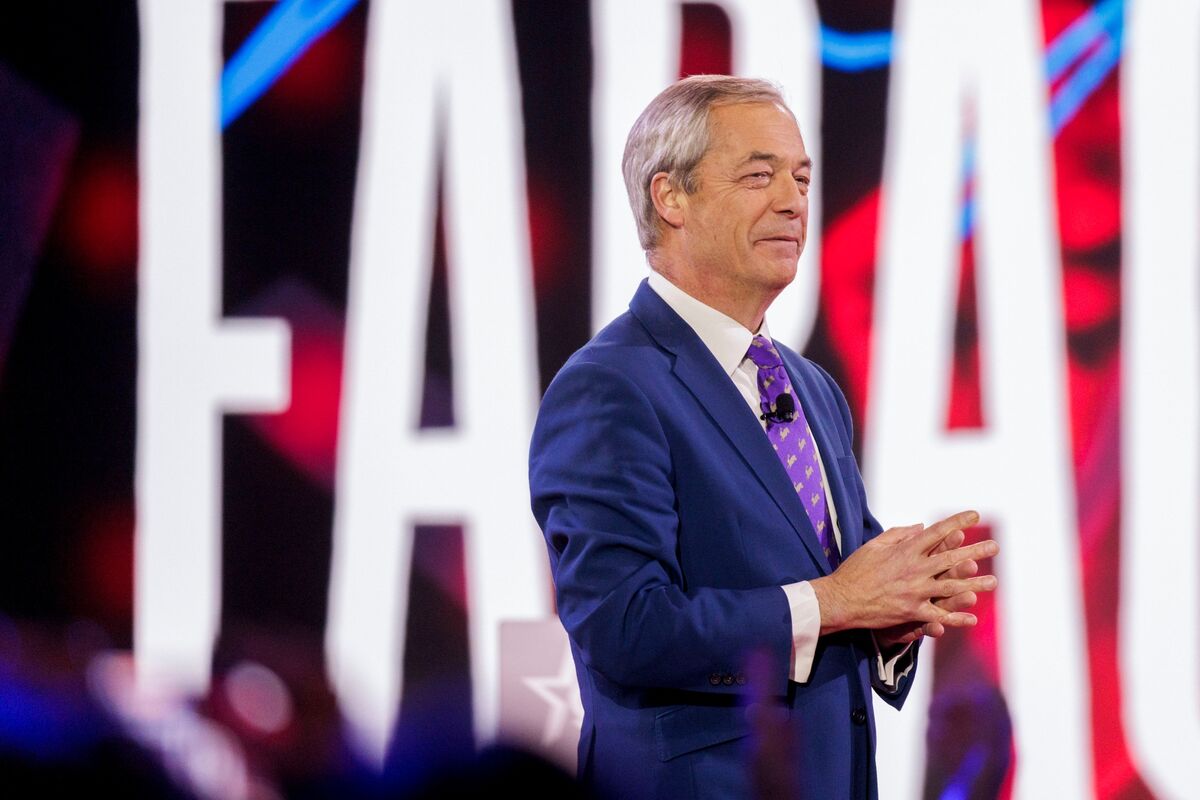
The rise of Nigel Farage's Reform UK party is challenging the Bank of England's independence, a move that echoes similar challenges to central bank independence seen globally and mirroring Donald Trump's criticism of the US Federal Reserve. This challenges the long-held consensus that BOE independence has been successful in controlling inflation since its inception nearly three decades ago. Farage's vocal criticism raises concerns about potential political interference in monetary policy should his party gain influence.
The ascent of Nigel Farage’s Reform UK party in opinion polls introduces a significant political risk to the United Kingdom's established monetary policy framework. For nearly three decades, the Bank of England's (BOE) operational independence has been a cornerstone of its inflation-fighting credibility, a consensus that now appears to be fracturing. The strongly negative sentiment score of -0.65 and a high market impact score of 0.7 underscore that market participants view this development as a material threat. Farage’s criticism of the BOE, which mirrors Donald Trump’s posture towards the US Federal Reserve, signals a potential shift towards political influence over interest rate decisions. This challenge to central bank independence could undermine investor confidence, potentially leading to higher inflation expectations and a greater risk premium being demanded on UK assets.
AI-powered research, real-time alerts, and portfolio analytics for institutional investors.
Request DemoOverall Sentiment
strongly negative
Sentiment Score
-0.65
