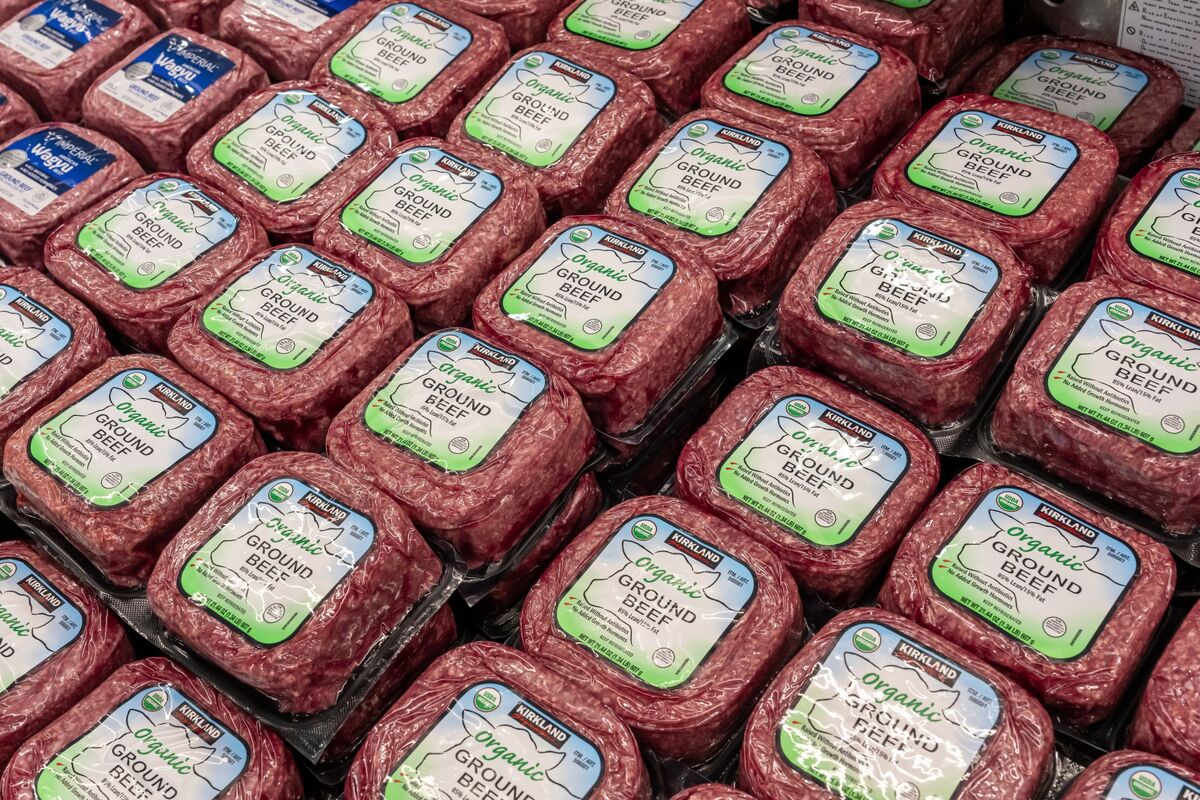
The U.S. beef market is experiencing significant price inflation driven by robust consumer demand, with Americans being the world's largest red meat consumers, juxtaposed against a critical supply shortage stemming from shrinking cattle herds. This imbalance indicates sustained upward pressure on beef prices and potential implications for food sector inflation and agricultural commodity markets.
The U.S. beef market is currently experiencing significant price inflation, driven by a fundamental imbalance between robust consumer demand and constrained supply. Americans are identified as the world's largest consumers of red meat, indicating strong underlying demand that continues to outstrip availability.
This high demand is juxtaposed against a critical supply shortage, primarily stemming from shrinking cattle herds. This supply-demand mismatch has directly resulted in soaring beef prices, signaling sustained upward pressure on this key agricultural commodity.
The situation carries broader implications for the food sector, suggesting potential for wider food inflation. Investors should recognize this as a moderately negative development within agricultural commodity markets, warranting a cautious outlook due to its significant market impact.
AI-powered research, real-time alerts, and portfolio analytics for institutional investors.
Request DemoOverall Sentiment
moderately negative
Sentiment Score
-0.50
