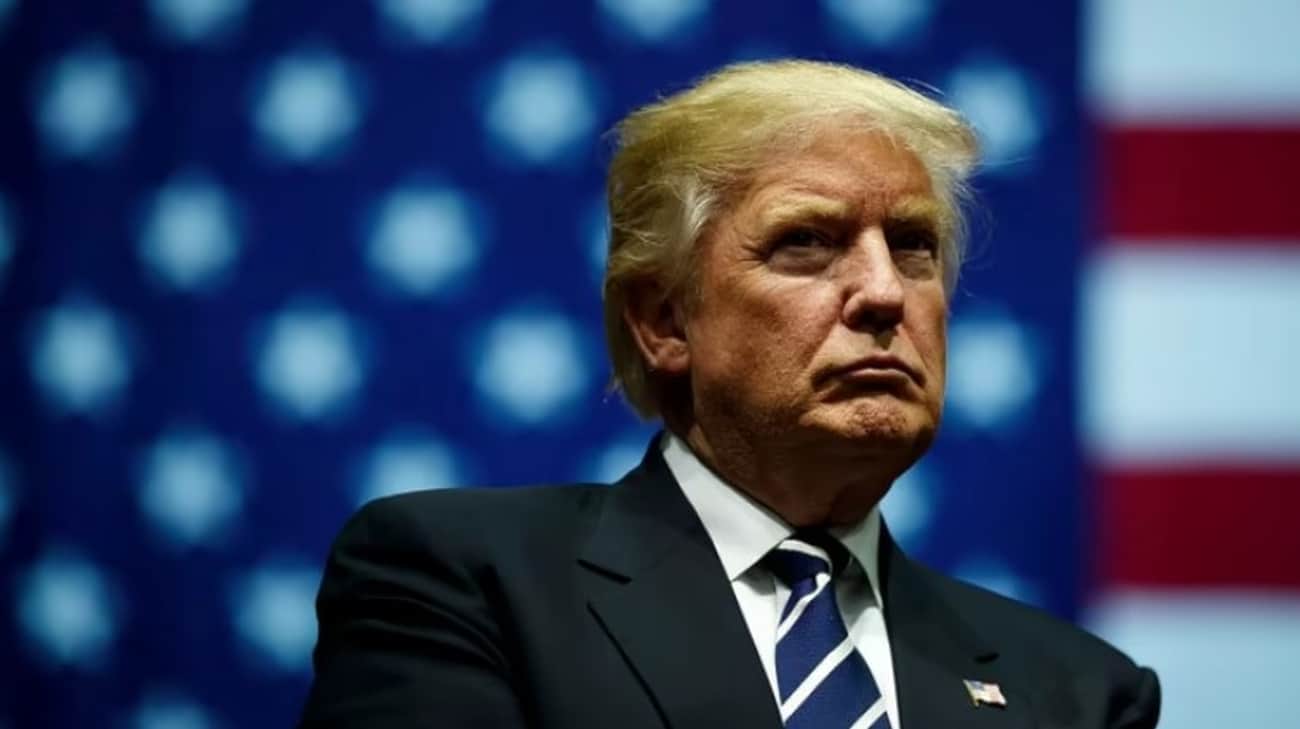
The Trump administration is reportedly planning to redirect up to $250 million in foreign aid to fund the voluntary repatriation of refugees, including Ukrainians and Haitians granted Temporary Protected Status, back to their home countries. Documents indicate this plan, developed before a recent DHS announcement of $1,000 incentives for voluntary returns, targets individuals who fled dangerous regions, potentially bypassing the IOM, and aligns with broader efforts to reduce foreign aid. While DHS has called the documents "outdated", an agreement outlining the same procedure and funding amount was signed last week, raising concerns about the legality and ethics of repurposing aid intended for refugees.
The Trump administration is reportedly advancing a plan to reallocate up to US$250 million, initially designated for foreign aid, towards funding the voluntary repatriation of refugees, including substantial populations of Ukrainians and Haitians who were previously granted Temporary Protected Status. This initiative, detailed in documents from late April to early May and reportedly corroborated by a recent Department of Homeland Security (DHS) and State Department agreement outlining the same US$250 million procedure, aims to incentivize returns, potentially affecting over 200,000 Ukrainians and 500,000 Haitians, among other nationalities from conflict zones such as Afghanistan, Libya, and Syria. The plan is noteworthy for its intention to bypass the International Organization for Migration (IOM), which the documents state does not support returns to these specified volatile countries, and aligns with broader administration efforts to curtail foreign aid, including significant proposed cuts to USAID programmes. Despite DHS characterizing the initial documents as 'outdated,' the subsequent inter-agency agreement underscores the plan's continued consideration, raising significant concerns among critics regarding its legality, humanitarian implications, and consistency with traditional American values, contributing to a negative sentiment and pessimistic tone surrounding the policy.
AI-powered research, real-time alerts, and portfolio analytics for institutional investors.
Overall Sentiment
Negative
Sentiment Score
-0.30
