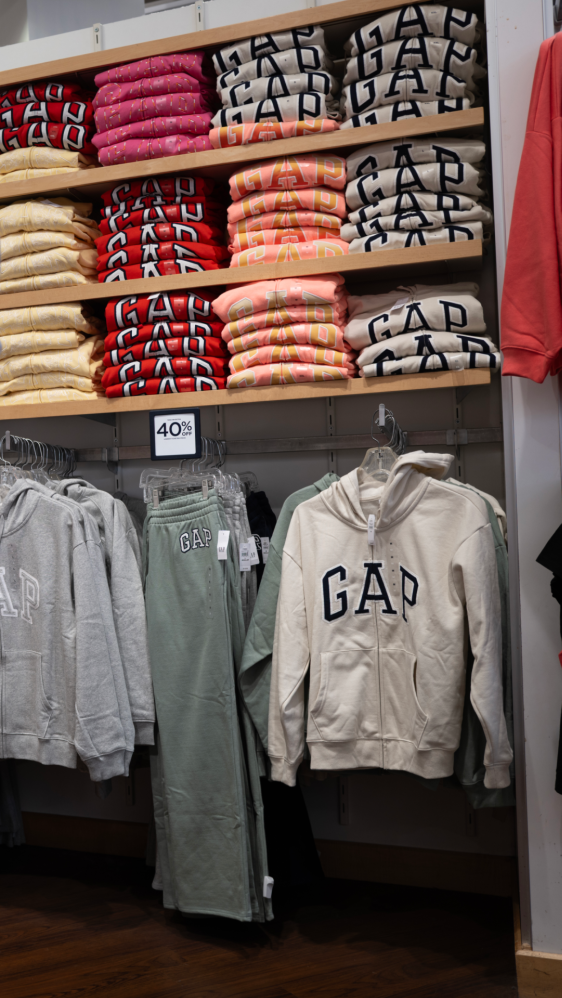
Retailer Gap, which has been "on the precipice of death for years," had recently built momentum for a comeback. However, this nascent recovery is now reportedly threatened by the impact of tariffs, according to Bloomberg. This development underscores how macroeconomic factors can quickly impede corporate turnaround efforts.
The Gap, Inc. (GAP) faces a significant external headwind that threatens its recent operational turnaround. After a prolonged period described as being "on the precipice of death for years," the retailer had finally started to build positive momentum for a comeback. However, this nascent recovery is now jeopardized by the introduction of tariffs. This development underscores the vulnerability of apparel retailers to macroeconomic and trade policy shifts, as such external shocks can quickly disrupt fragile recovery narratives by potentially compressing margins or forcing price increases that could stifle consumer demand. The strongly negative sentiment signal (-0.75 for GAP) reflects the market's concern that these tariffs could derail the company's progress and stall the fundamental improvements it had begun to demonstrate.
AI-powered research, real-time alerts, and portfolio analytics for institutional investors.
Request DemoOverall Sentiment
strongly negative
Sentiment Score
-0.65
Ticker Sentiment
