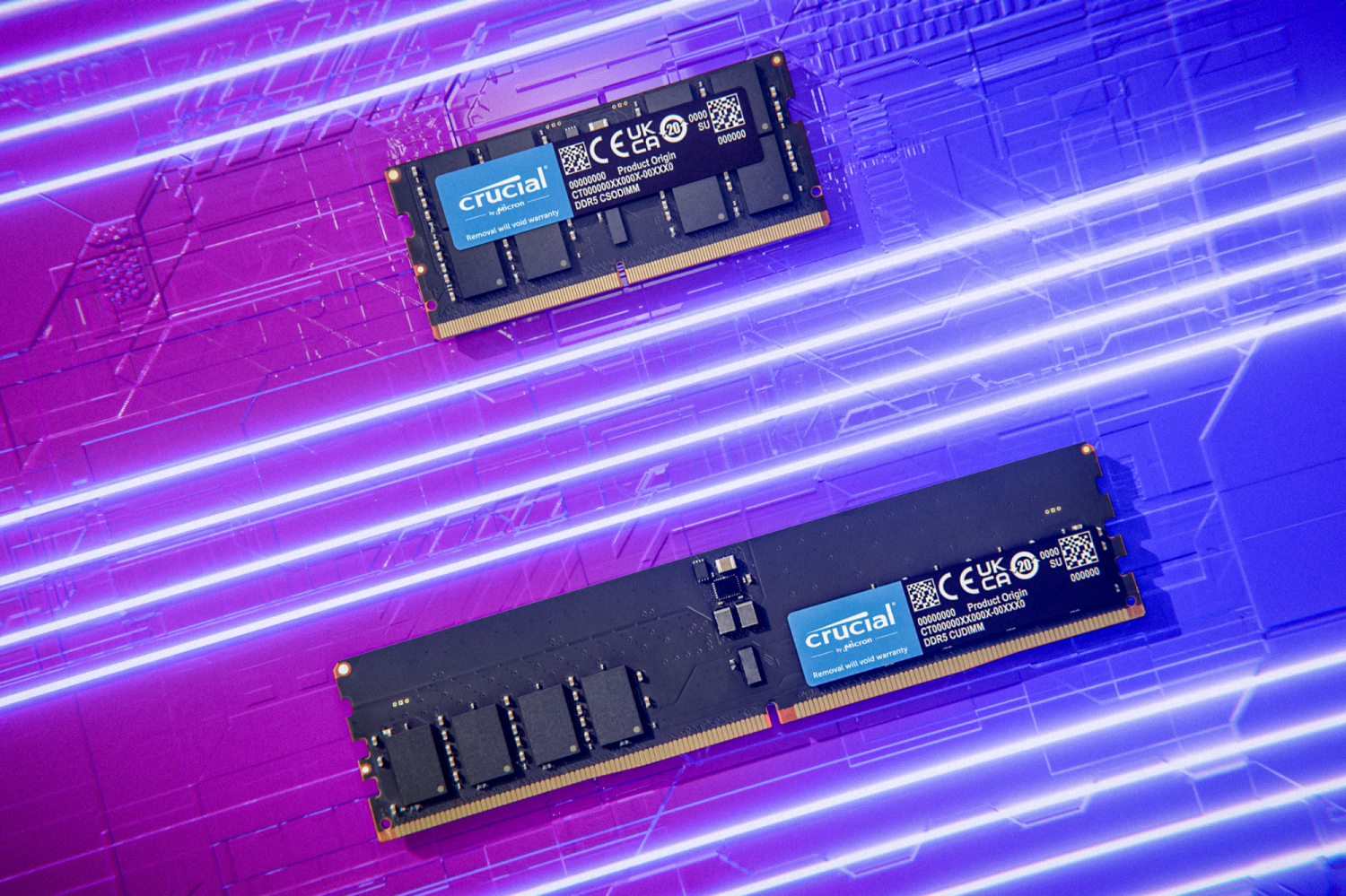
Micron reported record fiscal Q1 revenue of $13.64 billion, up ~57% year‑over‑year with significant margin expansion driven by higher pricing and robust AI data‑center demand. CEO Sanjay Mehrotra warned DRAM supply constraints will persist beyond calendar 2026, saying Micron expects to meet only about half to two‑thirds of demand despite capacity expansions (Idaho fabs coming online mid‑2027; NY fab planned with production around 2030) and multi‑year customer commitments. HBM demand is a key growth driver, with Micron forecasting a $100 billion HBM TAM by 2028, while constrained supply is supporting elevated DDR5 pricing. Investors should weigh strong near‑term revenue and pricing power against longer‑term capacity limits and customer supply concerns.
Market structure: Memory suppliers (Micron/MU, Samsung, SK Hynix) are the immediate beneficiaries — they gain pricing power and multi-year contract leverage as DRAM/HBM supply meets only 50–66% of key-customer demand per Micron. End markets that rely on commodity DRAM (DIY PC upgrades, low-margin phone vendors) are losers due to stretched spot supply and 50–200%+ DDR5 price inflation risk over the next 6–18 months. Capital intensity rises: expect capex-led winner-take-most dynamics favoring large incumbents with existing fabs and customer ties.
Risk assessment: Tail risks include a sharp demand pullback (AI capex slowdown) within 6–12 months that crashes spot DRAM prices, or heavy government subsidies/capacity coordination that resets economics by 2028–2030. Hidden dependencies: memory vendors depend on a narrow supplier base for specialized tools/materials and on a handful of hyperscalers; multi-year contracts could concentrate counterparty risk. Catalysts that could reverse the trend: large new capacity online (Mid-2027 Idaho + 2030 NY) or sudden decline in AI server orders.
Trade implications: Constructive on large-cap memory producers for 6–24 months. Prefer directional exposure via 9–15 month call spreads on MU or SK Hynix to capture elevated margins while capping premium; offset with small (25–50bps) long-tail protection (puts). Avoid exposure to consumer OEMs and aftermarket DRAM resellers; consider short sleeve (or underweight) HPQ/PC OEMs for 3–12 months if DDR5 spreads widen further.
Contrarian angles: Market may underprice the risk of eventual overcapacity by 2028–2030 as fabs come online; the current premium can compress quickly if capex execution accelerates. Also, HBM’s outsized wafer-area consumption (3x DDR5) means HBM shortages can persist even if DDR5 eases — favor HBM-focused memory names over commodity DRAM-only plays. History shows DRAM cycles flip from super-normal margins to painful oversupply within 18–36 months; size positions accordingly.
AI-powered research, real-time alerts, and portfolio analytics for institutional investors.
Request DemoOverall Sentiment
mildly positive
Sentiment Score
0.25
Ticker Sentiment
