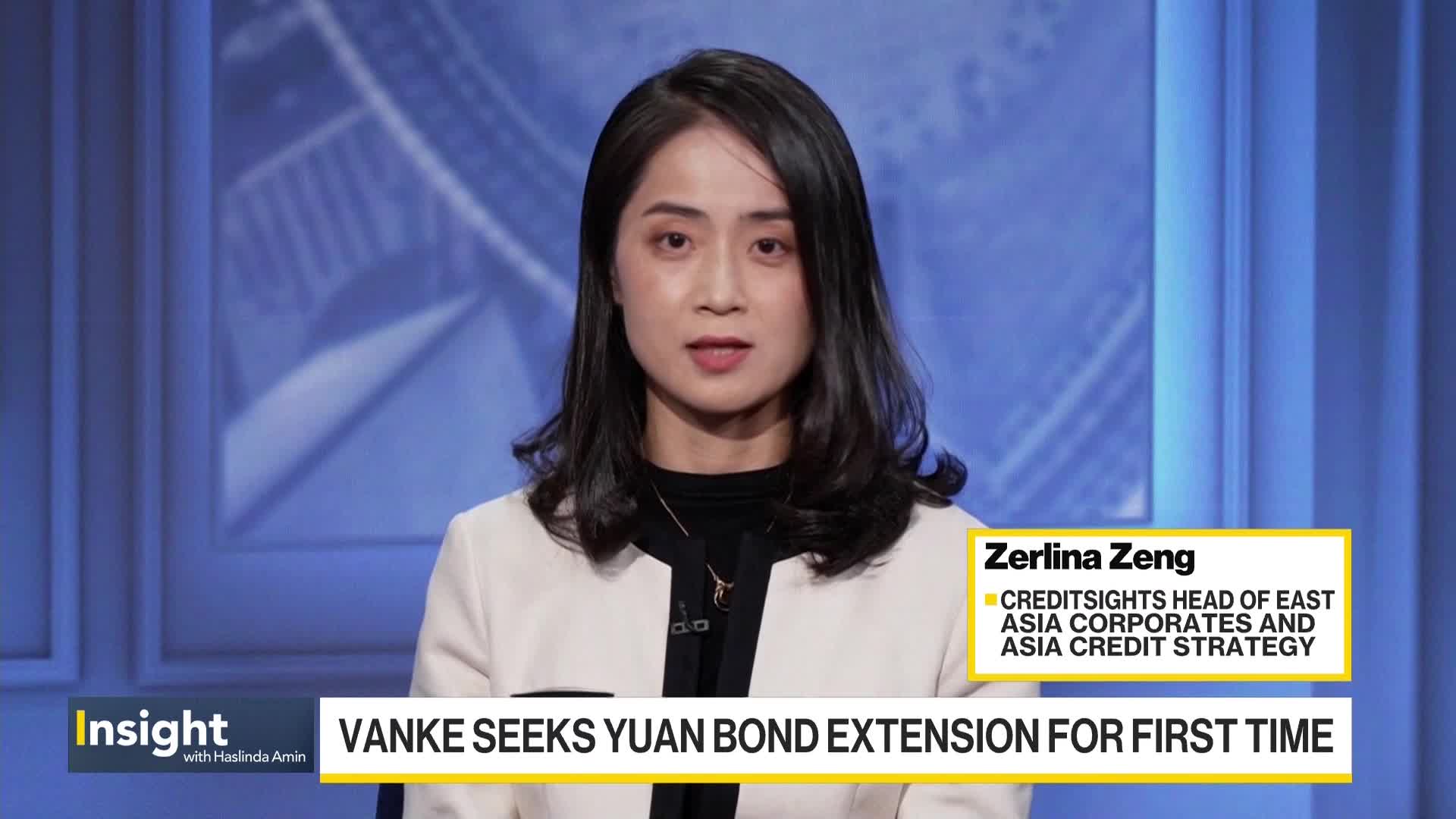
A Chinese developer delayed onshore bond payments earlier than analysts expected, prompting concerns about an earlier-than-anticipated debt restructuring; the company had previously said it had funding through year-end. Analysts judge the standalone credit of such developers as weak, but expect limited systemic contagion because China high-yield property now constitutes <5% of index weight (versus >50% in 2021) and holders are more trading-focused; policymakers are unlikely to mount a nationwide bailout, though local, incremental measures to finish incomplete projects may continue. Separately, New World’s exchange offer—backstopped by the family pledging Victoria Dockside—was viewed as constructive for bondholders, with a fair-value estimate for new dollar bonds around $0.85 but trading above $0.90, reflecting fast-money positioning and hopes for further equity injections.
Market structure: The episode reinforces a bifurcated China credit market — winners are state-backed developers, construction contractors and buyers of completed units (lower counterparty risk); losers are private developers, unsecured bondholders and retail/private-bank credit products. With China high-yield property now <5% of major credit indices (vs >50% in 2021) and a trading base dominated by fast-money, expect episodic technical rallies but persistent spread dispersion; inventory overhang implies continued downward pressure on prices and volumes, particularly in lower-tier cities.
Risk assessment: Tail risks include a cluster of developer defaults that forces local-government funding shortfalls (stress on municipal budgets and shadow-bank exposures) or a >5% CNY depreciation in 3–6 months that tightens dollar-funded borrowers. Immediate (days–weeks): spread and bond-volatility spikes; short-term (months): continued price/sales deterioration and selective local fiscal patching; long-term (12–24 months): sector consolidation toward SOEs and fewer private developers. Hidden dependencies: land-sale receipts, WMP exposure in local banks and repo market liquidity; catalysts to watch are targeted delivery-funding packages, large family-equity injections, or abrupt policy loosening.
Trade implications: Primary trades are credit-protection buys on non-state developers and relative shorts of private vs state developers, plus sector rotation into high-end manufacturing and SOE-linked industrials. Options volatility on HK developer names should remain elevated; use put spreads to limit premium outlay and buy protection when 5y CDS widens >200–300bp. Bond technicals can produce >5–10% short-term rallies (e.g., New World bonds trading >$0.90 vs fair value ~$0.85) — exploit with tactical long/short positions.
Contrarian angles: Consensus underrates targeted project-delivery funding versus developer bailouts — the government will likely fund completions, not equity recapitalizations, which benefits contractors and completion-financing vehicles but not junior creditors. Some dollar bonds are technically rich after collateral pledges (Victoria Dockside) and may be short-lived rallies; historical parallel is 2021 Evergrande (systemic fear) but current market share and investor base make contagion less likely, creating dispersion opportunities across single-name credits.
AI-powered research, real-time alerts, and portfolio analytics for institutional investors.
Request DemoOverall Sentiment
moderately negative
Sentiment Score
-0.35
