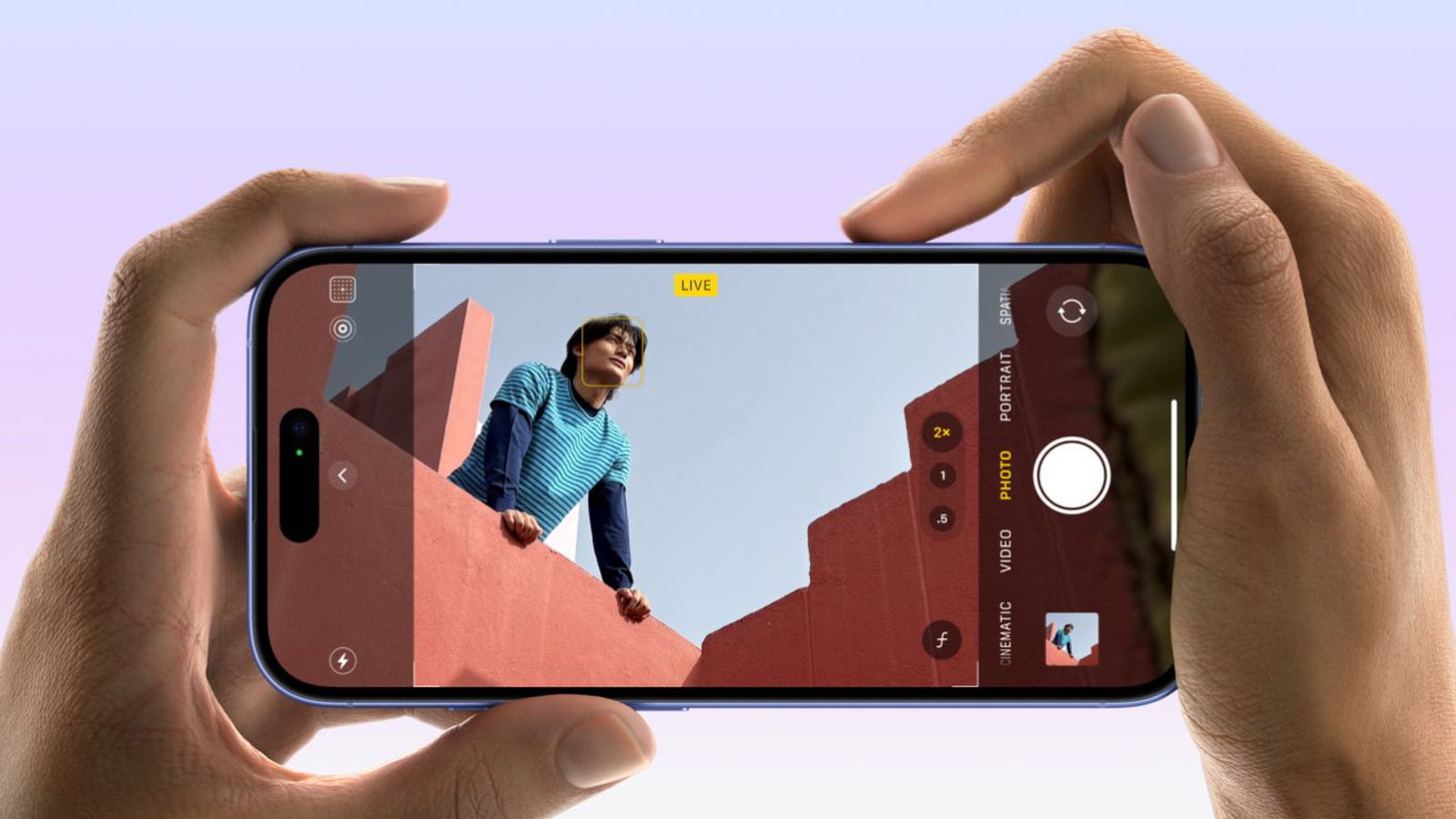
Apple plans to simplify the Camera Control on the standard iPhone 18 by removing touch sensitivity and haptic feedback—likely eliminating the capacitive layer so the control is pressure‑sensitive only—reducing accidental swipes and lowering component costs. The report notes Apple has already added software mitigations in iOS 18.2 and that iPhone 18 Pro models (expected next September) will feature under‑screen Face ID and a relocated front camera, while the regular iPhone 18 may be delayed until spring 2027; these are product and timing updates with modest margin and demand implications but limited immediate market impact.
Market structure: Apple (AAPL) is the primary winner — simplifying the Camera Control and removing capacitive layers likely trims BOM/capex per unit (estimated $1–5/unit industry-standard for small sensor/PCB simplifications) and marginally improves gross margins if scaled across ~200–250M device installs over 12–18 months. Suppliers of complex capacitive/haptic modules lose across revenue and margin share; under‑screen Face ID on Pro models benefits niche sensor suppliers and packaging specialists. Staggered launch (Pro Sep 2026, standard spring 2027) signals a shifted demand cadence that can lower holiday iPhone unit shipments and reallocate revenue between FY quarters.
Risk assessment: Immediate market impact is low (days), short-term (weeks–months) risk is supply/order volatility and guidance revisions from suppliers, long-term (quarters) risk is a sustained softening of upgrade cadence if UX changes frustrate users (a 1–3% hit to iPhone unit growth would be material). Tail risks: a major supply-chain failure or a consumer backlash to perceived downgrades could cause >10% downside in AAPL shares vs consensus; regulatory scrutiny over product safety/UX changes is low probability but high impact. Hidden dependency: carrier promotions and trade-in programs amplify timing effects — a spring launch could cannibalize holiday promo pull-forward dynamics.
Trade implications: Direct play — establish a 1.5–2.5% long AAPL position sized to target 10–18% upside over 9–15 months, adding on any >5% pullback tied to rumor-driven dips. Options — sell a small amount of near-term (3–6 month) implied vol by writing Sep 2026 covered calls while buying Jan 2028 call spreads (buy Jan28 5–10% OTM calls, sell Jan28 15–20% OTM) to express convexity around product cycle for a net-debit <2% of position. Pair trade — long AAPL vs short a diversified component supplier ETF (SMH) or specific capacitive/haptic supplier names (size 0.5–1% of portfolio) for 3–12 months to capture margin shift.
Contrarian angles: Consensus treats this as a minor UX tweak; risk is underappreciated revenue timing shifts — a spring delay of the standard model could reduce holiday iPhone revenue by ~2–4% of Apple’s quarterly top line, pressuring beat/beat cycles. Market may also underprice supplier downside and overprice incremental margin benefits; historically (e.g., staggered iPhone launches) Apple shares have lagged by 5–12% into the actual launch quarter before recovering. Unintended consequence: simpler hardware could compress aftermarket accessory/repair revenues and reduce third‑party service demand, subtly lowering services attachment over 12–24 months.
AI-powered research, real-time alerts, and portfolio analytics for institutional investors.
Request DemoOverall Sentiment
neutral
Sentiment Score
0.15
Ticker Sentiment
