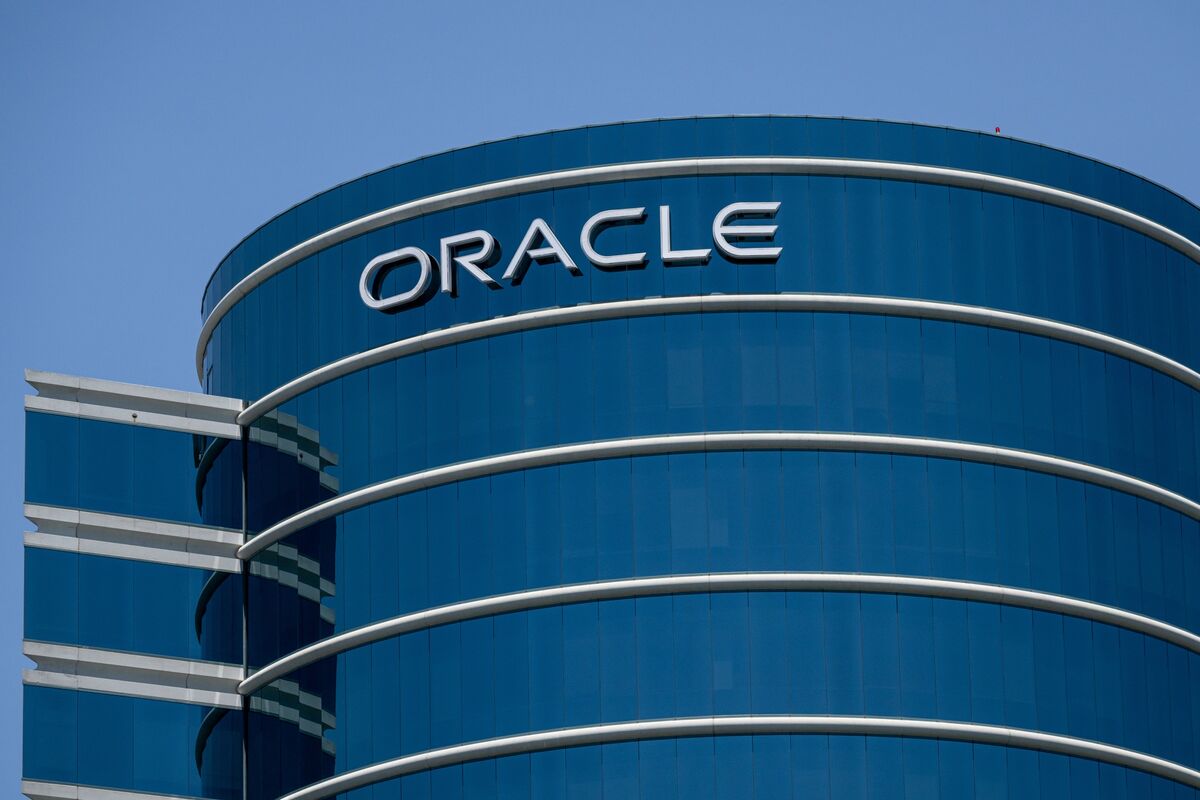
Morgan Stanley credit analysts warn Oracle faces rising investor anxiety tied to a large AI spending program, a potential funding gap, a swelling balance sheet and obsolescence risk that could worsen in 2026. The five‑year cost to insure Oracle debt climbed to 1.25 percentage points annually on Tuesday (per ICE Data Services), reaching a three‑year high, signaling increased credit-market stress and heightened scrutiny from fixed‑income investors.
Market structure: Oracle’s rising 5‑yr CDS (1.25pp today) signals credit-risk repricing that benefits cloud leaders (MSFT, AMZN, GOOG) and AI infrastructure suppliers (NVDA, AVGO) as customers and capital migrate to perceived lower‑risk platforms. Oracle equity and senior bonds will face funding pressure and higher cost of capital, compressing pricing power for large on‑premise deals; expect database migration deals to accelerate over 6–24 months, pressuring legacy licence revenues by mid‑2026.
Risk assessment: Tail risks include a single‑notch rating downgrade or a mis-sized AI capex program that forces asset sales or debt raises — each could add 100–200bps to CDS and push bond yields materially wider within 3–12 months. Immediate risk (days–weeks) is volatility around earnings/capital plan announcements; medium term (3–9 months) is refinancing and covenant stress; long term (2–4 years) is market share erosion if cloud migration accelerates.
Trade implications: Tactical credit hedges and relative‑value equity shorts look attractive: buy protection (CDS or puts) ahead of expected guidance updates; pair short ORCL vs long MSFT/AMZN cloud exposure to capture relative downside over 3–9 months. Options: 3–6 month put‑spreads on ORCL to limit premium; consider buying senior bonds only if spread > Treasury+200bps with tight stop.
Contrarian angles: Consensus underestimates Oracle’s recurring revenue and cash flow cushion — downside may be capped absent a rating cut; if CDS overshoots >200bps or equity falls >15% in 3 months, selective long positions in senior unsecured bonds or structured buy‑writes could capture rich yield. Historical parallel: punished legacy tech (e.g., IBM) that rebounded after restructuring — monitor catalyst windows (earnings, rating reviews) to time mean‑reversion plays.
AI-powered research, real-time alerts, and portfolio analytics for institutional investors.
Request DemoOverall Sentiment
moderately negative
Sentiment Score
-0.60
Ticker Sentiment
