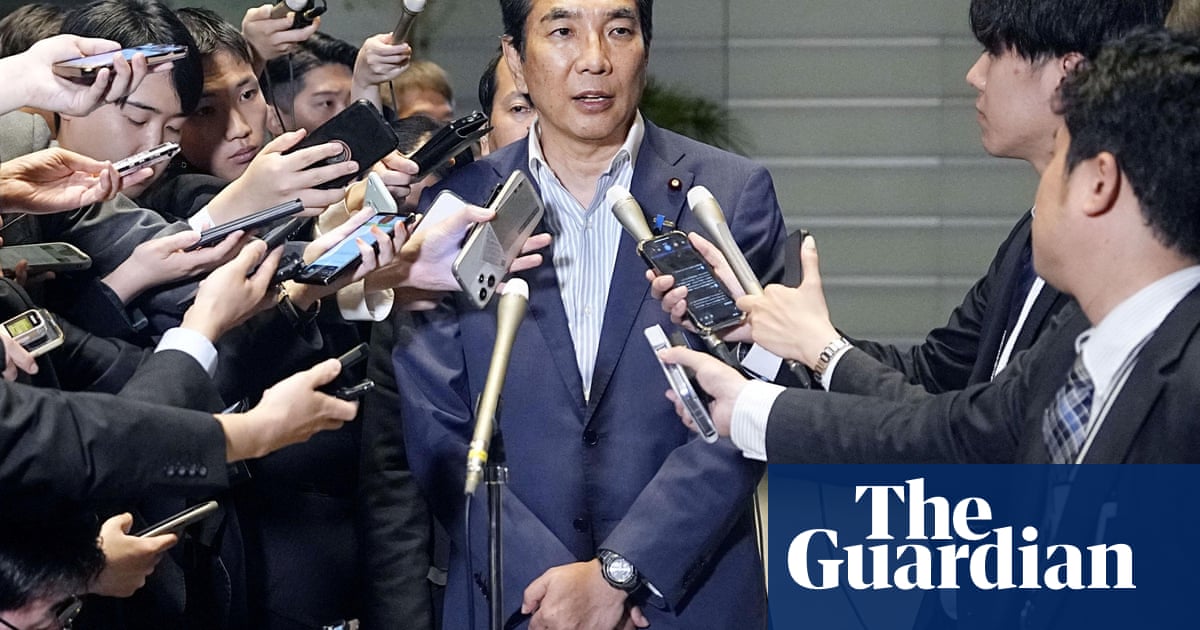
Japanese Agriculture Minister Taku Etō resigned after public backlash over his remark that he never buys rice due to receiving it as gifts, exacerbating Prime Minister Shigeru Ishiba's challenges amid soaring rice prices. Rice prices have doubled year-over-year, reaching ¥4,268 for 5kg, driven by poor harvests and speculative hoarding, leading to widespread voter dissatisfaction and impacting Ishiba's approval ratings ahead of upper house elections. Shinjirō Koizumi will reportedly replace Etō as the government attempts to address the cost of living crisis.
The resignation of Japan's Agriculture Minister, Taku Etō, following insensitive public remarks regarding his personal rice consumption, underscores the severe political and economic pressures stemming from a critical rice shortage and soaring food prices. Rice prices have nearly doubled year-over-year, with a 5kg bag reaching a record ¥4,268 in mid-May, primarily driven by poor harvests linked to hot weather in 2023, panic-buying spurred by a "megaquake" warning in 2024, and suspected hoarding by wholesalers and distributors. This escalating crisis has significantly eroded public trust in Prime Minister Shigeru Ishiba's government, evidenced by 87% of respondents in a Kyodo survey expressing dissatisfaction with the official handling of rice prices and cabinet approval ratings sinking to their lowest since October. Despite government interventions, such as releasing approximately 300,000 tons of rice from emergency stockpiles and, notably, importing rice from South Korea for the first time in twenty-five years, consumer hardship persists. The minister's gaffe and subsequent departure highlight significant governance challenges and amplify political instability ahead of crucial upper house elections in July, which could prove decisive for Ishiba's premiership.
AI-powered research, real-time alerts, and portfolio analytics for institutional investors.
Overall Sentiment
Negative
Sentiment Score
-0.60
