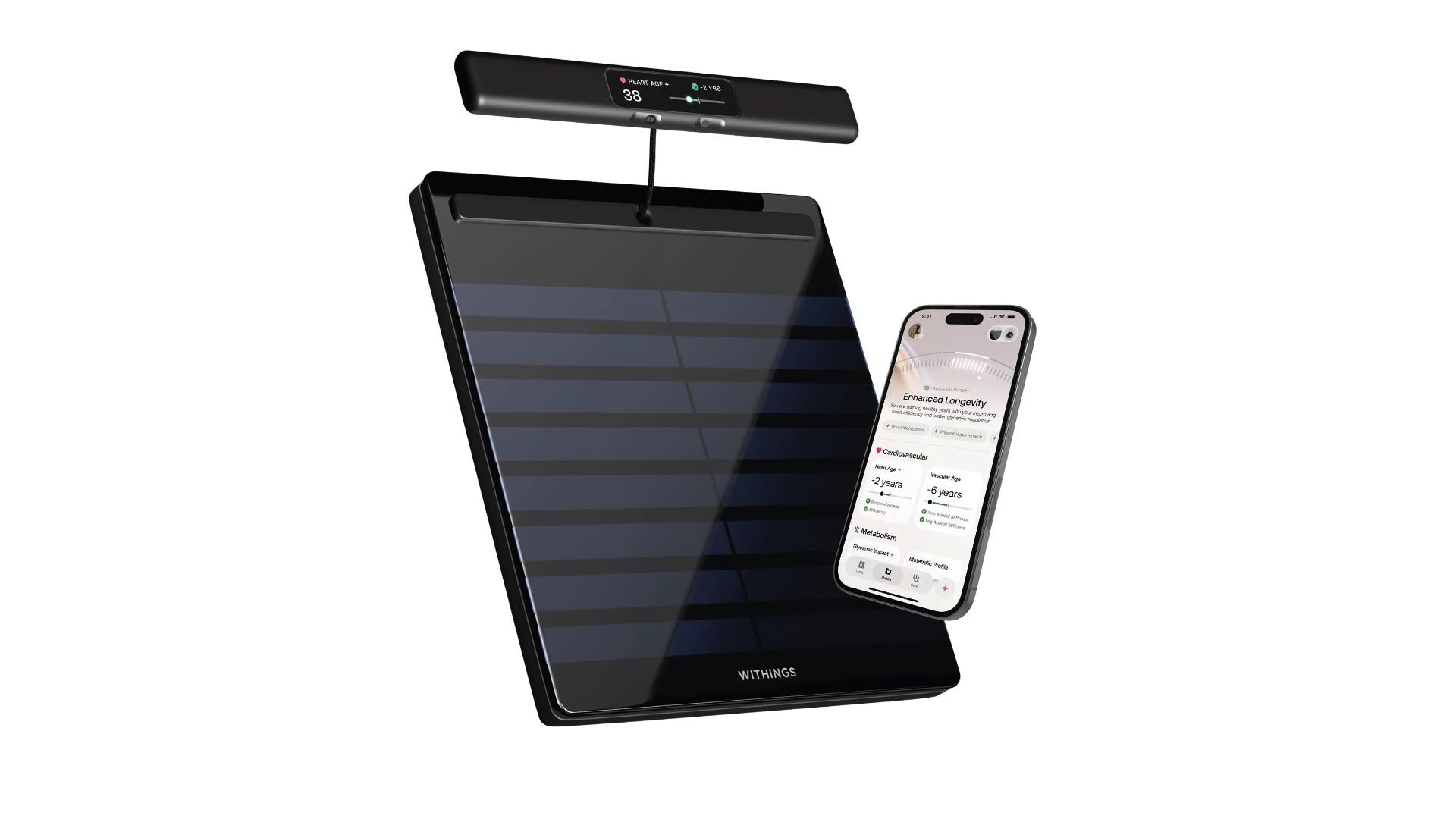
Withings unveiled the Body Scan 2 at CES 2026, a $600 consumer smart scale due in Q2 2026 that measures over 60 longitudinal biomarkers (including ICG and BIS), provides a consolidated Health Trajectory score, and adds hypertension risk and atrial fibrillation detection pending FDA clearance. The device uses a full-body electrode circuit and noninvasive techniques (including foot sweat stimulation) to track metabolic and cardiovascular indicators, is GDPR/HIPAA-compliant with encrypted data, and extends Withings’ product lineup (original Body Scan remains $399)—making FDA outcomes and adoption the primary near-term catalysts for investor interest.
Market structure: Withings’ Body Scan 2 nudges the smart-scale and clinical-at-home vertical toward higher-ticket, clinically-oriented devices. Winners are sensor semiconductor suppliers and HIPAA/cloud integrators that provide secure analytics; losers are lower-value consumer scale makers and incremental lab-testing demand for routine metabolic screening. Expect modest share shifts (low single-digit percentage points) in premium-wearable spend over 12–24 months, not a sweeping displacement of Apple/Alphabet devices.
Risk assessment: Key tail risks are FDA refusal/delay (assign ~25% probability) that would push commercial launch 6–12 months out, and a privacy/security breach (5–10% probability) that could cut adoption by 20–40% in the first year. Immediate catalyst window is the next 90–180 days around FDA clearance and CES-to-Q2 2026 retail feedback; long-term adoption depends on insurer/EMR integration over 12–36 months. Hidden dependencies include specialist sensor supply chains and clinical validation partnerships that can bottleneck growth.
Trade implications: Tactical opportunities concentrate on component suppliers (sensor/analog IC makers) and telehealth/data aggregators that can monetize longitudinal biomarkers. If FDA clearance arrives, expect a 6–12 month uptick in sensor content demand and scalable recurring-data revenues for platforms that integrate these devices; price actions should follow within 2–8 weeks post-announcement. Options can be used to asymmetrically express conviction around the clearance event while limiting downside.
Contrarian angles: The market will likely underprice regulatory and privacy risk; a rapid consumer adoption narrative is overdone without insurer reimbursement or clinician acceptance. Historical parallels (early home-diagnostics hype cycles) show steep initial enthusiasm followed by consolidation; that argues for measured, event-driven exposure rather than large, buy-and-hold bets.
AI-powered research, real-time alerts, and portfolio analytics for institutional investors.
Request DemoOverall Sentiment
moderately positive
Sentiment Score
0.35
